Classical vs Modern Tragedy: Essential Differences Explained
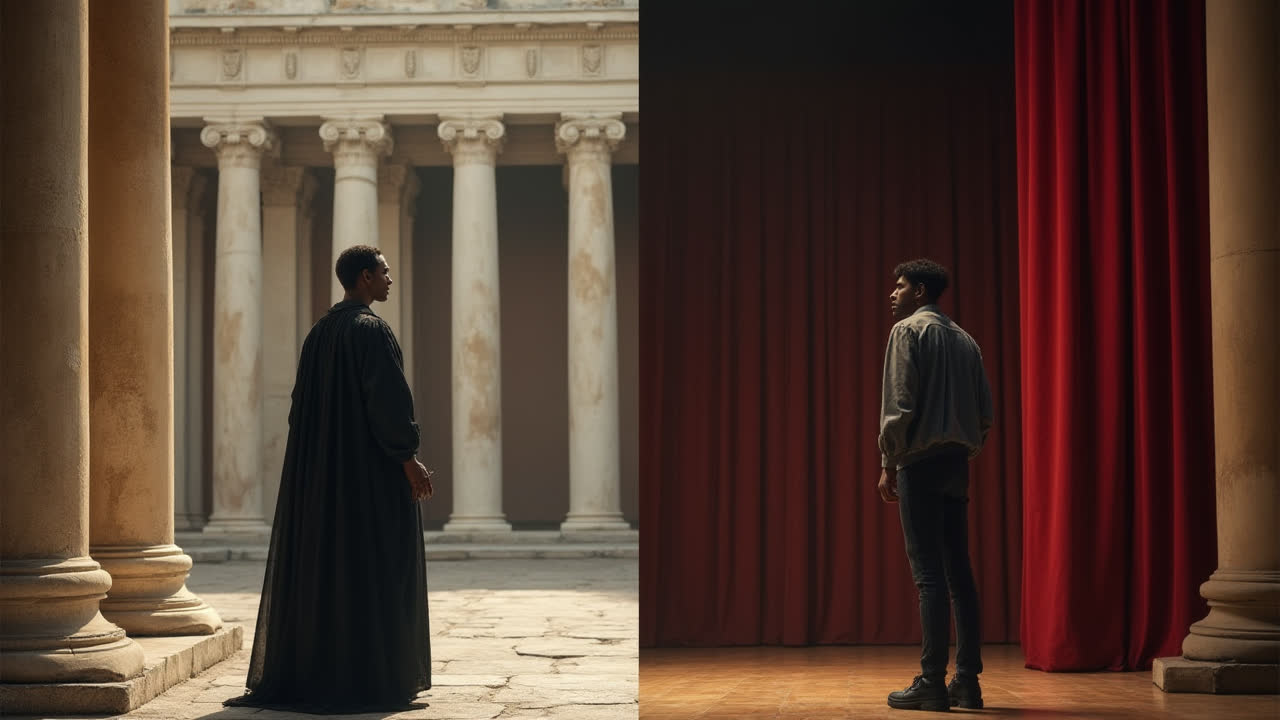
The dramatic form of tragedy has captivated audiences for centuries, evoking powerful emotions through tales of human suffering and downfall. While both classical and modern tragedies share the common thread of a somber ending, they differ significantly in structure, characterization, and thematic focus. This comprehensive guide explores these dramatic forms, highlighting their unique characteristics and evolution through time.
Whether you're a literature student, theater enthusiast, or simply curious about dramatic forms, understanding the distinction between these two types of tragedy offers valuable insight into how storytelling has evolved to reflect changing cultural values and artistic sensibilities. Let's dive into what makes each form unique and how they've shaped dramatic literature.
Understanding Classical Tragedy
Classical tragedy represents one of the oldest and most influential dramatic forms in Western literature. Originating in ancient Greece, these plays established foundational elements that would influence theater for millennia. But what exactly defines a classical tragedy?
According to Aristotle's Poetics, classical tragedy is characterized by its unified structure covering a single time span, setting, and storyline. The plot revolves around one complete, significant action that unfolds in a logical sequence. This unity was considered essential to tragedy's power and impact on its audience.
The protagonists in classical tragedies typically come from noble or royal backgrounds. Characters like Oedipus, Antigone, and Medea possess exceptional qualities that set them apart from ordinary people. Their elevated status makes their eventual downfall all the more dramatic and significant, as it often affects entire kingdoms or societies rather than just individuals.
One of the most distinctive features of classical tragedy is the concept of the tragic flaw or hamartia. Despite their nobility and greatness, protagonists possess a fundamental error in judgment or character that ultimately leads to their undoing. This creates a complex character who is neither wholly good nor evil but humanly flawed in a specific way that drives the tragic action.
Divine intervention and fate play crucial roles in classical tragedies. The protagonists often struggle against predetermined destinies, with gods frequently manipulating events behind the scenes. This cosmic dimension adds weight to the human struggle portrayed and connects the drama to larger questions about existence and human limitations.
Key Elements of Classical Tragedy
- Hamartia - A fatal error or mistake made in ignorance by an otherwise virtuous character
- Hubris - Excessive pride or self-confidence that leads to a character's downfall
- Peripeteia - A sudden reversal of fortune, typically from good to bad
- Anagnorisis - The moment of critical discovery or recognition
- Catharsis - The emotional purification or purgation experienced by the audience
Famous examples of classical tragedies include Sophocles' "Oedipus Rex," Euripides' "Medea," and Shakespeare's "Hamlet" and "Romeo and Juliet." Though Shakespeare wrote centuries after the Greek tragedians, his tragic works largely adhere to classical principles while introducing innovations of their own.
Exploring Modern Tragedy
Modern tragedy emerged in the twentieth century as playwrights sought to reinvent the dramatic form to reflect contemporary society and its concerns. Unlike their classical counterparts, these tragedies center on ordinary people facing realistic, everyday problems. This shift democratized tragedy, suggesting that the suffering of common individuals could be just as profound and worthy of dramatic treatment as that of kings and heroes.
Arthur Miller, one of the most influential modern tragedists, argued in his essay "Tragedy and the Common Man" that tragedy isn't about nobility of rank but rather nobility of spirit. His plays like "Death of a Salesman" demonstrate how modern tragedy found its power in portraying the struggles of everyday people against social and economic forces beyond their control.
Modern tragedies frequently feature multiple plotlines and central characters, abandoning the classical unity of action for a more complex narrative structure. This approach allows playwrights to explore interconnected themes and relationships, creating a richer tapestry of human experience. Time is also handled more fluidly, with scenes often jumping between past and present through techniques like flashbacks and flash-forwards.
While classical tragedies emphasized fate and divine intervention, modern tragedies typically locate conflict in psychological flaws, societal pressures, or systemic injustices. Characters aren't struggling against gods or cosmic destiny but against more mundane yet equally powerful forces: capitalism, family dynamics, social expectations, or their own psychological limitations.
Irony and social criticism feature prominently in modern tragedies, which often serve as vehicles for commentary on contemporary issues. Playwrights like Arthur Miller, Tennessee Williams, and David Mamet use tragic form to examine and critique aspects of American society, from the hollow promise of the American Dream to gender roles and economic inequality.
Notable Examples of Modern Tragedy
- "Death of a Salesman" by Arthur Miller
- "A View from the Bridge" by Arthur Miller
- "A Streetcar Named Desire" by Tennessee Williams
- "Glengarry Glen Ross" by David Mamet
- "The Crucible" by Arthur Miller
Comparative Analysis: Classical vs Modern Tragedy
When examining these two dramatic forms side by side, we can identify several key areas of difference that highlight their distinct approaches to tragic storytelling. These differences reflect changing artistic sensibilities as well as broader cultural and philosophical shifts between ancient and modern times.
| Feature | Classical Tragedy | Modern Tragedy |
|---|---|---|
| Protagonist Background | Royal or noble birth | Common, middle-class background |
| Character Complexity | Noble but fatally flawed heroes | Psychologically complex, morally ambiguous characters |
| Plot Structure | Single, unified plot | Multiple plotlines and narrative threads |
| Timeline | Continuous time span, often one day | Extended time periods with flashbacks and time jumps |
| Source of Conflict | Fate, divine intervention, character flaws | Social pressures, psychological issues, systemic problems |
| Thematic Focus | Cosmic order, human limitations, hubris | Social criticism, economic forces, identity |
| Narrative Techniques | Dramatic irony, choral commentary | Stream of consciousness, symbolic settings, irony |
| Audience Response | Catharsis through pity and fear | Critical awareness, empathy, social reflection |
The Evolution of Tragic Heroes
The transformation of the tragic protagonist from classical to modern drama represents one of the most significant shifts in tragic theory. Classical heroes like Oedipus or Macbeth occupy positions of great power and influence, making their falls spectacular and consequential. Their exceptional status creates distance between them and the audience, while still allowing viewers to recognize universal human qualities.
Modern tragic heroes, by contrast, are deliberately ordinary. Willy Loman in "Death of a Salesman" isn't exceptional in any traditional sense—he's a failing salesman with modest dreams and mundane problems. Yet Miller presents his struggle as profoundly tragic, suggesting that common people's suffering deserves the same serious treatment as that of kings and warriors.
This democratization of tragedy reflects broader social changes, including the rise of middle-class consciousness and democratic values. Modern playwrights implicitly argue that everyone's life contains potential tragedy, not just those of the powerful elite. As Arthur Miller wrote, "I believe that the common man is as apt a subject for tragedy in its highest sense as kings were."
The psychology of tragic characters has also evolved. While classical heroes typically have a clearly defined hamartia or tragic flaw, modern characters possess more complex, ambiguous motivations. Their tragedies often stem not from a single mistake but from a web of psychological issues, social pressures, and circumstances beyond their control.
Despite these differences, both classical and modern tragic heroes share a fundamental quality: they struggle against forces that ultimately overwhelm them, revealing something profound about the human condition in the process. Whether battling fate or social systems, these characters' defeats illuminate human limitations and resilience.
Cultural Context and Thematic Differences
The distinct approaches of classical and modern tragedy reflect the cultural contexts in which they developed. Classical tragedy emerged in ancient Athens during the 5th century BCE, a society deeply concerned with questions of fate, divine justice, and proper human behavior within a cosmic order. These plays often explored how human hubris disrupted natural hierarchies, resulting in chaos and suffering.
By contrast, modern tragedy developed in a post-industrial, increasingly secular world grappling with economic inequality, psychological complexity, and social change. The absence of gods and fate in these plays isn't merely a stylistic choice but reflects a fundamentally different worldview—one where human problems have human causes and potentially human solutions.
Classical tragedies frequently emphasize the tension between individual desire and social or cosmic order. Characters like Antigone or Oedipus assert their will against established boundaries, with catastrophic results that reaffirm the importance of knowing one's place in a larger scheme. The audience experiences catharsis as they witness the restoration of order, albeit through suffering.
Modern tragedies, however, often question the very social structures they portray. When Willy Loman fails in "Death of a Salesman," we're invited to criticize the American Dream itself, not just Willy's pursuit of it. These plays function as social critique, using individual suffering to highlight systemic problems rather than reaffirming existing orders.
The relationship between individual and society thus shifts dramatically between these forms. Classical tragedy portrays exceptional individuals who disturb the social order; modern tragedy depicts ordinary people crushed by social forces. This inversion reflects changing perspectives on power, responsibility, and justice between ancient and contemporary worlds.
Frequently Asked Questions
Why is Shakespeare considered both classical and modern in his approach to tragedy?
Shakespeare occupies a unique position as a bridge between classical and modern tragic traditions. His tragedies like "Hamlet," "Macbeth," and "King Lear" maintain classical elements such as royal protagonists, cosmic dimensions, and tragic flaws. However, he also introduces innovations that anticipate modern approaches: complex psychological portraits, ambiguous morality, and subtle social criticism. His characters possess inner lives of unprecedented depth and complexity, while still operating within a universe where order must be restored. This dual nature makes Shakespeare's tragedies enduringly relevant across different eras and theoretical frameworks.
Can a tragedy have a happy ending?
By traditional definition, tragedies culminate in the downfall or death of the protagonist, making a completely happy ending inconsistent with the form. However, modern interpretations have sometimes expanded this understanding. Some contemporary works feature what might be called "qualified tragedies" where characters experience profound loss but also achieve some form of redemption or insight. Arthur Miller's "The Crucible," for instance, ends with John Proctor's execution but also his moral victory and reclamation of personal dignity. While not "happy" in a conventional sense, such endings offer complex emotional resolutions that blend tragic loss with other, more affirming elements.
How do film and television adapt tragic elements for contemporary audiences?
Modern visual media have developed distinctive approaches to tragedy that draw from both classical and modern theatrical traditions while adding unique cinematic elements. Films like "There Will Be Blood" or "Manchester by the Sea" employ modern tragedy's focus on ordinary people and psychological complexity, while series like "Breaking Bad" or "The Wire" use extended narratives to develop tragic arcs over many episodes. These works often blend tragic elements with other genres—crime drama, family saga, or even comedy—creating hybrid forms that resonate with contemporary audiences. Visual storytelling techniques, including close-ups, montage, and non-linear editing, provide new ways to convey interior struggles and social contexts that were previously expressed through soliloquies or chorus commentary in theatrical traditions.
Conclusion: The Enduring Power of Tragedy
Despite their significant differences, both classical and modern tragedies continue to move audiences through their exploration of human suffering and resilience. The evolution from royal protagonists battling fate to ordinary people struggling against social forces represents not a rejection of tragic form but its adaptation to changing cultural contexts and concerns.
What unites these dramatic traditions is their serious treatment of human suffering and their insistence that such suffering holds meaning. Whether through Aristotelian catharsis or Millerian social critique, tragedies invite us to witness pain and extract significance from it—to see reflected in fictional characters' struggles our own challenges and limitations.
As we've seen, classical and modern tragedies differ in structure, characterization, and thematic focus, yet both forms have produced enduring masterpieces that continue to be performed and studied worldwide. This persistence suggests that tragedy, in whatever form, addresses something fundamental about human experience—our fascination with downfall, our need to make meaning from suffering, and our recognition of shared vulnerability.
In an age of increasingly fragmented entertainment options, the continued relevance of tragic storytelling—whether in theater, film, or television—speaks to its unique power to engage our deepest emotions and moral faculties. By examining the differences between classical and modern approaches to tragedy, we gain not only literary insight but also a deeper understanding of how art reflects and shapes our understanding of what it means to be human.