Cutlery vs Flatware: Understanding the Key Differences
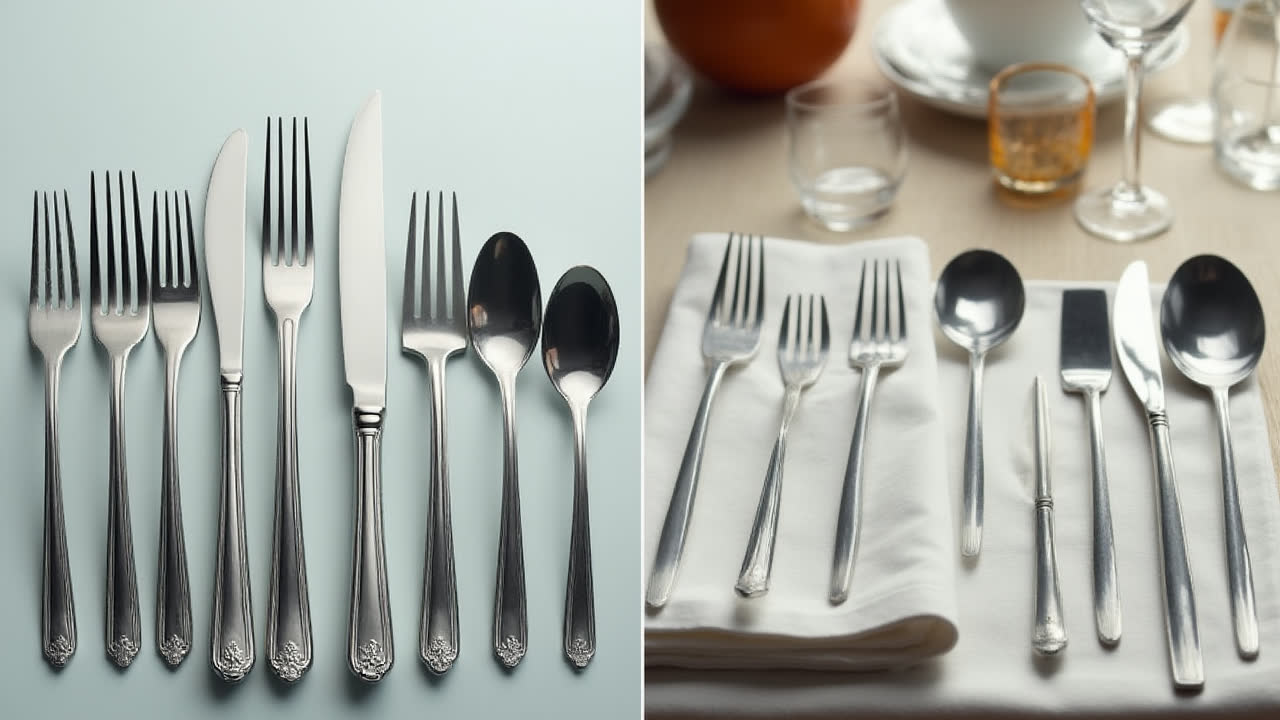
When setting the table for a dinner party or simply organizing your kitchen drawers, you might wonder about the difference between cutlery and flatware. Are they the same thing? Is one more formal than the other? Which term should you use when shopping for new dining utensils? These questions are common, and the terminology can be confusing even for culinary enthusiasts.
In everyday conversation, most people use these terms interchangeably, and that's perfectly acceptable in casual settings. However, if you're interested in the finer points of dining etiquette or simply want to expand your culinary knowledge, understanding the subtle distinctions between these terms can be both interesting and practical. Have you ever been corrected when using one term instead of the other?
This comprehensive guide explores everything you need to know about dining utensils terminology, from historical origins to practical modern-day applications. We'll examine the traditional definitions, material compositions, cultural significance, and practical uses of both cutlery and flatware. By the end, you'll have a clear understanding of when to use each term and why the distinction matters in certain contexts.
What is Cutlery?
Cutlery refers to hand-held instruments used in preparing, serving, and eating food. The word has its origins in the Latin term "culter," which means knife. Traditionally, cutlery has been associated with cutting implements, though in modern usage, it encompasses a broader range of eating utensils including knives, forks, and spoons.
The history of cutlery dates back thousands of years. Early humans used sharpened stones and bones as primitive cutting tools before the development of metalworking allowed for more sophisticated implements. By the Middle Ages, personal eating knives became common among the wealthy, while the general population typically carried their own knife for both protection and dining. Isn't it fascinating how something we take for granted today was once a luxury item?
Modern cutlery sets often include specialized pieces for different dining purposes. There are butter knives, steak knives, dessert knives, salad forks, dinner forks, soup spoons, teaspoons, and many other specialized utensils. In formal dining settings, cutlery is arranged in a specific order according to the sequence of courses, with utensils for the first course placed furthest from the plate and those for later courses positioned closer in.
Materials used in cutlery production have evolved significantly over centuries. Historically, silver alloys were preferred for fine dining utensils among the wealthy, leading to the term "silverware." Today, stainless steel is the most common material due to its durability, resistance to corrosion, and relatively low cost. Premium cutlery sets might still use silver or silver-plated materials, while more casual or disposable options may be made from plastic or wood.
In Western culinary traditions, cutlery plays a central role in the dining experience. The proper handling and placement of cutlery communicate significant social signals about one's upbringing and refinement. By contrast, many Eastern cultures traditionally use chopsticks or hands for eating, though globalization has led to increased adoption of Western-style cutlery in international settings.
What is Flatware?
Flatware is another term used to describe eating utensils, but with some subtle distinctions from cutlery. In its traditional sense, particularly in British English, flatware referred specifically to flat tableware items such as plates, platters, and saucers—essentially the dishes food is served on rather than the implements used to eat it.
However, in modern American English, flatware has evolved to become largely synonymous with eating utensils. The term emphasizes the flat, relatively thin nature of these implements compared to other kitchen tools. In the strictest traditional interpretation, flatware would include spoons and forks but exclude knives, as knives were considered cutlery proper. This distinction stems from the historical development of these items as separate categories of tableware.
The terminology became further complicated with the introduction of "silverware" as another synonym, originally referring specifically to silver utensils but now used generically for all eating implements regardless of material. Regional differences in terminology persist, with "flatware" being more commonly used in American English while "cutlery" remains the preferred term in British English.
From a practical standpoint, modern flatware sets typically include forks, spoons, and knives despite the historical distinction. When you purchase a "flatware set" today, you'll receive all the necessary eating utensils for a complete table setting. The term has effectively broadened to encompass all dining utensils, though some purists and etiquette experts might still maintain the traditional distinction.
Design considerations for flatware often focus on the weight, balance, and aesthetic qualities of the pieces. Higher-quality flatware tends to have substantial weight and balanced proportions, creating a satisfying feel in the hand. Artisanal flatware may feature decorative handles or unique finishes that complement specific dining aesthetics, from minimalist modern designs to ornate traditional patterns.
Key Differences Between Cutlery and Flatware
While many people use the terms interchangeably in casual conversation, understanding the traditional distinctions between cutlery and flatware can be valuable for those interested in proper table setting, dining etiquette, or culinary terminology. The primary differences stem from historical usage and regional language preferences rather than strict functional categories.
| Comparison Point | Cutlery | Flatware |
|---|---|---|
| Traditional Definition | Originally referred specifically to cutting implements, especially knives | Traditionally referred to flat tableware like plates and saucers in British English |
| Modern Usage | All eating utensils (knives, forks, spoons) | All eating utensils in American English; flat tableware in some British contexts |
| Etymology | From Latin "culter" meaning knife | Refers to the flat nature of the items |
| Regional Preference | More commonly used in British English | More commonly used in American English |
| Traditional Inclusion | Focused on knives and cutting implements | Traditionally excluded knives, focusing on spoons and forks |
| Commercial Packaging | Often labeled as "cutlery set" in the UK and Commonwealth countries | Typically labeled as "flatware set" in the US |
| Restaurant Industry Usage | More commonly used in fine dining establishments | More commonly used in casual dining contexts in the US |
| Cultural Context | Associated with formal dining and etiquette | Often associated with everyday dining in American contexts |
In practical terms, the distinction between these terms has blurred considerably in contemporary usage. When shopping for dining utensils, you'll find that manufacturers and retailers use both terms to describe essentially the same products. The choice of terminology often reflects regional language preferences or marketing decisions rather than substantive differences in the products themselves.
Materials and Manufacturing
Both cutlery and flatware are produced using similar materials and manufacturing processes, regardless of which term is applied. The most common materials include:
- Stainless Steel: The most popular material for everyday dining utensils due to its durability, resistance to corrosion, ease of cleaning, and relatively low cost. Quality varies based on the specific alloy used, with 18/10 stainless steel (18% chromium, 10% nickel) generally considered premium quality.
- Sterling Silver: Traditionally used for fine dining and formal occasions. Sterling silver utensils contain 92.5% silver alloyed with copper or other metals for durability. These require special care and polishing to maintain their luster but are prized for their elegant appearance and cultural significance.
- Silver-plated: A more affordable alternative to solid sterling silver, featuring a base metal coated with a layer of silver. The durability depends on the thickness of the silver plating.
- Gold-plated: Used for luxury dining experiences and special occasions, these feature a thin layer of gold over a base metal or silver.
- Plastic: Common for disposable utensils and casual dining. Modern biodegradable options address environmental concerns associated with single-use plastics.
- Wood: Used for both disposable options and decorative serving utensils. Bamboo has become popular as a sustainable alternative to traditional woods.
- Edible Options: An innovative and eco-friendly development featuring utensils made from grains, rice flour, or other edible materials that can be consumed or composted after use.
The manufacturing process for metal cutlery or flatware typically involves stamping or forging. Stamped utensils are cut from sheets of metal and then shaped and polished, while forged utensils are heated and hammered into shape, resulting in a heavier, more balanced piece. Forged pieces are generally considered superior in quality and durability, with a correspondingly higher price point.
Modern manufacturing has introduced innovations in design and functionality. For example, ergonomic handles improve comfort and usability, while specialized coatings can enhance durability or add non-stick properties to serving utensils. Advances in metalworking have also allowed for more intricate patterns and designs that were previously achievable only with extensive handcrafting.
Cultural Significance and Table Setting
The arrangement of cutlery or flatware at the table varies significantly across cultures and dining contexts. In formal Western dining settings, utensils are placed in a specific order that corresponds to the sequence of courses, working from the outside in. This convention developed during the 18th and 19th centuries as elaborate multi-course meals became fashionable among the European aristocracy.
A typical formal Western table setting might include multiple forks on the left (salad fork, dinner fork, dessert fork), multiple knives and spoons on the right (soup spoon, teaspoon, dinner knife, butter knife), and possibly additional utensils above the plate for dessert. The precise arrangement communicates important information to diners about the forthcoming meal and establishes expectations for the dining experience.
In contrast, many Asian cultures traditionally use chopsticks rather than Western-style cutlery or flatware. Japanese formal dining might include specialized chopsticks for serving versus eating, while Korean meals often include a spoon for rice and soups alongside chopsticks for other foods. Middle Eastern and Indian traditions often emphasize eating with the right hand, with specific techniques for handling food respectfully without Western utensils.
The adoption of Western-style dining implements has spread globally through cultural exchange and colonization, though regional variations persist. In many international contexts, a hybrid approach that incorporates elements of both Western and local dining traditions has emerged. These cultural adaptations reflect the dynamic nature of dining customs and the ongoing evolution of table etiquette worldwide.
Beyond their practical function, dining utensils often serve as important status symbols and family heirlooms. Sterling silver flatware sets are frequently passed down through generations, carrying both monetary value and sentimental significance. The quality and style of cutlery or flatware presented at a meal can communicate important social signals about the host's resources, cultural affiliations, and attention to detail.
Modern Innovations and Specialized Utensils
The world of dining utensils continues to evolve with innovative designs addressing specific needs and preferences. Hybrid utensils like the spork (spoon + fork), spife (spoon + knife), and knork (knife + fork) combine functionalities for convenience, particularly in casual dining or takeout contexts. These creative combinations challenge traditional categories and blur the distinction between different types of utensils.
Specialized utensils have also proliferated to address specific dining needs. Consider the oyster fork, grapefruit spoon, cheese knife, fish knife, lobster pick, spaghetti server, or cake server—each designed with particular foods in mind. The development of these specialized tools reflects the increasing sophistication of dining experiences and the cultural importance placed on proper food presentation and consumption.
Adaptive utensils represent another important innovation, designed to assist individuals with mobility limitations, arthritis, or other physical challenges. These might feature enlarged, ergonomic handles, angled designs, or attachable components that make independent dining possible for more people. The development of these tools reflects a growing awareness of accessibility concerns in dining contexts.
Environmental considerations have also driven recent innovations in dining utensils. Reusable travel sets made from bamboo, stainless steel, or other durable materials offer an eco-friendly alternative to disposable plastic cutlery. Biodegradable options made from plant starches or other compostable materials address concerns about plastic waste while maintaining convenience for takeout and delivery contexts.
Frequently Asked Questions About Cutlery and Flatware
What should I look for when purchasing quality cutlery or flatware?
When purchasing quality cutlery or flatware, examine the weight and balance of each piece—quality utensils should feel substantial and well-balanced in your hand. For stainless steel options, look for 18/10 designation (18% chromium, 10% nickel) for maximum durability and corrosion resistance. Check that all pieces have smooth edges with consistent finishing and no visible seams or irregularities. Consider the design's compatibility with your existing tableware and your typical dining style. Finally, evaluate the warranty and replacement options, as quality flatware should last for many years or even generations.
How should I properly care for silver or silver-plated cutlery?
To properly care for silver or silver-plated cutlery, wash by hand using mild dish soap and soft cloth rather than abrasive sponges. Dry immediately after washing to prevent water spots and tarnishing. Store in anti-tarnish cloth or specialized flatware chests lined with tarnish-resistant material, keeping pieces separated to prevent scratching. Polish regularly with a quality silver polish, following the product directions carefully. Avoid exposing silver cutlery to foods high in sulfur (like eggs, mayonnaise, or onions) for extended periods, as these can accelerate tarnishing. For silver-plated pieces, be especially gentle to preserve the thin silver layer.
What is the correct way to set a formal table with cutlery?
For a formal table setting, place forks to the left of the plate in order of use from outside in (salad fork, then dinner fork). Position knives to the right of the plate with blades facing inward, followed by spoons to the right of knives, also arranged from outside in according to use. Dessert utensils should be placed horizontally above the plate, with the fork handle pointing left and the spoon or knife handle pointing right. Butter knives rest on the bread plate, which is positioned above the forks. Each utensil should be placed approximately one inch from the edge of the table, aligned at the bottom. Remember that the number of utensils should correspond to the courses being served—never set utensils that won't be used.
Conclusion
While the terms cutlery and flatware are often used interchangeably in modern contexts, their traditional definitions reveal subtle distinctions rooted in historical usage and regional language preferences. Cutlery originally referred specifically to cutting implements, particularly knives, while flatware traditionally described flat tableware or non-cutting utensils like spoons and forks. Today, these distinctions have largely blurred, especially in American English where "flatware" commonly encompasses all dining utensils.
Understanding these terminology differences adds depth to our appreciation of dining traditions and cultural practices surrounding food consumption. Whether you prefer the term cutlery or flatware, the essential function remains the same—these implements facilitate the enjoyable and civilized consumption of food across diverse cultural contexts.
As with many aspects of language and culture, the terminology continues to evolve in response to changing practices and global influences. What remains constant is the important role these utensils play in our daily lives and special occasions, serving both practical needs and cultural significance that extends far beyond their simple mechanical functions.