Cytokines vs Interferons: Key Differences and Functions in Immune System
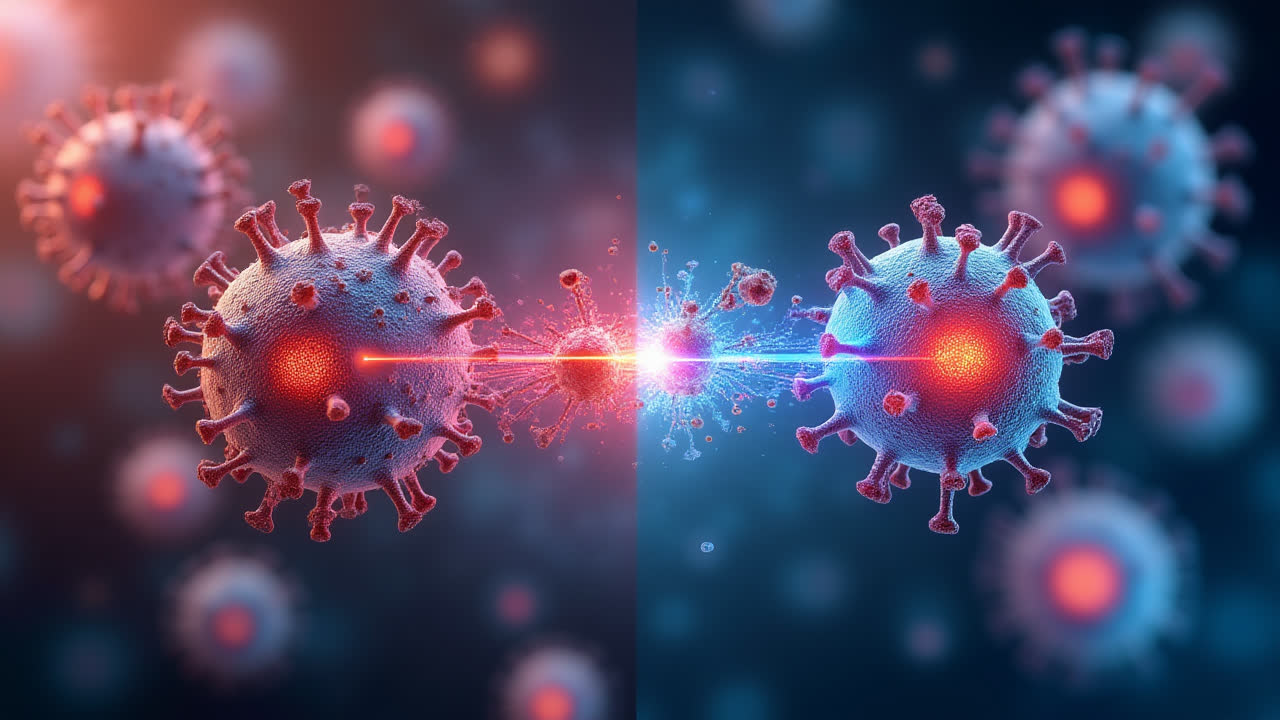
Have you ever wondered how your body coordinates its defense against infections and diseases? The immune system is an incredibly complex network that relies on various molecules for communication and coordination. Among these crucial signaling molecules, cytokines and interferons play vital roles in orchestrating immune responses. But what exactly sets them apart? This comprehensive guide explores the fascinating world of immune signaling, highlighting the key differences and relationships between these essential molecular messengers.
Understanding Cytokines: The Immune System's Messaging Network
Cytokines function as the immune system's communication network, allowing cells to "talk" to each other and coordinate responses. These small proteins act as molecular messengers that regulate the nature, intensity, and duration of immune responses by binding to specific receptors on target cells. When an immune cell detects a threat, it releases cytokines that signal other cells to join the defense.
What makes cytokines particularly interesting is their versatility. They can affect multiple cell types and trigger various responses depending on the context. For instance, some cytokines promote inflammation to contain infections, while others stimulate the production of antibodies or activate specific immune cells. This versatility allows the immune system to mount tailored responses to different threats.
The family of cytokines is quite diverse, including interleukins, chemokines, tumor necrosis factors, lymphokines, and yes, interferons. Each type has specialized functions, though there's often overlap and synergy between them. Cytokines can act in different ways: affecting the cell that produced them (autocrine action), influencing neighboring cells (paracrine action), or traveling through the bloodstream to affect distant cells (endocrine action).
One fascinating aspect of cytokines is their "pleiotropic" nature, meaning a single cytokine can have different effects on different cell types. For example, a cytokine might stimulate one type of immune cell while inhibiting another, allowing for complex regulation of immune responses. They're also extremely potent, often requiring only picomolar concentrations to exert their effects, thanks to the high affinity of cytokine receptors.
Interferons: The Specialized Antiviral Defense Squad
While cytokines encompass a broad category of signaling molecules, interferons represent a specialized subset with particularly important antiviral functions. Named for their ability to "interfere" with viral replication, interferons are produced when cells detect viral invaders. When a cell becomes infected with a virus, it produces interferons that warn neighboring cells of the viral threat, helping to establish an antiviral state in surrounding tissues.
Interferons don't directly kill viruses. Instead, they trigger the production of proteins that inhibit viral replication and enhance the body's immune defenses. This creates a hostile environment for viruses, making it difficult for them to spread and establish infection. Think of interferons as the early warning system that not only sounds the alarm but also helps neighboring cells fortify their defenses before the virus can reach them.
The interferon family includes three main types: Type I (including interferon-alpha and interferon-beta), Type II (interferon-gamma), and Type III interferons. Each type interacts with different receptors and plays slightly different roles in immune defense. Type I interferons are primarily produced by infected cells and have broad antiviral activities. Type II interferons, mainly produced by immune cells like T cells and natural killer cells, have important immunomodulatory functions. The more recently discovered Type III interferons appear to be particularly important in protecting epithelial surfaces like those in the respiratory and gastrointestinal tracts.
Besides their antiviral effects, interferons also enhance immune responses by activating macrophages and natural killer cells, increasing antigen presentation, and promoting the expression of major histocompatibility complex (MHC) molecules. These actions help the immune system recognize and eliminate infected cells more efficiently. However, interferon activity also comes with side effects – many people receiving interferon therapy for viral infections or certain cancers experience flu-like symptoms, fever, and muscle pain.
Key Differences: How Cytokines and Interferons Compare
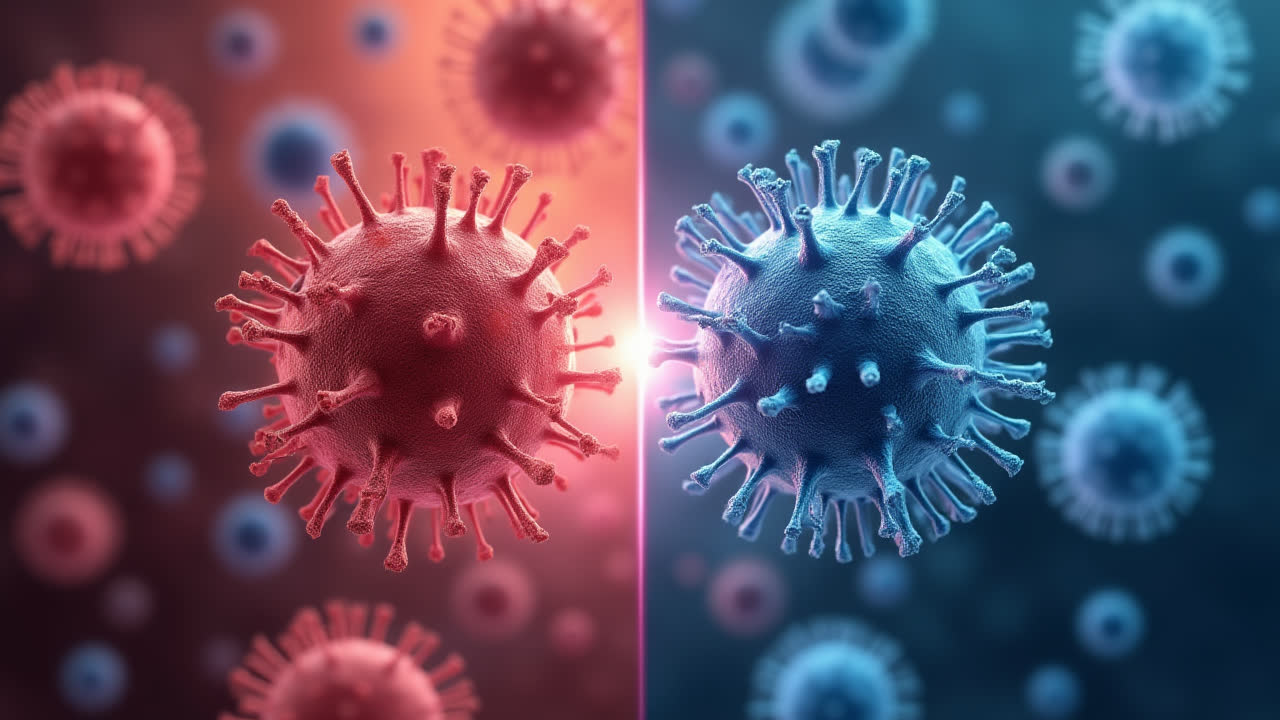
Understanding the relationship between cytokines and interferons can be a bit confusing since interferons are actually a subset of cytokines. Think of cytokines as a broad category—like "vehicles"—while interferons would be a specific type of vehicle, like "trucks." All interferons are cytokines, but not all cytokines are interferons.
The primary distinction lies in their specific functions and targets. While cytokines as a group have diverse roles throughout the body, interferons are specialized for antiviral defense. Cytokines may regulate inflammation, stimulate cell growth, direct cell migration, or modulate immune responses. Interferons, while participating in some of these functions, are primarily focused on establishing antiviral states in cells and enhancing certain immune responses against viruses.
Another important difference is in their production triggers. Various stimuli can induce different cytokines, including infections, inflammation, and tissue damage. In contrast, interferons are specifically induced by viral infections and certain other pathogens. When cells detect viral components, particularly viral nucleic acids, they activate pathways that lead to interferon production.
The cell types that produce these molecules also differ somewhat. Many different cell types can produce various cytokines, including immune cells, epithelial cells, and fibroblasts. Interferon production is more specific: Type I interferons are produced by many cell types upon viral infection, Type II interferons mainly come from immune cells like T cells and natural killer cells, and Type III interferons are predominantly produced by epithelial cells and certain immune cells.
Comparison Table: Cytokines vs. Interferons
| Characteristic | Cytokines | Interferons |
|---|---|---|
| Definition | Small proteins secreted by cells that affect the behavior of other cells | A specific type of cytokines that primarily interfere with viral replication |
| Relationship | Broad category that includes interferons, interleukins, chemokines, etc. | A specialized subset of cytokines |
| Primary Function | Cell signaling, immune regulation, inflammation control | Antiviral defense, inhibition of viral replication |
| Production Trigger | Various stimuli including pathogens, inflammation, tissue injury | Primarily viral infections, some bacterial/fungal infections |
| Types | Interferons, interleukins, chemokines, tumor necrosis factors, lymphokines | Type I (α, β), Type II (γ), Type III (λ) |
| Producing Cells | Various immune and non-immune cells depending on type | Type I: many cell types; Type II: T cells, NK cells; Type III: epithelial cells |
| Action Range | Autocrine, paracrine, or endocrine depending on type | Primarily paracrine (affecting neighboring cells) |
| Clinical Applications | Treatment of inflammatory diseases, cancer, autoimmune disorders | Treatment of viral infections (hepatitis), some cancers, multiple sclerosis |
The Biological Significance of Cytokines and Interferons
Why do these molecular messengers matter so much? The significance of cytokines and interferons extends far beyond academic interest—they're fundamentally important for health and disease. Cytokines orchestrate nearly all aspects of immune function, from the initial inflammatory response to the development of long-term immunity. Without proper cytokine signaling, the immune system would be uncoordinated and ineffective.
Interferons, as specialized antiviral cytokines, represent one of our body's first lines of defense against viral infections. They create an inhospitable environment for viruses before the adaptive immune system (with its antibodies and specialized T cells) can mobilize. This early response is crucial for containing viral spread in the critical first days of infection. Some viruses have even evolved mechanisms to block interferon responses—a testament to how effective these molecules are at stopping viral replication.
The medical significance of these molecules is substantial. Recombinant interferons are used therapeutically to treat certain viral infections like hepatitis B and C, as well as some forms of cancer and multiple sclerosis. Various cytokine-targeted therapies have revolutionized the treatment of inflammatory and autoimmune diseases like rheumatoid arthritis, psoriasis, and inflammatory bowel disease. By blocking specific cytokines or their receptors, these treatments can dampen harmful inflammation while minimizing effects on other immune functions.
However, dysregulation of cytokines and interferons can contribute to disease. "Cytokine storms"—excessive and uncontrolled release of cytokines—can cause severe systemic inflammation and tissue damage, as seen in severe cases of COVID-19 and other infectious diseases. Chronic interferon responses can contribute to autoimmune disorders like lupus, where the immune system inappropriately attacks the body's own tissues. Understanding the balance and regulation of these signaling molecules is therefore crucial for developing effective treatments for various diseases.
Frequently Asked Questions About Cytokines and Interferons
Can cytokines and interferons be used as treatments for diseases?
Yes, both cytokines and interferons have important therapeutic applications. Interferons have been used for decades to treat viral infections like hepatitis B and C, certain types of cancer (such as melanoma and leukemia), and multiple sclerosis. Other cytokines, such as interleukins, are used in cancer immunotherapy to boost immune responses against tumors. However, these treatments often come with significant side effects, including flu-like symptoms, fatigue, and depression, as they essentially activate immune responses throughout the body. More targeted approaches, like cytokine inhibitors that block specific inflammatory cytokines, are now widely used to treat autoimmune and inflammatory conditions like rheumatoid arthritis, psoriasis, and inflammatory bowel disease.
What happens when cytokine or interferon signaling goes wrong?
Dysregulation of cytokine or interferon signaling can lead to various pathological conditions. Excessive production of pro-inflammatory cytokines can cause chronic inflammation, contributing to autoimmune diseases, cardiovascular problems, and even cancer. The most dramatic example is a "cytokine storm," where uncontrolled release of cytokines leads to systemic inflammation, organ failure, and potentially death, as seen in severe cases of COVID-19 and sepsis. Conversely, deficiencies in interferon production or signaling can increase susceptibility to viral infections. Some genetic disorders affecting interferon pathways lead to severe susceptibility to otherwise mild viral illnesses. Persistent interferon signaling, particularly Type I interferons, has been linked to autoimmune diseases like systemic lupus erythematosus. Understanding these disruptions has led to the development of therapies that target specific cytokines or their receptors to restore immune balance.
How do viruses evade interferon responses?
Viruses have evolved sophisticated mechanisms to evade or suppress interferon responses, highlighting the evolutionary arms race between viruses and host immunity. Some viruses, like hepatitis C virus, can mask their genetic material to avoid detection by cellular sensors that trigger interferon production. Others, including influenza viruses, produce proteins that directly interfere with the signaling pathways leading to interferon synthesis. Many viruses target components of the interferon response pathway—for example, by degrading key signaling proteins or blocking the actions of interferon-stimulated genes. Herpesviruses can inhibit multiple steps in interferon production and response. Coronaviruses, including SARS-CoV-2, encode several proteins that antagonize interferon responses, which may contribute to their pathogenicity. These evasion strategies help viruses establish infections despite the host's interferon defenses, and understanding them can lead to better antiviral therapies that potentially restore or enhance interferon responses.
Conclusion: Understanding the Immune System's Chemical Messengers
Cytokines and interferons represent a fascinating aspect of our immune system's complexity. While interferons function as a specialized subset of cytokines focused primarily on antiviral defense, the broader cytokine family orchestrates countless immune functions through a remarkably sophisticated signaling network. This relationship—interferons as specialized members of the cytokine family—highlights how evolution has shaped our immune system to develop both generalized communication networks and specialized defense mechanisms.
The distinction between these molecular messengers is more than just an academic exercise. Understanding how cytokines and interferons function, and how they sometimes malfunction, has led to revolutionary medical treatments. From interferon therapy for viral hepatitis to cytokine-targeting biologics for autoimmune diseases, these insights have translated into real benefits for patients.
As research continues to unravel the intricate details of immune signaling, we can expect even more targeted and effective therapies that modulate specific aspects of cytokine and interferon pathways. The immune system's chemical communication network, once completely mysterious, is gradually revealing its secrets—and with each discovery comes new potential to improve human health and combat disease.