Fermenting vs Pickling: Essential Differences You Need to Know
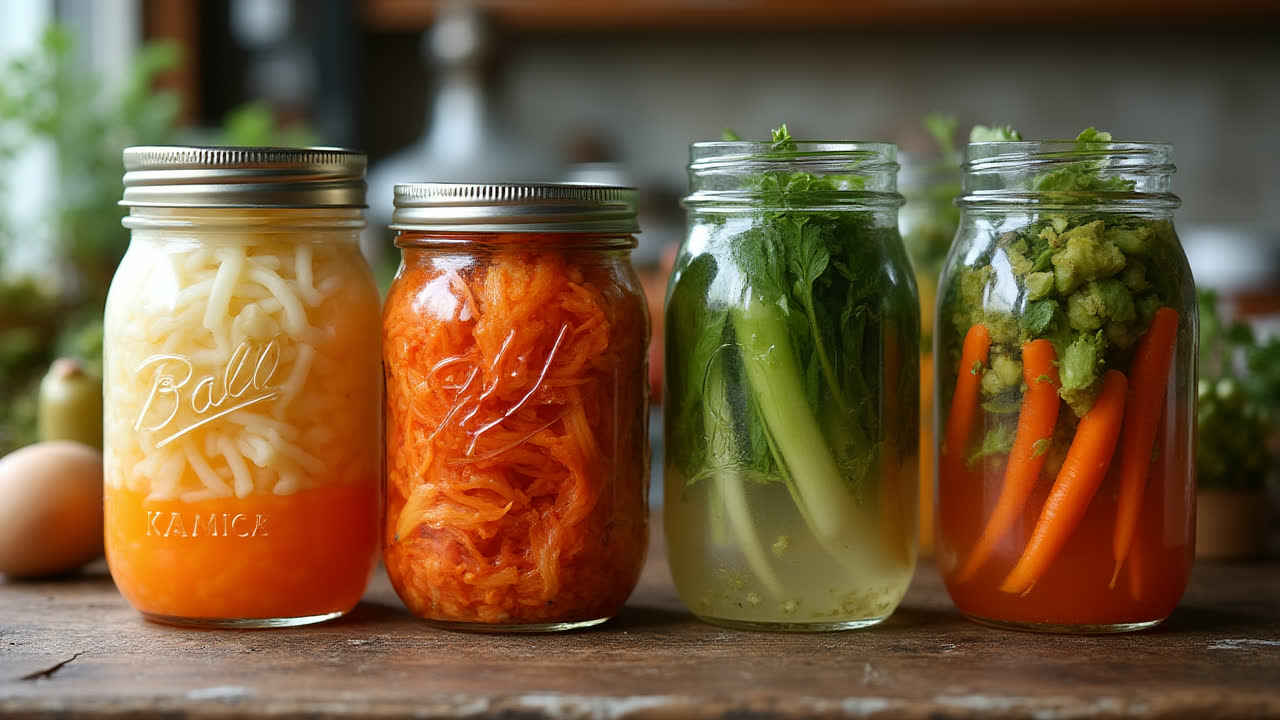
Have you ever wondered about the difference between that tangy sauerkraut and those crisp dill pickles sitting in your refrigerator? Both might seem similar at first glance, but they actually represent two distinct food preservation methods with unique characteristics and benefits. Fermenting and pickling are ancient techniques that have been used across cultures for thousands of years, yet many people still confuse these two processes.
In this comprehensive guide, we'll explore the fascinating world of fermented and pickled foods, breaking down their differences, similarities, health benefits, and practical applications. By the end, you'll not only understand what makes these preservation methods unique but also how you can incorporate them into your own kitchen adventures.
Quick Takeaway: The main difference between fermenting and pickling is that fermenting uses beneficial bacteria to preserve food naturally, while pickling typically uses vinegar or brine solutions to create an environment where food is preserved through acidity.
What is Fermenting? The Science of Beneficial Bacteria
Fermentation is a fascinating biological process where microorganisms—primarily beneficial bacteria and yeasts—transform the components of food through their metabolic activity. During fermentation, these microorganisms break down sugars and carbohydrates into other compounds like organic acids, gases, or alcohol. It's essentially a controlled decomposition process that preserves food while creating unique flavors and textures.
When I first started fermenting vegetables at home, I was amazed by the simplicity of the process. You simply create the right environment for beneficial bacteria to thrive, and nature does the rest of the work. It's like having microscopic chefs working 24/7 to transform your food! The science behind it is both ancient and sophisticated at the same time.
Unlike many modern food preservation techniques, fermentation doesn't require fancy equipment or additives. The process begins when natural bacteria present on the food (or added through a starter culture) begin to multiply in an oxygen-deprived environment. As these bacteria metabolize sugars, they produce lactic acid, which creates the characteristic tangy flavor and acts as a natural preservative by lowering the pH to levels where harmful bacteria cannot survive.
Some common examples of fermented foods include:
- Sauerkraut (fermented cabbage)
- Kimchi (Korean fermented vegetables)
- Kombucha (fermented tea)
- Yogurt (fermented milk)
- Sourdough bread (fermented dough)
- Miso (fermented soybeans)
- Traditional fermented pickles (yes, some pickles are fermented!)
The fermentation process not only preserves food but enhances its nutritional profile. Many fermented foods are rich in probiotics—live beneficial bacteria that support gut health. Additionally, fermentation can increase the bioavailability of nutrients, making them easier for our bodies to absorb. Some studies even suggest that fermentation can reduce anti-nutrients in foods, enhance vitamin content, and create unique bioactive compounds with health benefits.
What is Pickling? Preservation Through Acidity
Pickling is a food preservation method that involves submerging foods in an acidic solution—typically vinegar or brine (saltwater)—to prevent spoilage. Unlike fermentation, traditional pickling is more about creating an environment where harmful bacteria cannot grow rather than encouraging beneficial bacteria to flourish.
I remember my grandmother's picking day each summer when the cucumber harvest came in. The kitchen would be filled with the pungent aroma of hot vinegar, and jars would line the countertop waiting to be filled. There was something magical about watching those fresh green cucumbers transform into the crunchy, tangy pickles that would last us through winter.
The pickling process typically involves heating the pickling solution, which serves two important purposes. First, it helps infuse the flavors of any added spices or herbs more quickly. Second, the heat kills existing microorganisms that might cause spoilage. This is a key difference from fermentation, which relies on living microorganisms to preserve the food.
There are generally two main approaches to pickling:
- Vinegar pickling (quick pickling) - Uses vinegar as the primary acidic medium
- Brine pickling (salt pickling) - Uses a salt solution, which can sometimes lead to fermentation
This is where some of the confusion between pickling and fermenting arises—some pickling methods can involve fermentation! For instance, traditional dill pickles made with a salt brine rather than vinegar actually undergo fermentation. The salt creates an environment where only salt-tolerant lactobacillus bacteria can survive, leading to lactic acid fermentation.
Common pickled foods include cucumbers (dill pickles), onions, beets, peppers, eggs, and various fruits. These foods typically have a sharp, acidic flavor profile that comes from the vinegar or from acids produced during fermentation. The texture is often crisp and the taste can range from sweet to sour depending on the ingredients used in the pickling solution.
Key Differences: Fermenting vs. Pickling Compared
| Comparison Point | Fermenting | Pickling |
|---|---|---|
| Preservation Agent | Beneficial bacteria producing lactic acid | External acid (vinegar) or salt brine |
| Process Type | Biological (microorganisms actively transform food) | Chemical (acid prevents bacterial growth) |
| Heat Required | No (heat would kill beneficial bacteria) | Often yes (especially for vinegar pickling) |
| Probiotic Content | High (contains live beneficial bacteria) | Low/None in vinegar pickling (heat kills bacteria) |
| Preparation Time | Days to weeks (bacterial action takes time) | Can be as quick as a few hours (for quick pickling) |
| Flavor Development | Complex, evolving flavors that develop over time | More consistent, immediate flavor infusion |
| Shelf Stability | Good (fermentation continues slowly even when refrigerated) | Excellent (especially with proper canning techniques) |
| Examples | Sauerkraut, kimchi, kombucha, yogurt | Vinegar pickles, pickled beets, pickled eggs |
Health Benefits Comparison
Both fermented and pickled foods offer certain health benefits, though they differ significantly in their impact on our well-being. Understanding these differences can help you make informed choices about which preservation methods might best support your health goals.
Fermented Foods: Probiotic Powerhouses
Fermented foods have gained considerable attention in recent years due to their potential health benefits, particularly related to gut health. When I incorporated daily servings of sauerkraut into my diet last year, I noticed improvements in my digestion within just a few weeks. Of course, everyone's experience is different, but there's growing scientific evidence supporting the benefits of fermented foods.
The primary health advantage of fermented foods is their probiotic content. These live beneficial bacteria can help balance the gut microbiome—the complex ecosystem of microorganisms in our digestive tract. A healthy gut microbiome has been linked to improved digestion, enhanced immune function, and may even influence mental health through the gut-brain axis.
Additionally, fermentation can enhance the nutritional profile of foods. For example, fermentation has been shown to:
- Increase the bioavailability of minerals like iron, zinc, and calcium
- Produce B vitamins, particularly B12 in some fermented plant foods
- Break down anti-nutrients like phytic acid that can interfere with mineral absorption
- Create bioactive peptides with potential health-promoting properties
- Reduce the glycemic index of starchy foods
Pickled Foods: Preservation with Some Limitations
While pickled foods (particularly those made with vinegar) don't offer the same probiotic benefits as fermented foods, they aren't without their own health merits. Vinegar itself, especially apple cider vinegar, has been associated with potential health benefits like improved blood sugar control and antimicrobial properties.
Pickled vegetables retain many of their original nutrients, particularly vitamin C and other water-soluble vitamins. The acidic environment also helps preserve these nutrients for longer periods compared to fresh vegetables. Additionally, the vinegar used in pickling may have modest benefits for digestion by supporting stomach acid production.
However, one health consideration with both pickled and fermented foods is their sodium content. Many traditional recipes use significant amounts of salt, which could be a concern for individuals monitoring their sodium intake for heart health or blood pressure reasons. Fortunately, there are lower-sodium variations available for both preservation methods.
Getting Started: DIY Fermenting and Pickling at Home
Both fermenting and pickling are accessible preservation methods that you can easily try at home with minimal equipment. Starting your journey into home preservation can be rewarding, economical, and allows you complete control over the ingredients you use.
Basic Equipment for Both Methods:
- Glass jars or fermentation vessels
- Fresh, quality produce
- Salt (preferably non-iodized)
- Clean working surfaces and utensils
- Storage space (countertop for fermenting, refrigerator for storing finished products)
Simple Beginner's Sauerkraut (Fermented)
My first fermentation project was a simple sauerkraut, and I'd recommend it to any beginner. The process requires just cabbage and salt, making it foolproof and economical. The transformation from crisp cabbage to tangy sauerkraut never fails to amaze me, even after years of fermenting!
For a basic sauerkraut:
- Shred one medium cabbage
- Add 1-1.5 tablespoons of sea salt
- Massage the cabbage until it releases liquid
- Pack tightly into a clean jar, ensuring the cabbage is submerged in its liquid
- Cover loosely to allow gases to escape
- Ferment at room temperature for 3-10 days (taste test along the way)
- Refrigerate when it reaches your desired sourness
Quick Pickled Vegetables (Pickled)
For a simple introduction to pickling, try making quick-pickled red onions. They're versatile, adding a bright pop of flavor to sandwiches, tacos, salads, and more. Unlike fermentation, you'll get gratification much more quickly—these can be ready to eat in just a few hours!
For quick-pickled red onions:
- Thinly slice one red onion
- Heat 1 cup vinegar (apple cider, white, or a mix), 1/2 cup water, 1-2 tablespoons sugar, and 1 tablespoon salt until dissolved
- Add any desired spices (peppercorns, bay leaf, garlic)
- Pour the hot liquid over the onions in a jar
- Let cool to room temperature, then refrigerate
- Ready to eat in as little as 30 minutes, but better after a few hours
Safety Tip: While both fermenting and pickling are generally safe preservation methods when done correctly, it's important to follow proper hygiene practices and trusted recipes, especially if you're new to these techniques. When in doubt, educate yourself about food safety for home preservation.
Cultural Significance Around the World
Food preservation techniques like fermenting and pickling aren't just practical methods—they represent rich cultural traditions that have been passed down through generations. Almost every culture around the world has its own unique fermented or pickled specialties that reflect local ingredients, climate conditions, and culinary preferences.
In Korea, kimchi is more than just a side dish—it's a cultural institution that has been recognized by UNESCO as an Intangible Cultural Heritage. Traditional kimchi making, called "kimjang," involves communities coming together to prepare large batches for the winter months. The process creates not just food but strengthens social bonds and community ties.
German sauerkraut, Japanese tsukemono (pickled vegetables), Indian achaar (spicy pickles), Middle Eastern torshi, and Russian kvass all represent unique approaches to preservation that have become defining elements of their respective cuisines. These foods tell stories of human ingenuity in working with seasonal abundance and ensuring food security through resource-scarce periods.
What I find particularly fascinating is how these preservation techniques evolved independently across cultures that had no contact with each other. It speaks to the universal human experience of needing to preserve food and the clever ways we've discovered to do so using locally available resources.
Today, as interest in traditional food preservation techniques resurges, there's a wonderful opportunity to explore these cultural traditions and incorporate diverse fermented and pickled foods into our diets. Each offers a unique window into cultural heritage while providing novel flavors and potential health benefits.
Frequently Asked Questions
Are all pickled foods fermented?
No, not all pickled foods are fermented. While there is some overlap between pickling and fermenting, they are distinct processes. Quick pickles made with vinegar aren't fermented at all—they're preserved through the acidity of the vinegar solution. However, some traditional pickles (like kosher dill pickles) are made through a fermentation process using a salt brine rather than vinegar. The key distinction is whether beneficial bacteria are actively transforming the food (fermentation) or if acidic solutions are simply preserving it (pickling).
Which is healthier: fermented or pickled foods?
Fermented foods generally offer more health benefits than vinegar-pickled foods due to their probiotic content and enhanced nutritional profile. The live beneficial bacteria in fermented foods support gut health and have been linked to improved digestion, enhanced immune function, and even potential mental health benefits. However, both fermented and pickled vegetables retain many of their original nutrients and can be part of a healthy diet. If you're specifically looking for probiotic benefits, choose naturally fermented foods rather than vinegar-pickled options, which typically don't contain live probiotics.
How can I tell if my fermentation went wrong?
While fermentation is generally a safe process, occasionally things can go wrong. Signs that your fermentation might have spoiled include obvious mold growth (particularly fuzzy or colorful mold, as opposed to white kahm yeast which is harmless), extremely offensive odors (beyond the normal sour smell), slimy texture, or unusual colors. A properly fermented food will have a pleasantly sour smell and taste—tangy but not putrid. Trust your senses; if something seems off, it's better to be safe and discard the batch. To prevent problems, always use clean equipment, keep vegetables submerged under the brine, and follow trusted recipes when starting out.
Conclusion: Choosing Between Fermenting and Pickling
Both fermenting and pickling offer valuable ways to preserve food, enhance flavors, and potentially boost nutritional profiles. The choice between these methods depends on your specific goals, timeline, and taste preferences.
Fermenting might be your preferred approach if you're interested in probiotic benefits, complex flavor development, and are willing to embrace some unpredictability in the process. It's a living art that connects us to ancient food traditions while supporting our modern understanding of gut health.
Pickling, particularly quick pickling with vinegar, offers convenience, consistent results, and immediate gratification. It's perfect for when you want to preserve a bumper crop quickly or add a tangy accent to a meal without waiting days or weeks.
Perhaps the best approach is not to choose one method exclusively but to incorporate both into your culinary repertoire. They each offer unique benefits and can enhance your meals in different ways. Why not keep a jar of sauerkraut slowly fermenting on your counter while also whipping up a batch of quick-pickled onions for tonight's tacos?
Whatever preservation method you choose, you'll be participating in a timeless culinary tradition that has sustained humanity for thousands of years. And in our modern world of ultra-processed foods, reconnecting with these traditional food preparation methods can be both satisfying and nourishing.
About the Author
Alex Chen is a food preservation enthusiast and culinary researcher with a passion for traditional food preparation techniques. When not fermenting vegetables in the kitchen, Alex can be found teaching workshops on sustainable food practices and writing about the intersection of food, health, and culture.