Freehold vs Leasehold Property: Which Ownership Type Is Right For You?
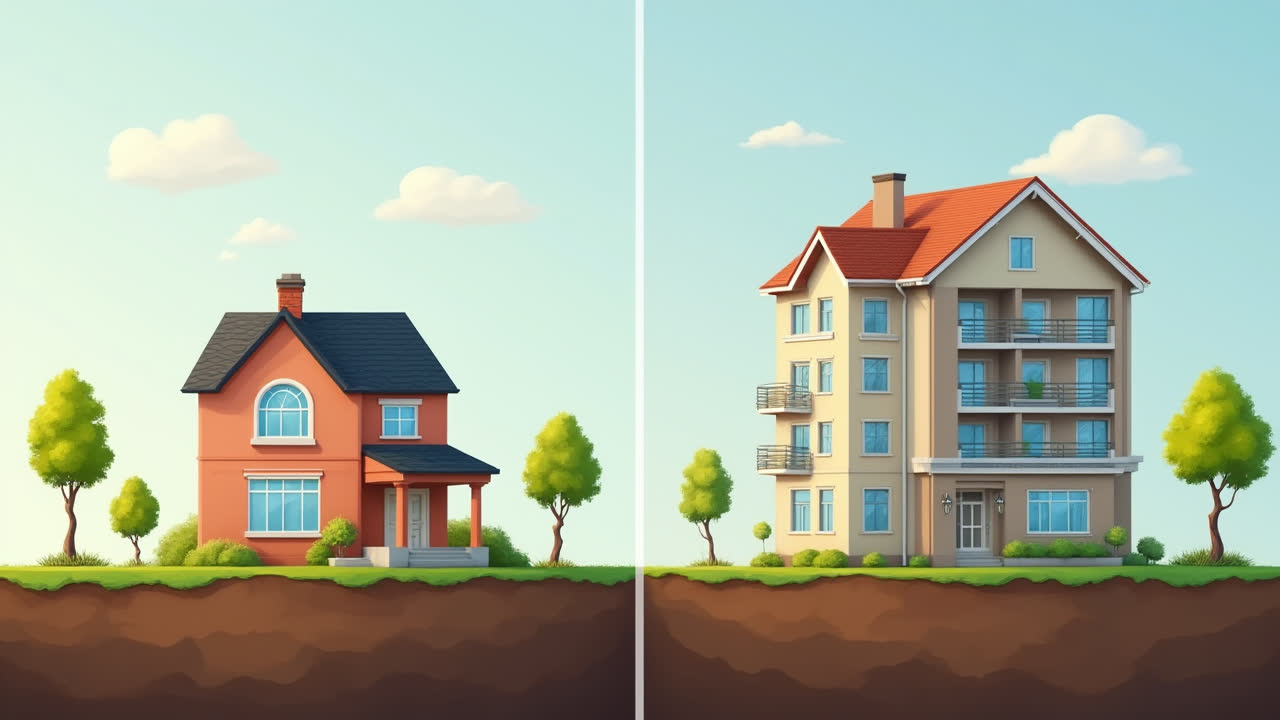
Freehold vs Leasehold Property: Which Ownership Type Is Right For You?
When diving into the property market, one of the most fundamental distinctions you'll encounter is between freehold and leasehold property. This crucial difference affects everything from your ownership rights and financial obligations to the property's value and your ability to make alterations. Having helped dozens of first-time buyers navigate this confusing territory, I've seen how misunderstanding these terms can lead to costly mistakes and disappointment.
Whether you're eyeing a charming apartment in the city center or a suburban family home, knowing exactly what you're buying is essential. The difference isn't just legal jargon—it impacts your wallet, your rights, and your peace of mind for years to come. Let's break down these property types in simple terms so you can make an informed decision that aligns with your lifestyle and investment goals.
Understanding Freehold Property: Complete Ownership
A freehold property represents the most comprehensive form of property ownership available. When you purchase a freehold property, you're buying both the building and the land it stands on—for perpetuity. There's no time limit to your ownership, and the property becomes truly yours to use, modify, or sell as you see fit (within local regulations, of course).
I remember working with a client who initially couldn't understand why seemingly identical houses had significantly different prices. The lightbulb moment came when I explained that one was freehold and the other leasehold. With freehold ownership, you're free from ground rent, service charges, and the maze of permissions often required with leasehold properties. This autonomy is why many homebuyers, particularly those looking at houses rather than apartments, prioritize freehold properties.
The emotional security of knowing that your home is completely yours—not just for your lifetime but potentially for generations to come—creates a different relationship with your property. You can extend, renovate, or even completely rebuild (subject to planning permissions) without seeking approval from a freeholder. This level of control makes freehold properties particularly appealing to those who value independence and have long-term family plans.
However, this freedom comes with complete responsibility. Every aspect of maintenance falls to you—from fixing the roof to maintaining the garden and addressing structural issues. There's no management company to call when things go wrong; you're the ultimate authority and the ultimate responsible party. For some, this responsibility is empowering; for others, it can be daunting.
Exploring Leasehold Property: Temporary Rights
In contrast, a leasehold property involves a more complex arrangement where you purchase the right to occupy a property for a fixed period—typically between 99 and 999 years. The land beneath the property remains owned by the freeholder (sometimes called the landlord), and your ownership of the property is limited by the terms of the lease and its duration.
Most apartments and flats fall under this category, which often surprises first-time buyers. I've seen the disappointment on clients' faces when they realize their dream apartment comes with annual service charges and ground rent. These ongoing payments can be substantial, varying from a few hundred to several thousand pounds annually. What's more concerning is that these fees can increase over time, adding an element of financial uncertainty to your property ownership.
The relationship between leaseholder and freeholder is governed by the lease—a legally binding document that outlines rights and responsibilities. This document may restrict everything from keeping pets to making structural alterations or even hanging washing on balconies! Breaking these conditions can result in legal action, making it crucial to thoroughly review the lease before purchasing.
A particular concern with leasehold properties is lease length. As the lease shortens, the property's value can decrease significantly—especially once it drops below 80 years. Extending a lease is possible but can be costly, involving both legal fees and a premium paid to the freeholder. I've worked with clients who faced bills of over £20,000 to extend leases, an expense they hadn't factored into their budget when purchasing.
Despite these limitations, leasehold properties often offer advantages that appeal to certain buyers. They're typically more affordable initially, making them accessible to first-time buyers. The shared maintenance responsibility can be attractive to those who don't want to deal with structural issues or ground maintenance. And for many urban dwellers, the convenience of apartment living outweighs the drawbacks of leasehold ownership.
Key Differences Between Freehold and Leasehold Properties
| Feature | Freehold Property | Leasehold Property |
|---|---|---|
| Ownership Duration | Perpetual (forever) | Fixed term (typically 99-999 years) |
| Land Ownership | Owns both building and land | Owns building only, not the land |
| Ongoing Costs | No ground rent or service charges | Annual ground rent and service charges |
| Property Alterations | Freedom to alter (subject to planning permissions) | Typically requires freeholder permission |
| Maintenance Responsibility | Complete responsibility for all maintenance | Shared responsibility with freeholder/management company |
| Property Value Over Time | Typically maintains or increases value | May decrease as lease shortens |
| Selling Process | Simpler with less paperwork | More complex with freeholder involvement |
| Common Property Types | Houses and detached properties | Apartments, flats, and some houses |
Financial Implications of Freehold vs Leasehold
The financial differences between these property types extend far beyond the initial purchase price. While freehold properties typically demand a higher upfront investment—reflecting the inclusion of land value—they often prove more economical in the long run. Without recurring ground rent and service charges, your ongoing costs are limited to standard mortgage payments, insurance, and maintenance that you control.
Leasehold properties present a more complicated financial picture. Beyond your mortgage, you'll face regular service charges that can increase unpredictably. I've worked with clients whose service charges doubled within five years, significantly impacting their monthly budgets. Ground rent, while often initially nominal, can escalate dramatically if doubling clauses are written into older leases. Recent legislation has addressed some of these issues for new leases, but existing leaseholders may still face these challenges.
The resale value trajectory also differs significantly. Freehold properties typically appreciate more consistently, while leasehold properties can face value stagnation or even decline as the lease shortens. This difference becomes particularly pronounced when a lease drops below 80 years, at which point mortgage lenders become increasingly reluctant to finance purchases, limiting your pool of potential buyers.
For investment purposes, the calculations become even more nuanced. Rental yields on leasehold properties can be squeezed by service charges and ground rent, reducing your profit margins. Meanwhile, freehold properties offer greater flexibility for value-adding improvements without requiring permission from a freeholder, potentially increasing both rental income and capital appreciation.
Making the Right Choice: Factors to Consider
Choosing between freehold and leasehold ultimately depends on your personal circumstances, financial situation, and long-term plans. For families seeking stability and planning to stay in one place for decades, the control and permanence of freehold often justifies the higher initial cost. The ability to extend, renovate, or even rebuild without seeking permission aligns with the evolving needs of growing families.
Conversely, first-time buyers with limited budgets might find leasehold properties provide an essential first step onto the property ladder. Young professionals prioritizing location over space often find that centrally-located leasehold apartments offer lifestyle benefits that outweigh ownership limitations. And those who travel frequently or work abroad might appreciate the reduced maintenance responsibilities that come with leasehold arrangements.
Your timeline also matters tremendously. If you're looking at a property as a short-term investment or stepping stone, the limitations of leasehold might be less concerning, particularly if the lease is still lengthy. However, if you're planning for retirement or considering passing property to children, the perpetual nature of freehold becomes significantly more valuable.
Remember that location often dictates availability. In city centers, freehold properties are rare commodities, and insisting on freehold might severely limit your options. In suburban and rural areas, by contrast, freehold tends to be the norm. Sometimes, the perfect location with leasehold terms might serve your needs better than a less desirable location with freehold ownership.
Recent Developments in Leasehold Reform
The landscape of property ownership is evolving, with significant leasehold reforms being introduced in many regions. These changes aim to address some of the more problematic aspects of leasehold ownership, potentially altering the calculation for prospective buyers. Ground rent caps, simplified lease extension processes, and right-to-manage regulations have all been implemented or proposed in recent years.
Perhaps most significantly, there's growing momentum toward making it easier and more affordable for leaseholders to purchase their freehold—a process known as enfranchisement. This opportunity can transform a leasehold property into a freehold one, though the process remains complex and often costly. For those considering leasehold properties, understanding these evolving rights could be crucial to making an informed decision.
I recently worked with a client who purchased a leasehold house built just five years ago. After the purchase, she discovered she had the right to buy the freehold at a reasonable price under new regulations that weren't widely publicized. This knowledge saved her thousands of pounds and converted her property to the more valuable freehold status. Staying informed about these developments can significantly impact your property journey.
Common Misconceptions About Freehold and Leasehold
Throughout my years in property, I've encountered numerous misconceptions that cloud decision-making. One persistent myth is that leasehold always represents a poor investment. While leasehold does come with limitations, well-managed properties with reasonable service charges and long leases can still provide excellent returns and comfortable homes.
Another misconception is that freehold properties are maintenance-free. In reality, they simply give you control over maintenance decisions and timing—the responsibility and costs remain entirely yours. I've seen freehold owners face unexpected five-figure bills for roof replacements or foundation issues that they hadn't budgeted for.
Perhaps most dangerously, many buyers assume all leasehold properties are created equal. In truth, lease terms vary dramatically. Two identical-looking apartments could have vastly different lease conditions—one with reasonable, capped service charges and another with escalating ground rent and restrictive conditions. The devil truly is in the details when it comes to leasehold property.
Frequently Asked Questions
Can you convert a leasehold property to freehold?
Yes, in many cases you can convert a leasehold property to freehold through a process called enfranchisement. This is more straightforward for houses than for flats or apartments. For houses, individual leaseholders can often purchase the freehold directly from the freeholder. For flats, the process typically requires collective action among leaseholders.
The cost varies significantly based on property value, location, and remaining lease length. Recent legislative changes have aimed to make this process more affordable and accessible, but it still involves legal fees and a premium paid to the freeholder. If you're considering this route, consulting with a solicitor specializing in leasehold enfranchisement is essential to understand the specific costs and process for your property.
How does lease length affect property value?
Lease length has a significant impact on property value, with the effect becoming more pronounced as the lease shortens. Properties with leases under 80 years typically see the most dramatic depreciation, as mortgage lenders become increasingly reluctant to finance purchases, limiting the pool of potential buyers.
As a rough guide, properties with leases above 90 years tend to hold similar values to comparable freehold properties. Between 80-90 years, moderate value reduction occurs. Below 80 years, the decrease accelerates as the cost of lease extension increases substantially. Below 60 years, many lenders won't offer mortgages at all, limiting sales to cash buyers and dramatically reducing market value.
This depreciation isn't linear—it accelerates as the lease approaches expiration. Extending a lease can restore value, but the process becomes more expensive as the lease shortens, creating a catch-22 situation for owners of short-lease properties.
What should I check before buying a leasehold property?
Before purchasing a leasehold property, conduct thorough due diligence on several critical factors. First, verify the remaining lease length—anything less than 80 years should raise concerns. Review historical service charge increases to identify any concerning patterns, and check for major planned works that might trigger additional costs.
Scrutinize the lease for restrictive covenants that might impact your lifestyle, such as limitations on pets, subletting, or home businesses. Investigate the building's management quality by speaking with current residents and checking for any ongoing disputes between leaseholders and freeholders.
Assess ground rent terms carefully, watching for doubling clauses that could make payments unaffordable over time. Finally, research the freeholder's reputation and whether leaseholders have exercised right-to-manage options. A good solicitor specializing in leasehold properties is invaluable for this process, as they can identify problematic clauses that might not be obvious to the untrained eye.
Conclusion: Making an Informed Decision
The choice between freehold and leasehold property represents more than just a legal distinction—it's a decision about the kind of ownership experience you want. Freehold offers autonomy, control, and long-term security, while leasehold can provide affordability, reduced maintenance responsibility, and access to locations where freehold might be unavailable.
There's no universally "better" option—only what's better for your specific circumstances, budget, and goals. By understanding the fundamental differences outlined in this guide, you're better equipped to evaluate properties with clarity, ask the right questions, and make choices that align with your priorities.
Remember that professional advice is invaluable in this process. A solicitor experienced in property law can scrutinize lease terms, while a knowledgeable real estate agent can provide context on local market conditions for both property types. Armed with understanding and expert guidance, you can approach your property purchase with confidence, whether you choose the perpetual ownership of freehold or the defined terms of leasehold.