How Gel Electrophoresis Separates DNA Fragments: A Complete Guide
When I first encountered gel electrophoresis in my undergraduate lab course, I was amazed by its simplicity yet profound capability. This technique, which separates DNA fragments based on their size, forms the backbone of countless molecular biology applications. Whether you're a student, researcher, or simply curious about molecular science, understanding how gel electrophoresis works is essential for grasping modern genetics.
Gel electrophoresis is a fundamental laboratory technique that separates DNA, RNA, and proteins based on their size and charge. Think of it as a molecular sieving process where fragments race through a porous gel matrix. The fascinating part? DNA molecules, despite being neutral in their natural state, carry negative charges due to their phosphate backbone, making them perfect candidates for electrical separation.
The Science Behind the Separation
The principle of DNA separation through gel electrophoresis relies on the negative charge of DNA molecules. These molecules naturally contain phosphate groups that give them a consistent negative charge throughout their structure. When placed in an electric field, DNA fragments move toward the positive electrode at different speeds depending on their size.
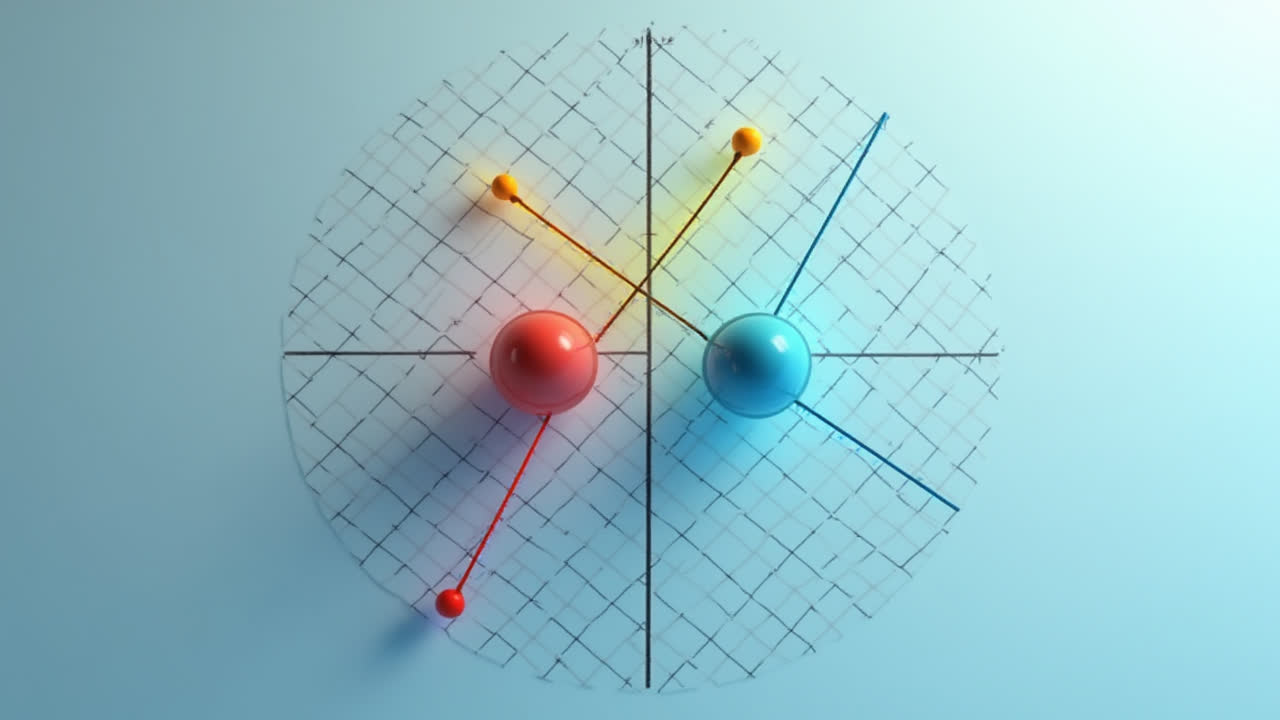
What's particularly interesting is how the gel matrix creates a molecular obstacle course. Agarose gel, the most common type used for DNA separation, contains microscopic pores that act as checkpoints. Smaller DNA fragments zip through these pores quickly, while larger fragments take their sweet time navigating the complex pathways. It's like watching runners in a steeplechase race — some clear the hurdles easily while others struggle with their size.
The relationship between fragment size and migration speed follows an inverse pattern. Fragments containing fewer base pairs move faster through the gel matrix, while those with more base pairs lag behind. This creates a beautiful separation pattern where DNA fragments arrange themselves in descending order by size.
The Step-by-Step Process
The execution of gel electrophoresis involves several carefully orchestrated steps. First, DNA samples are mixed with loading buffer containing tracking dye. This buffer serves multiple purposes: it helps visualize the samples as they migrate and makes them denser than the surrounding buffer, preventing them from floating out of the wells. I still remember watching those colored bands slowly move across the gel during my first experiments.
The prepared samples are then loaded into wells carved into the agarose gel. These wells represent the starting line for our molecular race. Once the samples are in place, an electric current is applied, creating the driving force for DNA migration. The timing and voltage settings can be adjusted based on the size range of fragments being separated.
Visualization of results typically occurs under UV light after the electrophoresis run. Ethidium bromide or other DNA-binding dyes intercalate between base pairs, making the DNA fragments glow orange-red under UV illumination. This final step reveals the separation pattern and allows for fragment size determination using DNA ladders as reference standards.
Factors Affecting Separation
Several variables influence the quality and resolution of DNA separation in gel electrophoresis. Gel concentration plays a crucial role — higher agarose concentrations create smaller pores, better suited for separating small DNA fragments. Conversely, lower concentrations work better for larger DNA molecules.
Buffer conditions significantly impact migration rates. Different buffer systems can either enhance or hinder DNA movement through the gel matrix. The voltage applied affects both the speed of migration and resolution quality. While higher voltages speed up the process, they can sometimes compromise separation accuracy due to excessive heating. Have you ever wondered why your gel results look smeared? Excessive voltage could be the culprit!
- Temperature fluctuations during electrophoresis can distort migration patterns
- DNA conformation affects migration speed — supercoiled plasmids move differently than linear DNA
- The presence of contaminants can interfere with migration patterns
- The precise pH of running buffer must be maintained for optimal results
Applications and Variations
Agarose gel electrophoresis finds applications across various molecular biology fields. From DNA fingerprinting in forensics to genetic engineering verification, this technique proves indispensable. Fragment analysis for restriction mapping, PCR product verification, and gene cloning all rely on this fundamental method.
The versatility of gel electrophoresis extends beyond the standard agarose system. Polyacrylamide gel electrophoresis (PAGE) offers higher resolution for smaller fragments, allowing separation at the single-base-pair level. This increased precision makes PAGE ideal for sequencing gel analysis and protein separation studies.
Non-denaturing versus denaturing conditions represent another variation worth exploring. While standard electrophoresis maintains DNA's native structure, denaturing gels break hydrogen bonds, transforming DNA into linear molecules. Each approach serves specific experimental purposes and yields distinct information about the samples.
Troubleshooting Common Issues
Every molecular biologist has faced their share of electrophoresis frustrations. Smeared bands often result from overloading samples or running gels at excessive voltages. I've learned that patience and proper sample preparation are key — sometimes less really is more when it comes to DNA loading.
Faint bands typically indicate insufficient DNA concentration or inadequate staining. Double-checking sample preparation and ensuring proper staining procedures can resolve these issues. Occasionally, bands appear in unexpected positions due to buffer conductivity problems or gel concentration mismatches with fragment sizes.
- Salt contamination can cause abnormal migration patterns
- Air bubbles in wells prevent proper sample loading
- Incomplete DNA denaturation affects fragment mobility
- Grid-like patterns suggest buffer recirculation issues
Safety Considerations
Working with gel electrophoresis equipment demands attention to safety protocols. UV light exposure poses risks to skin and eyes, making protective eyewear and clothing essential. Ethidium bromide, while an excellent DNA stain, requires careful handling due to its mutagenic properties. I always emphasize to my students: "Safety first, science second."
Electrical safety considerations cannot be overstated. Power supplies deliver high voltages that can be lethal if mishandled. Proper grounding, dry hands, and correct power supply operation are non-negotiable. Many accidents occur during routine procedures when complacency sets in.
Comparison: Agarose vs. Polyacrylamide Gel Electrophoresis
| Feature | Agarose Gel | Polyacrylamide Gel |
|---|---|---|
| Optimal DNA Size Range | 100 bp to 25 kb | 10 bp to 500 bp |
| Resolution | Lower (10-100 bp difference) | Higher (single base pair) |
| Gel Preparation | Simple melting and cooling | Requires polymerization |
| Cost | Relatively inexpensive | More expensive |
| Toxicity | Non-toxic when made | Acrylamide is neurotoxic |
| Setup Time | 30-60 minutes | 1-2 hours |
| Common Applications | PCR products, plasmids | DNA sequencing, protein analysis |
| Disposal | Regular biohazard waste | Special hazardous waste |
FAQ Section
How does gel electrophoresis determine DNA fragment size?
Gel electrophoresis determines DNA fragment size by comparing migration distances with known DNA markers (ladder). Since smaller fragments move faster through the gel pores, the relationship between migration distance and fragment size is inverse. By plotting the logarithm of fragment sizes against migration distances for the ladder, scientists create a standard curve to accurately determine unknown fragment sizes.
What factors affect DNA migration speed in gel electrophoresis?
Several factors influence DNA migration speed: fragment size (primary factor), gel concentration (affects pore size), applied voltage, buffer composition and concentration, temperature, and DNA conformation. Larger DNA fragments move slower, while higher voltage increases overall migration speed. Optimal gel concentration depends on the expected fragment size range.
Why do DNA molecules move toward the positive electrode during electrophoresis?
DNA molecules carry a negative charge due to their phosphate backbone. Each phosphate group in the DNA molecule contributes negative charges, making the entire molecule negatively charged regardless of sequence. When an electric field is applied, these negatively charged DNA molecules are attracted to and migrate toward the positive electrode according to basic principles of electrophoresis.
Conclusion
Gel electrophoresis remains an indispensable tool in molecular biology, allowing scientists to separate DNA fragments with remarkable precision. Understanding its principles — from the role of negative charge to size-based separation — helps researchers optimize their experimental protocols and troubleshoot common issues.
As technology advances, alternatives like capillary electrophoresis emerge, yet the fundamental principles established by gel electrophoresis continue to influence molecular separation techniques. The simplicity and effectiveness of this method ensure its place in laboratories worldwide for years to come.