How is Flour Made: Complete Guide to Grain to Flour Process
How is Flour Made: Complete Guide to Grain to Flour Process
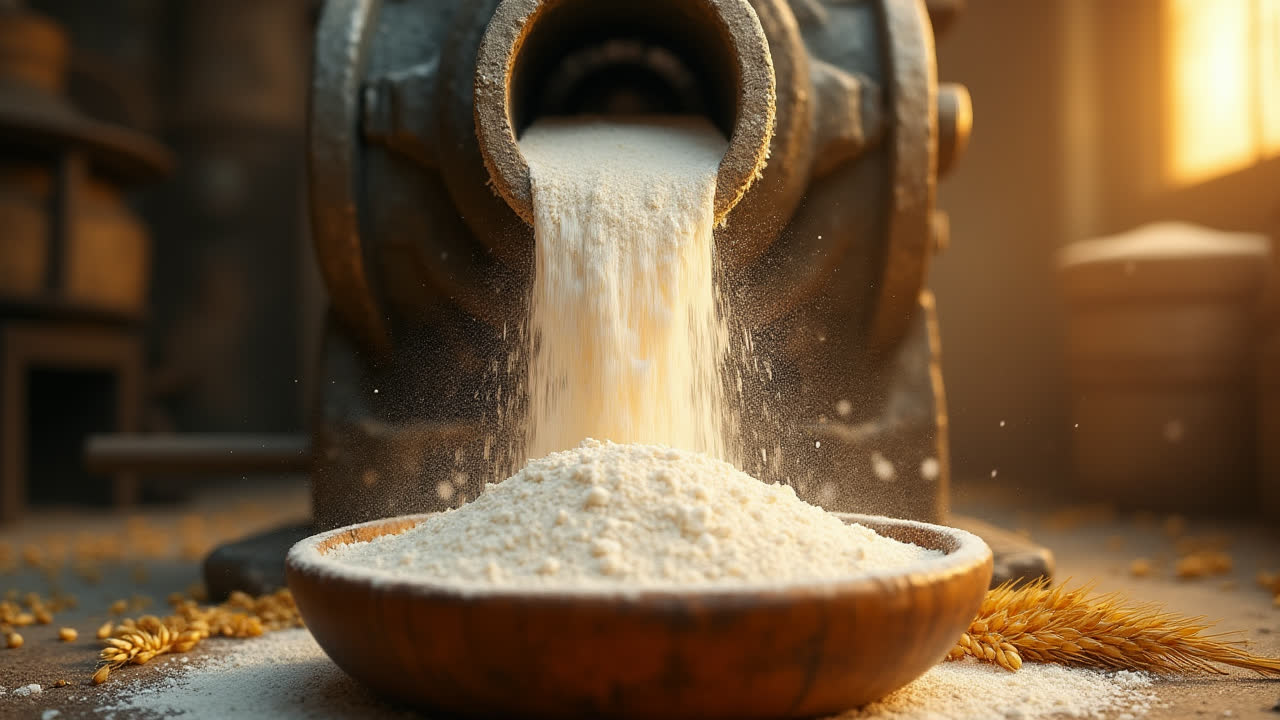
Ever wondered how flour is made as you reach for that bag of all-purpose during your baking adventures? You're not alone! Most home cooks use flour daily without knowing the fascinating journey from grain to the powdery substance in their pantry. Whether it's wheat, rice, or corn, the process of creating this essential ingredient combines ancient techniques with modern technology to deliver the perfect consistency we all rely on.
Understanding the Basics of Flour Production
The magic of flour making begins with milling - an age-old process that transforms whole grains into the fine powder we know and love. Think of it like this: if grains were rocks, milling would be like turning boulders into sand. While wheat dominates the flour industry, rice, corn, barley, oats, and even quinoa get the star treatment in specialty flour mills nowadays. Who knows what flour innovations we'll see next?
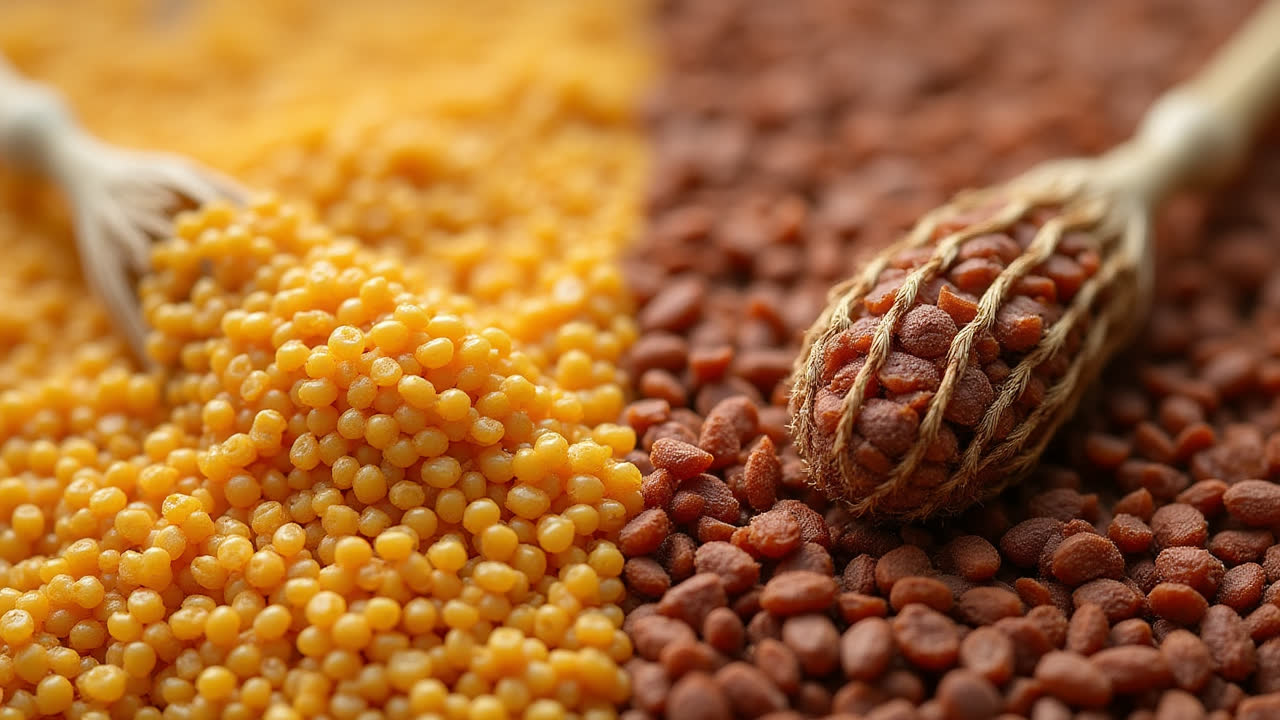
Here's the brilliant part - different flours come from different grain sections. Your typical white flour? That's basically the starchy endosperm doing all the work, making up about 85% of the wheat kernel. The darker colored flours? They keep the bran and germ intact, packed with fiber, oils, and nutrients that give whole grain its distinct personality.
The Anatomy of Wheat: What Goes Into Your Flour?
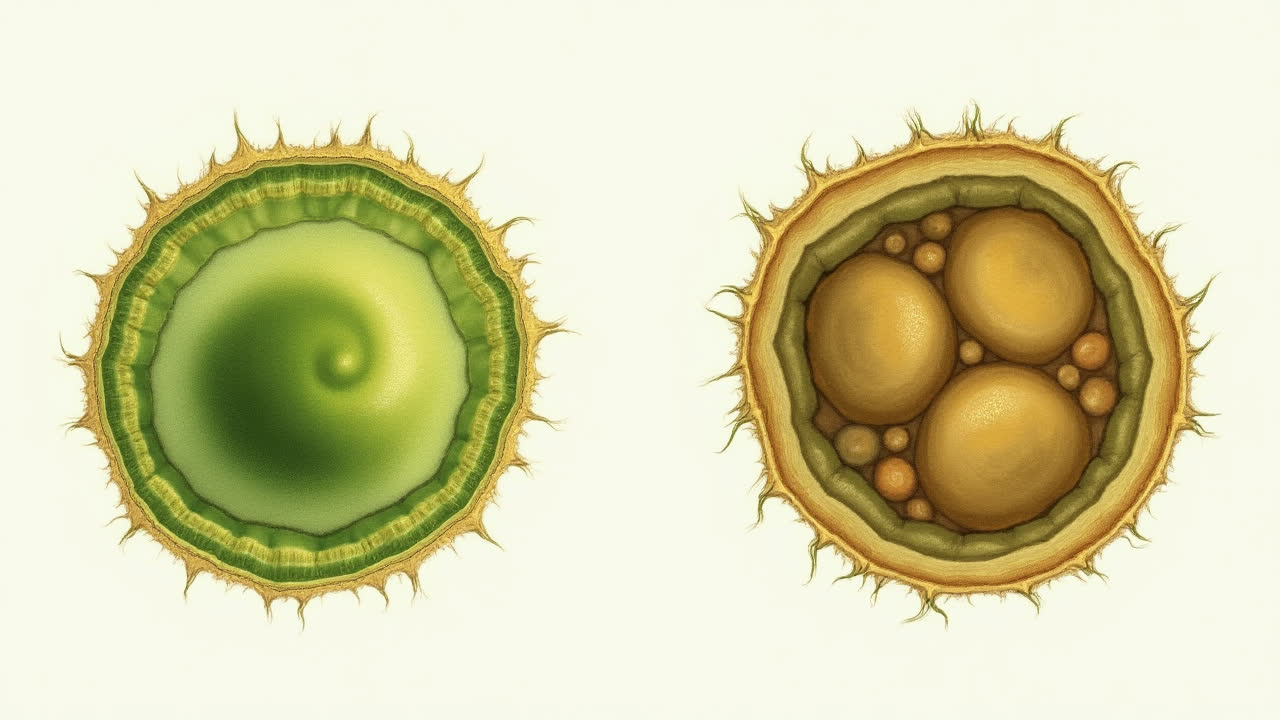
Before we dive into the milling madness, let's break down what makes up a wheat kernel (fancy name for wheat grain). Three main players steal the show:
- Endosperm - The starchy center that becomes white flour (about 85% of the kernel)
- Bran - The outer protective layer, fiber-rich and nutritious (13% of the kernel)
- Germ - The vitamin-packed embryo that could grow into a new wheat plant (about 2%)
Think of the wheat kernel like an egg: the endosperm is your white, the germ is the yolk, and the bran wraps around everything like the shell. Depending on what parts make it into your bag of flour, you get different types and nutritional profiles.
The Modern Milling Process Explained Step by Step
1. The Great Clean-Up Operation
First things first - these wheat kernels need a serious spa treatment! Cleaning involves removing stones, metal bits, other grains, and general farm debris using magnets, air currents, and sophisticated separation machines. It's like the world's most efficient treasure hunt, except we want to get rid of the treasure rather than find it.
2. Conditioning: Preparing the Grain
Next up is conditioning, where wheat gets a moisture makeover. Adding just the right amount of water softens the bran layer, making it easier to separate from the precious endosperm during milling. It's similar to how soaking chickpeas makes them easier to cook - preparation is everything!
3. Gristing: The Perfect Blend
Ever noticed how some flours are labeled "premium"? That's where gristing comes in. Millers blend different wheat varieties like a master coffee roaster, sometimes adding wheat gluten to boost protein content. Each mix creates a flour with specific characteristics perfect for bread, pastries, or general cooking.
4. The Milling Magic
Here's where things get seriously technical! The actual milling process involves several stages of rolling, breaking, and sifting. Imagine a giant game of separation where wheat kernels run through rotating fluted rolls that gently break them open without crushing. Different sieves catch different sized particles, allowing for precise separation of bran, germ, and endosperm.
Different Types of Flour and Their Uses
Speaking of flour variety, let's explore what you might find on supermarket shelves and what makes each type special:
- All-purpose flour - Your versatile kitchen companion (about 10-12% protein)
- Bread flour - Higher protein content (12-14%) for better gluten development
- Cake flour - Lower protein (7-9%) for tender, delicate baked goods
- Whole wheat flour - Includes all kernel parts for maximum nutrition
- Self-rising flour - Pre-mixed with baking powder and salt
Each flour type suits specific purposes. Imagine using bread flour for a delicate sponge cake - you'd get something chewier than your favorite bubble gum! Understanding these differences helps home bakers choose the right tool for their culinary creations.
| Flour Type | Protein Content | Best Uses | Color | Gluten Level | Grinding Method |
|---|---|---|---|---|---|
| All-Purpose Flour | 10-12% | Cookies, cakes, general baking | White to off-white | Medium | Roller milling |
| Bread Flour | 12-14% | Yeast breads, pizza dough | White | High | Roller milling |
| Whole Wheat Flour | 11-14% | Breads, muffins, pancakes | Light brown | Variable | Stone or roller mill |
| Cake Flour | 7-9% | Delicate cakes, pastries | Very white | Low | Roller milling |
| Rice Flour | 6-7% | Gluten-free baking | White or brown | None | Impact or roller milling |
| Rye Flour | 8-9% | Rye bread, pumpernickel | Light to dark brown | Low gluten | Roller milling |
| Almond Flour | 21% | Gluten-free cakes, macarons | Cream colored | None | Grinding almonds |
| Coconut Flour | 19% | Gluten-free baking | White | None | Grinding dried coconut |
The Journey from Mill to Your Kitchen
Once the flour production magic completes, the journey continues. Mills package flour in bags that protect against moisture and pests. Some facilities enrich their white flour with vitamins and minerals to replace nutrients lost during the refining process - it's like adding supplements to make up for what Mother Nature originally included.
Quality control plays a huge role here. Modern mills test every batch for consistency, protein content, and even baking performance. Remember those times when your bread just wouldn't rise right? Sometimes it's the flour, not your technique!
Environmental Impact and Sustainability
Here's something worth pondering during your next baking session - the environmental footprint of flour production. Modern mills are increasingly adopting sustainable practices like energy-efficient machinery, waste reduction, and even using by-products for animal feed or biofuel. Some mills even use solar power - imagine bread powered by sunshine!
The bran and germ removed from white flour don't go to waste either. They become cattle feed, breakfast cereals, or even beauty products. Talk about zero waste cooking before it was trendy!
Home Milling: Bringing It Back to Basics
Feeling adventurous? Home milling has made a comeback among health-conscious bakers. Using tabletop flour mills, you can transform wheat berries into fresh flour right in your kitchen. The benefits? Maximum nutrition and flavor, though I must admit, the novelty might wear thin after you realize how easy it is to just grab store-bought flour!
Grain freshness becomes crucial in home milling. Unlike commercial operations that move inventory quickly, your home wheat berries need proper storage to prevent rancidity. Pro tip: whole grains store better than ground flour anyway, so maybe home milling isn't such a crazy idea after all.
Innovation in Flour Production
The flour industry keeps evolving with exciting innovations. Ancient grains like spelt, teff, and einkorn gain popularity as people seek variety and different nutritional profiles. Gluten-free flour blends become more sophisticated, while fortification methods improve to maximize health benefits without sacrificing taste or texture.
Some mills even experiment with sprouted grain flours, which supposedly offer enhanced digestibility and nutrition. Whether it's a game-changer or just another health trend remains to be seen, but it shows how flour making continues to adapt to consumer demands.
Cultural Significance and Global Variations
Across cultures, the importance of flour and grain processing remains constant but methods vary fascinatingly. Stone grinding persists in many traditional communities, while industrial mills dominate commercial production. In some regions, wheat gets replaced by rice, corn, or root vegetables as the primary flour source.
Consider how British flour differs from American - their protein contents vary slightly, affecting everything from pizza crust to pie crusts. French flour, often labeled by type numbers, has its own standards that make their baguettes uniquely French. Understanding these differences helps explain why certain recipes work better in specific regions.
Food Science Behind Flour
The science of gluten development deserves its own applause. When flour meets water, gluten proteins (gliadin and glutenin) form elastic networks that trap gases during leavening. This creates bread's airy texture and pizza dough's stretch. Too much gluten leads to tough baked goods, while too little results in crumbly textures that fall apart faster than my New Year's resolutions!
Starch in flour also undergoes transformations during baking, absorbing liquid and setting up to give structure to your creations. This delicate balance between proteins and starches makes flour such a versatile ingredient, though it sometimes feels like rocket science when your baking experiments go sideways.
Storage and Shelf Life: Keeping Flour Fresh
Proper flour storage makes all the difference between perfect baking and disappointing results. White flour typically lasts 6-8 months in a cool, dry place, while whole grain varieties need refrigeration to prevent rancidity from natural oils. I've learned this lesson the hard way - nothing ruins a recipe faster than stale flour that smells like cardboard!
Air, light, and moisture are flour's natural enemies. Using airtight containers, preferably in dark places, extends shelf life significantly. Some dedicated bakers even freeze flour for longer storage, though convenience takes a hit when you forget to thaw it before starting your midnight baking spree.
Frequently Asked Questions
What is the difference between bleached and unbleached flour?
Bleached flour undergoes a chemical whitening process that speeds up the aging process and makes it softer with finer texture. Unbleached flour ages naturally, which takes longer but preserves more nutrients. For most recipes, they're interchangeable, though some bakers prefer unbleached for its slightly stronger structure.
Can I make flour from grains at home?
Yes! You can use a grain mill, blender, or even coffee grinder to make flour from wheat berries, rice, oats, and other grains. Home-milled flour is fresher and more nutritious but may have coarser texture than commercial flour. Start with small batches to avoid overwhelming your equipment.
Why does flour sometimes have bugs in it?
Flour can develop pantry pests like weevils and flour beetles, which often infest grains before milling. Proper storage in airtight containers and freezing flour for 48 hours after purchase can kill any eggs. While unsettling, these bugs are harmless if accidentally consumed, though you should discard infested flour.