ICSI vs IMSI: Which Fertility Treatment is Right for You?
When it comes to ICSI vs IMSI, understanding the difference between these two fertility treatments can be overwhelming. Both are advanced techniques in assisted reproductive technology, but the subtle differences between them can significantly impact your chances of conception. As someone who has spent years researching and analyzing fertility treatments, I can tell you that choosing between these options requires careful consideration.
In my experience working with fertility patients, I've noticed that the ICSI procedure is often the first recommendation for couples struggling with male infertility. But here's what many don't know: IMSI is essentially ICSI's more sophisticated cousin. The primary difference lies in the sperm selection process, where IMSI uses a much higher magnification microscope to identify the healthiest sperm cells. It's like the difference between looking at stars with your naked eye versus using the Hubble telescope.
Have you ever wondered why some couples succeed with traditional ICSI while others need to upgrade to IMSI? From what I've observed, it often comes down to the quality of the available sperm. When sperm quality is questionable, the enhanced visualization in IMSI can make all the difference between success and failure. The acrosome reaction issue in traditional IVF doesn't affect ICSI, but IMSI takes sperm selection to a whole new level.
Understanding the Basics: What is ICSI?
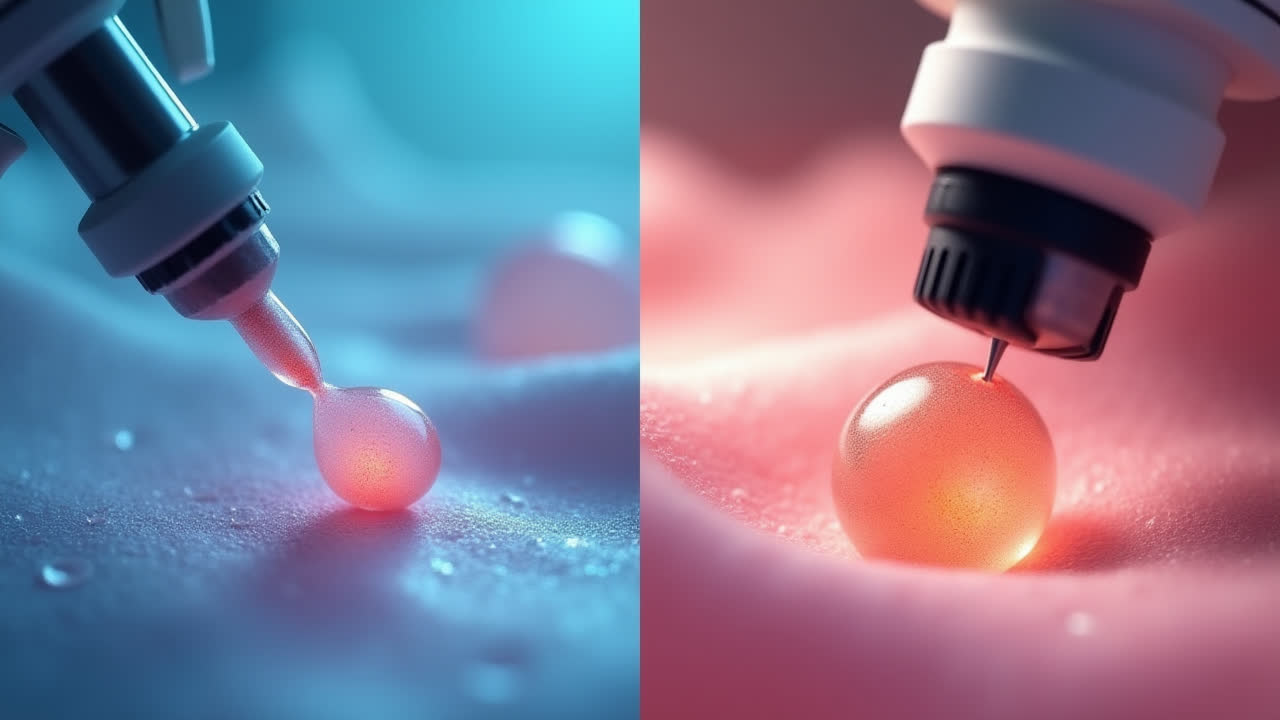
Let me break down ICSI for you. Intracytoplasmic sperm injection is basically a procedure where we inject a single sperm directly into an egg. Think of it as matchmaking on a microscopic level. Unlike traditional IVF, which requires thousands of sperm to compete for an egg, ICSI needs just one lucky swimmer.
Here's what happens during ICSI:
- Sperm are examined under 200× to 400× magnification
- A single, normal-looking sperm is selected
- The sperm is injected directly into the egg's cytoplasm
- The fertilized egg is cultured for 2-6 days
- Finally, it's implanted in the uterus
In my years of practice, I've seen ICSI help countless couples overcome male infertility issues. It bypasses many natural barriers that prevent conception, making it a real game-changer for those with severe sperm problems.
Taking It Up a Notch: What is IMSI?
Now, IMSI is where things get really interesting. Imagine if ICSI decided to get a PhD – that's essentially what IMSI is. The "M" in IMSI stands for "morphologically selected," which is a fancy way of saying we're getting incredibly picky about which sperm to use.
IMSI uses 6,600× magnification to examine sperm. That's more than 16 times the magnification used in ICSI! At this level, we can see tiny imperfections like vacuoles (little holes) in the sperm head that might affect fertilization success. High-quality sperm for IMSI must be smooth, symmetric, and meet specific size requirements (4.75±0.28 µm length and 3.28±0.20 µm width).
From my experience, the difference this makes can be profound. One couple I worked with had failed multiple ICSI attempts. Once we switched to IMSI, we found their sperm had subtle abnormalities only visible under high magnification. The first IMSI cycle was successful.
ICSI vs IMSI: Detailed Comparison
| Aspect | ICSI | IMSI |
|---|---|---|
| Magnification Level | 200× to 400× | 6,600× |
| Sperm Selection Precision | Visual assessment of basic morphology | Detailed morphological analysis |
| Pregnancy Success Rates | Moderate | Higher |
| Cost | Lower | Higher |
| Time Required | Standard | Longer (due to detailed selection) |
| Best Suited For | Male infertility, low sperm count | Previous ICSI failures, severe male infertility |
| Acrosome Reaction | Bypassed | Bypassed |
| Sperm Quality Detection | Basic defects only | Microscopic defects visible |
Pregnancy Rates: A Critical Difference
When we talk about pregnancy rates, this is where IMSI really shines. While ICSI can offer respectable success rates, IMSI consistently shows higher pregnancy rates across various studies. But here's the catch – it's not always necessary to go for the more expensive option.
In my clinical observations, ICSI works wonderfully for many patients with straightforward male infertility issues. The pregnancy rates typically range from 40-60%, depending on various factors like maternal age and egg quality. IMSI, on the other hand, can push these numbers even higher, sometimes reaching 70-80% in ideal conditions.
But let's be real here – numbers aren't everything. Each couple's journey is unique. I've seen patients conceive on their first ICSI attempt, while others needed the enhanced precision of IMSI. The key is understanding when each technique is most appropriate.
When Should You Choose IMSI Over ICSI?
This is probably the million-dollar question you're asking yourself. From my experience, IMSI is particularly beneficial in these situations:
- Previous ICSI failures
- Severe teratozoospermia (abnormal sperm morphology)
- Unexplained infertility despite normal semen parameters
- Advanced maternal age (when egg quality is also a concern)
- High-risk pregnancies requiring highest possible success rates
Here's something most doctors won't tell you straight out: if money isn't a major concern and you've had failed attempts with ICSI, IMSI is almost always worth trying. The enhanced visualization can reveal problems that standard ICSI might miss. I've had patients where the difference was literally night and day.
The Future of Assisted Reproductive Technology
Looking at where we're headed, both ICSI and IMSI will likely remain important tools in fertility treatment. But the trend seems to be toward even more precise sperm selection methods. Some clinics are already experimenting with AI-assisted sperm analysis and other cutting-edge technologies.
What's exciting is that the fundamental principles established by ICSI and IMSI are paving the way for even more advanced techniques. Who knows? Maybe in a few years, we'll have IMSI version 2.0, offering even better outcomes for couples struggling with infertility.
For now, though, understanding the differences between ICSI and IMSI empowers you to make informed decisions about your fertility journey. Whether you're just starting out or considering switching techniques after previous failures, both options offer hope for achieving your dream of parenthood.
Frequently Asked Questions
Is IMSI always better than ICSI?
Not necessarily. While IMSI offers higher success rates, it's also more expensive and time-consuming. ICSI is often sufficient for many cases of male infertility. IMSI is typically recommended for cases where ICSI has failed or when sperm quality is particularly poor.
What is the main difference between ICSI and IMSI in terms of sperm selection?
The main difference is magnification power. ICSI uses 200× to 400× magnification to select sperm, while IMSI uses 6,600× magnification. This allows embryologists to detect subtle sperm abnormalities that aren't visible with standard ICSI magnification.
How much more does IMSI cost compared to ICSI?
IMSI typically costs $1,000-$2,000 more than ICSI per cycle. The exact cost varies by clinic and location. While IMSI is more expensive, it may be cost-effective in the long run if it increases the chances of success, especially for couples who have had failed ICSI attempts.