Kheer vs Phirni: Understanding the Delicious Differences
Kheer vs Phirni: Understanding the Delicious Differences
Have you ever found yourself wondering about the difference between Kheer and Phirni? Both are beloved Indian desserts that have graced countless dinner tables and festive celebrations, yet they each bring their own unique charm to the sweet world of rice puddings. If you're like me, you've probably enjoyed both without realizing the subtle yet fascinating distinctions that make each special.
I remember my first encounter with these desserts at a friend's Diwali celebration. While they both looked similar in their creamy glory, one taste revealed a world of difference. Honestly, it was a bit embarrassing to ask "what's the difference?" in front of all those experienced food lovers!
What Makes Each Dessert Unique?
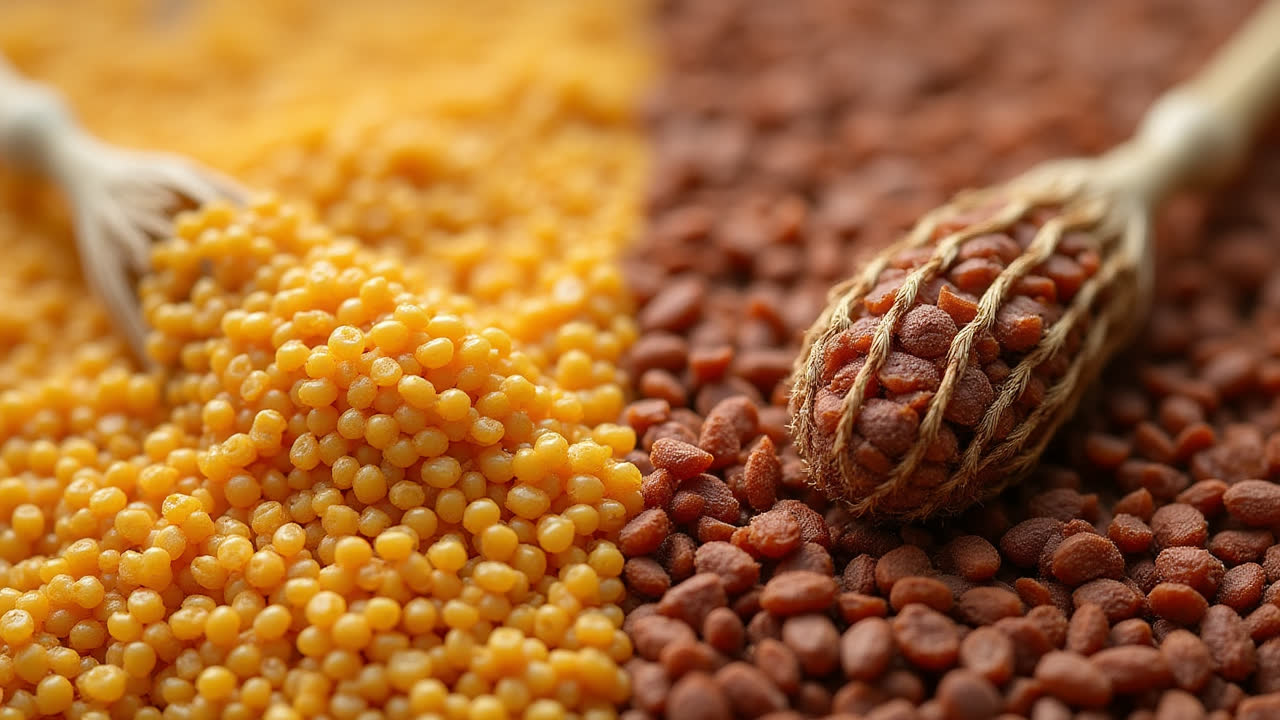
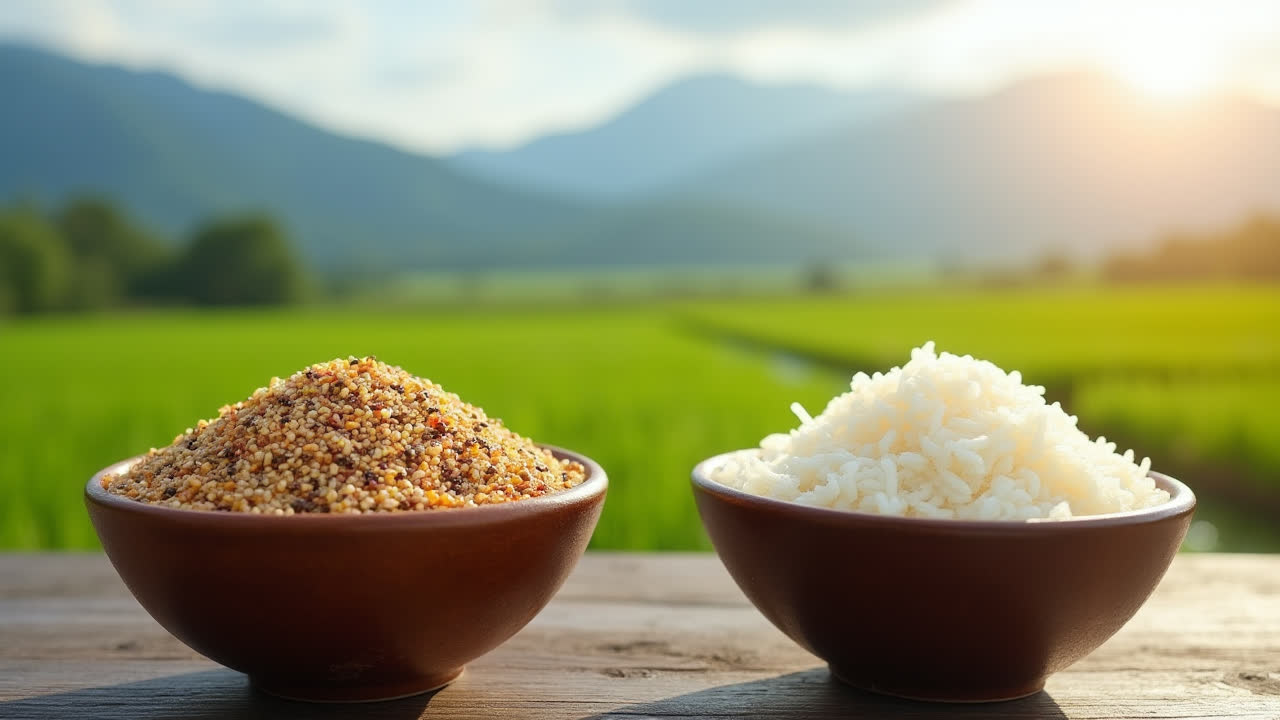
The primary difference between Kheer and Phirni lies in the rice preparation. While both start with the same basic ingredients of milk, sugar, and aromatic spices, the magic happens in how rice is handled. Kheer uses whole rice grains that slowly cook in milk, whereas Phirni begins its journey with ground rice or rice flour that's been carefully powdered beforehand.
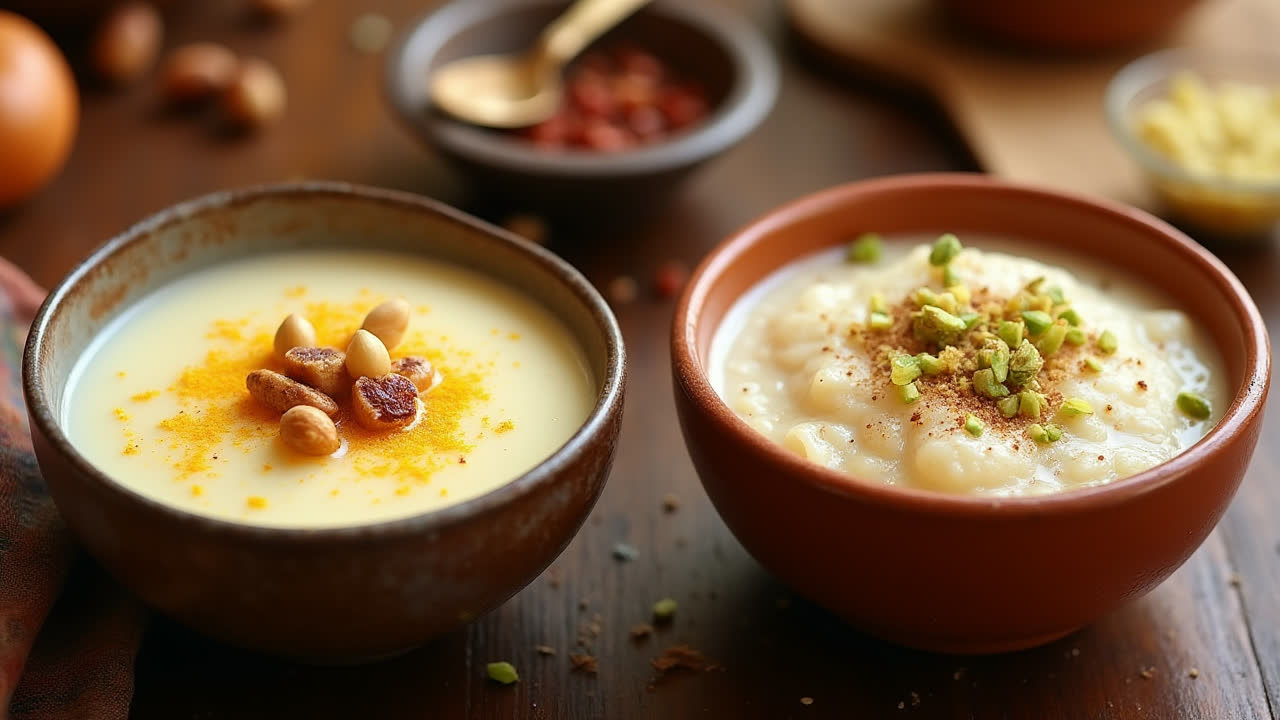
This seemingly small difference creates two completely different experiences in your mouth. Kheer maintains a slightly grainy texture that some describe as rustic or homestyle. You can feel individual rice grains that have become wonderfully tender, almost like finding little pearls of comfort in each spoonful.
On the other hand, Phirni offers a silky smooth experience. It's like comparing a rustic countryside path to a polished marble floor – both lead to the same destination of deliciousness, but the journey feels quite different. The ground rice creates a velvety texture that some find more sophisticated.
| Feature | Kheer | Phirni |
|---|---|---|
| Rice Type | Whole rice grains | Ground rice/rice flour |
| Texture | Slightly grainy | Smooth and creamy |
| Cooking Time | Longer (40+ minutes) | Shorter (15-20 minutes) |
| Serving Container | Regular bowls | Traditional clay pots |
| Serving Temperature | Warm or cold | Always chilled |
| Flavor Absorption | Moderate | High (due to ground rice) |
| Regional Variations | Payasam (South India) | Firnee (Afghanistan) |
| Festival Association | Multiple festivals | Eid, Ramadan |
The Cultural Connection
Isn't it fascinating how food connects us to culture? Both desserts have roots that run deep in Indian tradition. Kheer plays a starring role in various festivals across India – from Deepavali to weddings and temple celebrations. I've seen it offered as prasad in temples, almost like edible blessings.
Phirni, meanwhile, holds special significance during Islamic celebrations like Eid and Ramadan. Its delicate flavor and cooling nature make it perfect for breaking fasts, especially in the Afghani community where it's known as firnee and often flavored with banana – now that's something I'd love to try!
Preparation Secrets
Want to know a little secret? The difference in cooking time makes Phirni the perfect choice when you're short on time but still want to impress guests. While Kheer demands patience as you stir and wait for those rice grains to reach their perfect state, Phirni can be ready in half the time.
But here's where traditional wisdom comes in – Phirni isn't just served in clay pots for aesthetics. These earthy containers actually absorb excess moisture, giving the dessert that perfect consistency that's neither too thick nor too thin. Plus, there's something special about eating from a clay pot – it adds an earthy note that complements the delicate flavors beautifully.
Regional Variations and Names
You might be wondering why the same dessert goes by different names across India. It's like playing a delicious game of telephone! In South India, people generally call Kheer as Payasam. Other regional names include Ksheeram, Doodh Pak, Payesh, and even Khiri in certain areas.
This linguistic diversity reminds me of how every grandmother has her own "secret" recipe that makes her version the best. Sometimes I think the real difference between Kheer and Phirni isn't just in the preparation, but in the love and memories that each family attaches to their preferred dessert.
Nutritional Considerations
Let's be honest – when it comes to desserts, we're not always thinking about nutrition. But since Phirni uses ground rice, it might be slightly easier to digest for some people. The smaller particles mean quicker digestion, which could be better after heavy meals during festivals.
However, both desserts are essentially made with the same wholesome ingredients – rice, milk, sugar, and aromatic spices. The cardamom and saffron aren't just for flavor; they also bring their own health benefits, including aids in digestion and mood enhancement.
Which Should You Choose?
If you're trying to decide between the two, consider this: want something that feels like a warm hug? Go for Kheer. Looking for elegant sophistication? Phirni's your answer. Or better yet – why not try both? Life's too short to choose just one dessert!
Personally, I find myself reaching for Kheer when I need comfort food, especially during monsoons. But for summer gatherings or when entertaining guests, Phirni's refined texture and cooling nature make it my go-to choice.
Frequently Asked Questions
What's the difference in flavor between Kheer and Phirni?
While both use similar flavor components like cardamom and saffron, Phirni often has a more intense flavor profile. This is because ground rice absorbs flavors more efficiently than whole rice grains. Additionally, Phirni's traditional serving in clay pots adds a subtle earthy note that enhances its taste.
Can I make Phirni without grinding rice myself?
Yes, you can use rice flour instead of grinding rice yourself. However, freshly ground rice often gives better texture and taste. If using rice flour, make sure it's fine and free from lumps. Some families prefer semolina or even cornstarch for different variations, especially in different regions.
Why is Kheer sometimes called Payasam?
Payasam is simply the South Indian name for Kheer. The recipe and ingredients remain largely the same, though South Indian versions might use jaggery instead of sugar, coconut milk alongside regular milk, and regional ingredients like banana chips or raisins. It's the same beloved dessert with a regional twist.
The difference between Kheer and Phirni goes beyond mere ingredients – it's a journey through textures, traditions, and tastes. Whether you prefer the homestyle comfort of Kheer or the refined elegance of Phirni, both these desserts showcase the beautiful diversity of Indian cuisine. Next time you're enjoying either one, you'll appreciate not just the taste, but the rich cultural heritage in every spoonful.
In the end, perhaps the best approach is like my grandmother always said: "Why compare when you can enjoy both?" Sometimes the sweetest wisdom comes from simply savoring the moment – or in this case, both desserts!