Lithology vs Geology: 8 Critical Differences You Should Know
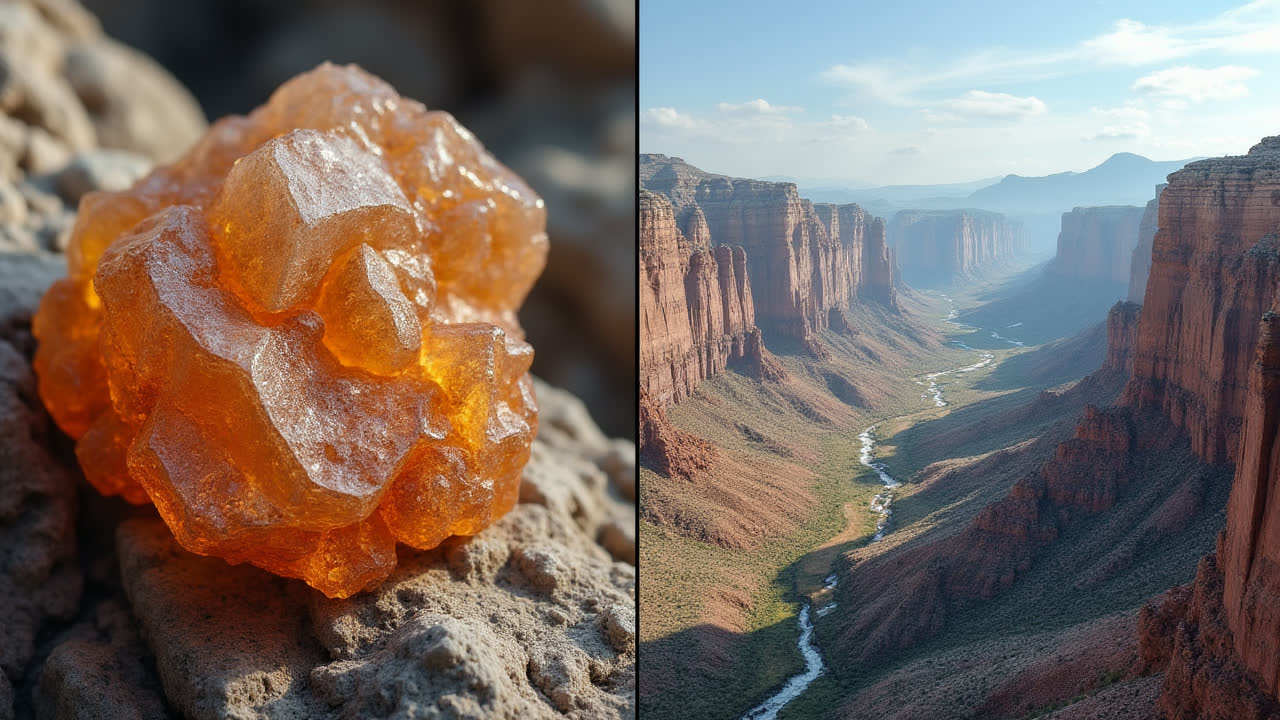
Have you ever wondered what makes up the ground beneath your feet? The Earth's crust has fascinated scientists for centuries, leading to specialized branches of study that help us understand our planet's composition and history. Lithology and geology represent two fundamental yet distinct approaches to studying Earth's rocky materials. While they might seem similar at first glance, these disciplines serve different purposes in the scientific community.
In this comprehensive guide, we'll explore how lithology focuses on detailed rock properties at a microscopic level, while geology takes a broader view of Earth's processes over time. Whether you're a student, science enthusiast, or simply curious about Earth sciences, understanding these differences will give you deeper insight into how scientists study and classify our planet's structure.
What is Lithology? Understanding Rock Properties
Lithology is a specialized branch of Earth sciences that studies the physical characteristics of rock units. When geoscientists examine lithology, they're essentially looking at rocks under a microscope or analyzing visible outcrops to identify specific properties. These include color, texture, grain size, and mineral composition—features that can be observed with low magnification or even the naked eye.
I've always found it fascinating how lithologists can tell so much from what seems like an ordinary rock. They might hold up a specimen and immediately recognize that its large crystal grains indicate it formed slowly underground rather than during a volcanic eruption. This detailed observation is what makes lithology so valuable to various industries, from oil exploration to construction.
According to lithological classification, there are three major rock types that make up Earth's crust:
- Sedimentary rocks - Formed from the accumulation and cementation of minerals, organic particles, and rock fragments
- Igneous rocks - Resulting from the cooling and solidification of magma or lava
- Metamorphic rocks - Created when existing rocks transform through heat, pressure, or chemical processes
When examining rocks lithologically, grain size provides crucial information about formation conditions. For example, large grain sizes typically indicate intrusive igneous rocks that cooled slowly beneath the Earth's surface, allowing crystals to grow larger. Conversely, small grain sizes suggest extrusive igneous rocks that cooled rapidly after a volcanic eruption.
Color also plays a significant role in lithological analysis. Igneous rocks, particularly those rich in minerals like olivine and pyroxene, often appear very dark or black. Meanwhile, sedimentary rocks like sandstone might range from light tan to reddish-brown depending on their mineral composition and formation environment.
The texture of rocks—how individual grains relate to each other—tells lithologists about formation processes. In sedimentary rocks, textures reveal sorting patterns, roundness of particles, and how they were cemented together. Metamorphic rock textures show growth patterns of minerals during deformation phases, while igneous rock textures indicate crystallization rates and magma conditions.
What is Geology? The Broader Earth Science
While lithology focuses narrowly on rock properties, geology takes a much wider perspective. As a comprehensive Earth science, geology studies not just rocks but the entire solid Earth—its composition, structure, physical properties, and the processes that shape it over time. Geologists examine everything from microscopic minerals to mountain ranges, from ancient fossils to active volcanoes.
One thing I've learned from geologist friends is that they're essentially detectives using rocks to reconstruct Earth's history. They can look at sedimentary layers in the Grand Canyon and tell you about climate changes that happened millions of years ago, or examine volcanic rocks and determine when and how eruptions occurred.
Geology encompasses numerous specialized subdisciplines including:
- Structural geology - Studying how rocks deform and create features like faults and folds
- Historical geology - Examining Earth's history through rock records
- Geophysics - Applying physics principles to understand Earth processes
- Geochemistry - Analyzing the chemical composition of geological materials
- Paleontology - Studying fossils to understand ancient life
Beyond Earth, geology has expanded to include the study of solid features on other celestial bodies, such as Mars, the Moon, and other planets or natural satellites. This comparative planetary geology helps scientists understand universal processes that shape rocky bodies throughout our solar system.
Geologists work with both lithified materials (rocks) and unlithified materials (recent deposits that haven't yet turned to stone). These unlithified materials—like sand, soil, or fresh volcanic deposits—provide crucial information about ongoing geological processes and recent Earth history.
Perhaps most importantly, geology gives us tools to determine the age of rocks and reconstruct their formation history. Through methods like radiometric dating, geologists can determine that certain rocks formed billions of years ago, while others might be just thousands or even hundreds of years old. This chronological framework allows us to piece together Earth's remarkable 4.6-billion-year story.
Lithology vs Geology: Key Differences Explained
| Comparison Aspect | Lithology | Geology |
|---|---|---|
| Primary Focus | Physical properties of rock units | Entire solid Earth and its processes |
| Scope | Narrow (specific rock characteristics) | Broad (Earth's composition, structure, and history) |
| Categorization | Branch of geology | Major branch of Earth sciences |
| Time Perspective | Mostly static (properties at a point in time) | Dynamic (changes over geological time periods) |
| Analysis Method | Visual examination, microscopy | Various methods including field studies, remote sensing, lab analysis |
| Main Characteristics Studied | Color, texture, grain size, mineral composition | Rock formations, Earth structures, geological processes, Earth history |
| Application Range | Mining, petroleum exploration, construction | Natural resource management, hazard assessment, environmental studies, planetary science |
| Material Focus | Primarily lithified rocks | Both lithified rocks and unlithified materials |
The Relationship Between Lithology and Geology
Understanding the relationship between lithology and geology helps clarify their distinctive roles in Earth sciences. Think of lithology as a specialized tool within the broader geological toolkit. Lithological analysis provides detailed data about rock properties that geologists then use to interpret larger Earth processes and histories.
When a geologist maps an area to understand its geological history, they rely heavily on lithological information. By identifying specific rock types and their properties, they can determine whether an area was once underwater (sedimentary rocks), experienced volcanic activity (igneous rocks), or underwent significant pressure and temperature changes (metamorphic rocks).
In practice, the two fields complement each other perfectly. Lithology provides the detailed, microscopic view of rocks that informs geology's macroscopic understanding of Earth processes. Without lithological analysis, geologists would lack the fundamental data needed to reconstruct Earth's past. Conversely, without geological context, lithological observations would lack meaningful interpretation about their significance in Earth's history.
This relationship extends into practical applications as well. In petroleum exploration, for instance, lithologists identify porous rock formations that might contain oil or gas, while geologists determine how these formations formed and where they're most likely to contain valuable resources. In construction, lithological properties inform engineers about rock strength and stability, while geological analysis reveals potential hazards like fault lines or unstable slopes.
The integration of lithology and geology demonstrates how scientific specialization and broader context work together to enhance our understanding of the natural world. By examining both the microscopic details and the grand patterns, Earth scientists develop a comprehensive picture of our planet's structure, composition, and ever-changing nature.
Practical Applications of Lithology and Geology
Both lithology and geology have numerous practical applications beyond pure scientific research. These fields directly impact our daily lives in ways many people don't realize. From the buildings we live in to the energy resources we consume, lithological and geological knowledge shapes our modern world.
In the construction industry, lithological analysis determines the suitability of stone materials for building projects. Engineers need to know about rock strength, permeability, and weathering potential before breaking ground on major structures like dams, bridges, or skyscrapers. I once visited a quarry where specialists meticulously examined rock samples to ensure they met specifications for a highway project.
The energy sector relies heavily on both disciplines. Oil and gas exploration requires detailed lithological analysis to identify potential reservoir rocks with the right porosity and permeability to hold hydrocarbons. Meanwhile, geological understanding of sedimentary basin formation helps predict where these resources might be found. Similarly, geothermal energy development depends on geological knowledge of heat flow and lithological properties of rocks that can sustain heat exchange.
Mining operations use lithological information to locate valuable mineral deposits and determine the most efficient extraction methods. Geology provides the broader context of how and where these deposits formed, directing exploration efforts to promising locations.
Environmental applications include:
- Groundwater management - Lithological properties affect aquifer capacity and water flow
- Natural hazard assessment - Geological analysis helps predict earthquakes, landslides, and volcanic eruptions
- Climate research - Rock records preserve evidence of past climate conditions
- Waste disposal - Lithological properties determine suitable locations for landfills or nuclear waste storage
Even space exploration benefits from these Earth sciences. Comparative planetary geology helps scientists understand formations on Mars, the Moon, and other celestial bodies. The lithological analysis of meteorites and samples returned from space missions provides insights into the formation and evolution of our solar system.
Frequently Asked Questions About Lithology and Geology
How does lithology help in the discovery of natural resources?
Lithology plays a critical role in natural resource exploration by identifying rock properties that indicate potential deposits. For petroleum exploration, lithologists look for porous sedimentary rocks that can trap oil and gas. In mining, they examine mineral composition and alteration patterns that suggest nearby ore deposits. By analyzing grain size, porosity, permeability, and mineral assemblages, lithology helps geologists target their exploration efforts to areas with the highest resource potential, significantly reducing exploration costs and environmental impact.
What career opportunities exist in lithology and geology?
Both fields offer diverse career paths across various industries. Geologists can work as petroleum geologists, mining geologists, environmental consultants, hydrogeologists, engineering geologists, or researchers in academia. Lithology specialists often find roles in laboratory analysis, core sample examination for drilling operations, or as specialists in petrography (the study of rocks under microscopes). Government agencies also employ both geologists and lithologists for mapping projects, resource management, and hazard assessment. With growing concern about climate change and sustainable resource management, demand for these professionals continues to increase in environmental consulting and renewable energy sectors.
How has technology changed the study of lithology and geology?
Technological advances have revolutionized both fields in recent decades. Digital microscopy and automated mineral identification systems now enhance traditional lithological analysis, allowing for more precise and consistent rock characterization. In geology, Geographic Information Systems (GIS) enable sophisticated mapping and spatial analysis, while remote sensing technologies provide data about inaccessible areas. Advanced dating methods have refined our understanding of Earth's timeline, and 3D modeling software helps visualize complex geological structures beneath the surface. Perhaps most significantly, portable analysis tools now allow scientists to conduct preliminary lithological examinations in the field, streamlining the research process and enabling real-time decision-making during exploration campaigns.
Conclusion: The Essential Interplay Between Lithology and Geology
The relationship between lithology and geology exemplifies how specialized scientific fields complement one another to enhance our understanding of the natural world. While lithology provides detailed insights into rock properties at the microscopic level, geology places these observations within the broader context of Earth's processes and history.
This distinction isn't merely academic—it has practical implications for how we interact with our planet. From constructing resilient infrastructure to discovering energy resources, from mitigating natural hazards to understanding climate change, the interplay between lithological details and geological context informs countless aspects of modern society.
As we face growing environmental challenges and resource demands, the importance of these Earth sciences will only increase. By understanding both the minute properties of rocks and the grand processes that form them, we gain valuable insights into our planet's past and tools to navigate its future.
Whether you're a student considering a career in Earth sciences, a professional working in related industries, or simply someone curious about the ground beneath your feet, appreciating the difference between lithology and geology offers a richer perspective on the remarkable planet we call home.