Millet vs Sorghum: Nutritional Benefits, Uses, and Key Differences
In today's health-conscious world, ancient grains are making a remarkable comeback. Among these nutritional powerhouses, millet and sorghum stand out as versatile, gluten-free alternatives that offer exceptional benefits. But what exactly sets these two similar-looking grains apart? I've spent years incorporating these grains into my diet, and I'm excited to share what I've learned about their unique properties and uses.
Both millet and sorghum are drought-resistant crops with impressive nutritional profiles, making them increasingly popular choices for health-focused consumers and those with dietary restrictions. Despite their similarities, these grains have distinct characteristics that make each suitable for different culinary applications and dietary needs. Let's dive into the fascinating world of these ancient grains and discover what makes each special.
What is Millet? Origin and Characteristics
Millet is a collective term for a group of small-seeded grasses belonging to the Poaceae family, with Panicum miliaceum being the most commonly consumed species. This ancient grain has been cultivated for over 10,000 years, making it one of the oldest human foods. When I first encountered millet at a local farmer's market, I was struck by its tiny, round, yellowish seeds—almost resembling bird seed (and yes, it's actually used in bird feed too!).
Originally domesticated in East Asia, particularly in regions of China, millet spread throughout Asia, Africa, and eventually to other continents. What makes millet truly remarkable is its incredible resilience. It can thrive in harsh environments where other crops would fail, requiring minimal water and growing in poor soil conditions. This adaptability has made it a staple food in semi-arid regions of Africa and Asia for millennia.
Millet isn't just one grain but encompasses several varieties, each with distinct properties. The major types include pearl millet (the most widely grown), foxtail millet, proso millet, and finger millet. Pearl millet, with its slightly larger grains, is primarily grown for human consumption, while other varieties serve both human and animal nutritional needs. Minor varieties include kodo millet, barnyard millet, little millet, Guinea millet, and browntop millet—each with unique characteristics and growing conditions.
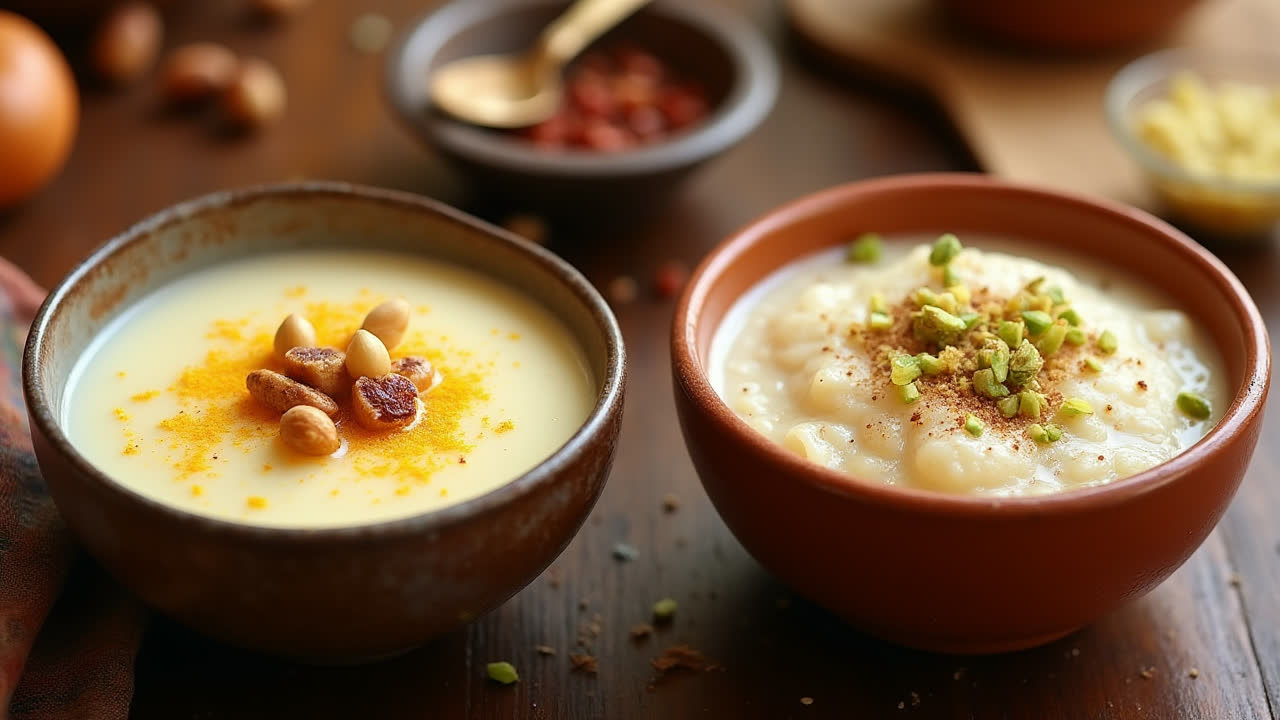
When cooked, millet develops a fluffy, slightly sweet texture. Some varieties become creamy when prepared with additional liquid, while others maintain a more distinct grain structure. This versatility makes millet suitable for diverse culinary applications—from porridges and side dishes to ingredients in baked goods. I've found that toasting millet before cooking enhances its nutty flavor profile, adding depth to whatever dish I'm preparing.
What is Sorghum? Origin and Characteristics
Sorghum (Sorghum bicolor) is another ancient grain that belongs to the grass family Poaceae. With its origins in Africa dating back 8,000 years, sorghum has a rich history as a dietary staple in many parts of the world. The first time I grew sorghum in my garden, I was amazed by how similar the growing plants looked to corn, reaching impressive heights with broad leaves, though with distinctly different grain clusters.
Today, sorghum is the fifth most produced cereal crop globally, though it remains less familiar to many Western consumers. Like millet, sorghum thrives in challenging environments and requires minimal water, making it an excellent crop for regions facing water scarcity or drought conditions. The plant's deep root system allows it to access moisture deep in the soil, contributing to its remarkable drought resistance.
Sorghum comes in several varieties, including waxy Burgundy sorghum, white sorghum, black sorghum, and Sumac sorghum. Each type has unique characteristics that make it suitable for different applications. White sorghum is often used for flour production, while Burgundy and black varieties contain higher levels of antioxidants. In the United States, a sweet sorghum variety is commonly used to produce sorghum syrup, a natural sweetener with a distinct flavor somewhat reminiscent of molasses.
The grain itself has a mild, earthy flavor that some describe as slightly sweet. When cooked, whole grain sorghum maintains its shape and firm texture, not unlike barley, making it excellent for grain bowls and salads. What surprised me most when first cooking with sorghum was its impressive versatility—it can be prepared as a whole grain, ground into flour, popped like popcorn (yes, really!), or even brewed into beer. In fact, in parts of Africa, sorghum has been used to make traditional fermented beverages for centuries.
Nutritional Comparison: Millet vs Sorghum
Both millet and sorghum are nutritional powerhouses that offer significant health benefits. When I first started researching ancient grains for my own dietary needs, I was impressed by the nutritional density of both these options. Let's break down their nutritional profiles to understand what each grain brings to the table.
| Nutrient | Millet | Sorghum |
|---|---|---|
| Calories | 119 kcal | 115 kcal |
| Protein | 3.5g | 3.3g |
| Carbohydrates | 23.7g | 25.5g |
| Dietary Fiber | 1.3g | 1.6g |
| Iron | 0.9mg | 1.4mg |
| Magnesium | 44mg | 39mg |
| Phosphorus | 100mg | 87mg |
| Potassium | 107mg | 112mg |
As the table shows, millet is slightly higher in calories and protein than sorghum, while sorghum contains slightly more dietary fiber and iron. Both grains offer an impressive array of minerals, with millet providing more magnesium and phosphorus, while sorghum offers more potassium and iron. These subtle differences might make one grain preferable over the other depending on your specific nutritional needs.
What's truly remarkable about both grains is their exceptional mineral content compared to more common grains. In my experience, incorporating these ancient grains into my diet has helped me maintain better energy levels throughout the day. Both grains provide complex carbohydrates that release energy slowly, helping to maintain stable blood sugar levels. This makes them particularly beneficial for individuals managing diabetes or those looking to control blood sugar fluctuations.
Another significant nutritional advantage of both millet and sorghum is that they're naturally gluten-free, making them safe alternatives for people with celiac disease or gluten sensitivity. When I was first diagnosed with gluten sensitivity, these grains became staples in my kitchen, offering nutritional variety beyond the typical rice and corn options. However, as with all grains processed in facilities that also handle wheat, it's important to check packaging for certified gluten-free labels if cross-contamination is a concern.
Culinary Uses and Cooking Methods
One of the most exciting aspects of both millet and sorghum is their culinary versatility. Over the years, I've experimented with countless ways to incorporate these grains into my cooking, and I'm constantly surprised by their adaptability. Understanding how to properly prepare each grain can help you maximize their flavors and textures in your meals.
Cooking with Millet
Millet cooks relatively quickly compared to many whole grains, typically requiring about 15-20 minutes of simmering. The basic cooking ratio is 1 part millet to 2.5 parts water, though this can be adjusted depending on the desired consistency. For a fluffier texture, similar to couscous, use less water; for a creamier consistency resembling mashed potatoes, add more liquid. I've found that toasting millet in a dry pan before adding liquid significantly enhances its nutty flavor—a tip I picked up from a chef friend years ago.
In many African and Asian cuisines, millet is used to create porridges and flatbreads. In India, bajra (pearl millet) is ground into flour for making roti, while in Africa, fermented millet porridge is a traditional breakfast. In Eastern European countries, millet is often used in sweet dishes, combined with milk and honey. I've successfully used millet as a rice alternative in pilafs, salads, and Buddha bowls, and it works beautifully as a binding agent in vegetarian burgers. Millet flour can also be incorporated into baked goods, though its lack of gluten means it's usually combined with other flours for structure.
Cooking with Sorghum
Sorghum takes significantly longer to cook than millet, requiring about 45-60 minutes to achieve a tender texture while maintaining its pleasant chewiness. The standard cooking ratio is 1 part sorghum to 3 parts water. Soaking the grains overnight can reduce cooking time and may enhance digestibility. Some people prefer using a pressure cooker to speed up the process—something I now regularly do to save time on busy weeknights.
Whole grain sorghum makes an excellent base for grain bowls and salads because it doesn't get mushy and absorbs flavors well. In the American South, sorghum syrup (made from sweet sorghum varieties) is a traditional sweetener used in baking and as a pancake topping. Across Africa, sorghum flour is used for porridges and flatbreads, while in Asia, it appears in dumplings and noodles. One of my favorite discoveries was popped sorghum—smaller than popcorn but with a similar texture and a slightly sweeter flavor, perfect for healthy snacking.
Sorghum flour has become increasingly popular in gluten-free baking because its mild flavor works well in both sweet and savory applications. When I first started gluten-free baking, I was frustrated by the strong flavors of some alternative flours, but sorghum's neutral taste allows other ingredients to shine. It works particularly well in cookies, muffins, and quick breads, though like millet flour, it benefits from being combined with other flours for structure.
Key Differences Between Millet and Sorghum
While millet and sorghum share many similarities, understanding their differences can help you choose the right grain for specific uses. After years of cooking with both, I've noted several key distinctions that influence how I use them in recipes.
Botanical Differences
The most fundamental difference lies in their botanical classification. Millet isn't a single species but a grouping of several small-seeded grasses across different genera, primarily species of Panicum, Pennisetum, Setaria, and Eleusine. Sorghum, by contrast, specifically refers to Sorghum bicolor and its subspecies. This botanical difference contributes to variations in growing conditions, appearance, and culinary properties between the two grain types.
Appearance and Texture
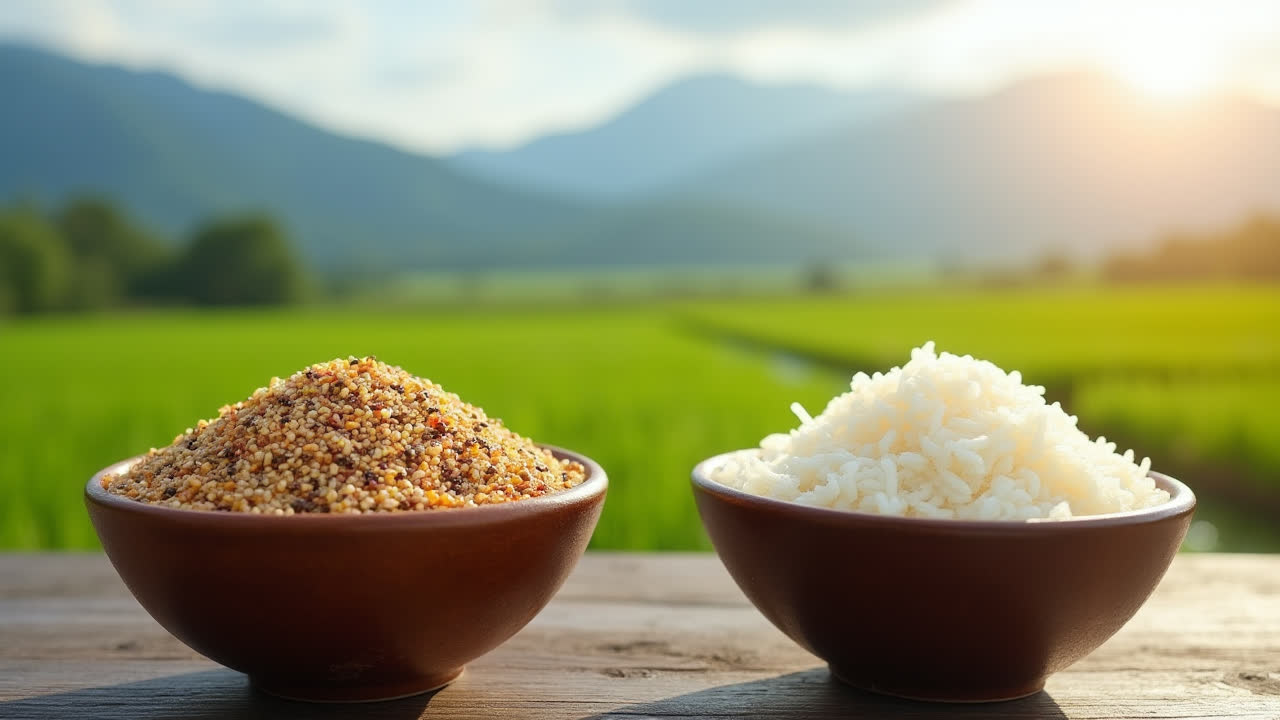
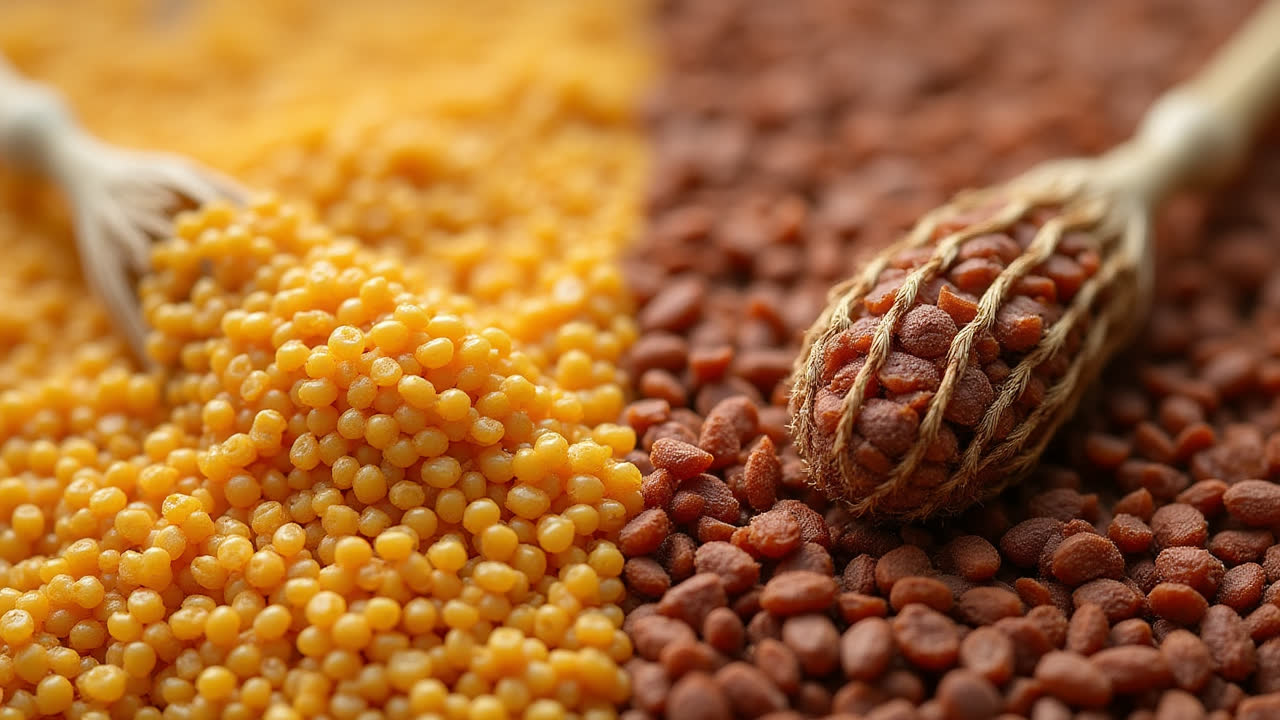
Millet grains are typically smaller than sorghum, with a more pronounced yellow color in many varieties. When cooked, millet can become soft and creamy or remain separate and fluffy depending on preparation. Sorghum grains are larger, more rounded, and often pale in color (though red, black, and bronze varieties exist). Cooked sorghum maintains a distinct chewy texture and integrity even with prolonged cooking—something I appreciate when I need a grain that won't become mushy in salads or soups.
Cooking Time and Methods
One practical difference I've found crucial in meal planning is cooking time. Millet cooks much faster than sorghum (15-20 minutes versus 45-60 minutes), making it more suitable for quick weeknight meals. Sorghum benefits significantly from soaking or pressure cooking to reduce cooking time. This difference in cooking requirements makes millet more convenient for spontaneous meal preparation, while sorghum requires more planning or alternative cooking methods.
Flavor Profile
Millet has a mild, slightly sweet flavor with nutty undertones that becomes more pronounced when toasted. Sorghum offers an earthier, more robust flavor that some describe as similar to wheat berries. I find that millet takes on the flavors of other ingredients more readily, while sorghum maintains its distinct character even in strongly flavored dishes. This makes millet more versatile as a background ingredient, while sorghum can stand up as a feature grain in heartier preparations.
Availability and Cost
In most Western markets, millet tends to be more widely available and slightly less expensive than whole grain sorghum, though this varies by region. Sorghum flour is becoming increasingly common in gluten-free product lines, while millet flour remains somewhat specialty. During my travels in Africa and Asia, I observed the opposite trend—sorghum was often more prevalent in local markets, reflecting regional growing conditions and culinary traditions.
Health Benefits and Considerations
Both millet and sorghum offer impressive health benefits, but there are some specific advantages and considerations for each grain that might influence your choice. As someone who initially turned to these grains for health reasons, I've experienced firsthand how they can contribute to overall wellness.
Digestive Health
Both grains are excellent sources of dietary fiber, supporting digestive health and promoting beneficial gut bacteria. However, millet contains slightly less fiber than sorghum. From personal experience, I've found that sorghum's higher fiber content makes it particularly satisfying and helpful for maintaining digestive regularity. Both grains contain resistant starch, which functions as a prebiotic, feeding beneficial gut bacteria and potentially improving colon health.
Blood Sugar Management
Millet and sorghum have low glycemic indices compared to many common grains, making them excellent choices for blood sugar management. Some studies suggest that finger millet, in particular, may help regulate blood glucose levels and improve insulin response. Sorghum contains tannins and resistant starch that may further slow sugar absorption. When I started incorporating these grains into my diet, I noticed more stable energy levels throughout the day—fewer afternoon crashes that had previously sent me reaching for caffeine or sugar.
Cardiovascular Benefits
The fiber, plant proteins, and various phytochemicals in both grains support heart health. Sorghum contains plant sterols that may help reduce cholesterol, while millet's high magnesium content supports healthy blood pressure. Both grains are naturally low in fat and sodium, making them heart-healthy choices as part of a balanced diet. My doctor actually noted improved cholesterol levels after I began regularly incorporating these ancient grains into my meals—a pleasant side effect I hadn't anticipated.
Antinutrient Considerations
Like many whole grains, both millet and sorghum contain antinutrients such as phytic acid, which can bind to minerals and reduce their absorption. Traditional preparation methods like soaking, sprouting, and fermentation can significantly reduce antinutrient content. I've adopted the habit of soaking both grains before cooking, not only to reduce cooking time but also to enhance nutrient availability. Some varieties of millet contain goitrogens, which in very large amounts could affect thyroid function in sensitive individuals. This isn't a concern with moderate consumption but might be considered by those with thyroid conditions.
Special Dietary Needs
Both grains shine as alternatives for those with special dietary needs. Their gluten-free status makes them essential for people with celiac disease or gluten sensitivity. Additionally, both grains are typically well-tolerated by those with various food allergies. For individuals following plant-based diets, these grains provide valuable protein, iron, and B vitamins that might otherwise be challenging to obtain in sufficient quantities.
Sustainability and Environmental Impact
In today's climate-conscious world, the environmental impact of our food choices matters more than ever. One of the most compelling reasons I've embraced millet and sorghum is their exceptional sustainability compared to many common grains. Both grains offer significant environmental advantages that make them increasingly relevant as we face global challenges like climate change and water scarcity.
Both millet and sorghum are remarkably drought-resistant crops that require significantly less water than conventional grains like rice or wheat. In fact, sorghum is often called a "camel crop" for its ability to survive with minimal moisture. This water efficiency makes these grains particularly valuable in regions facing water shortages. When I learned that producing one pound of rice requires about 500 gallons of water, while millet and sorghum need just a fraction of that, it transformed how I view my grain choices.
Additionally, both grains typically require fewer agricultural inputs such as fertilizers and pesticides compared to conventional crops. Many varieties have naturally evolved resistance to pests and diseases, reducing the need for chemical interventions. Their efficient nutrient uptake means they can grow in poorer soils without extensive fertilization. This lower input requirement translates to reduced environmental pollution and lower production costs for farmers, particularly in developing regions.
The resilience of these grains in the face of climate volatility is another significant advantage. Both can withstand temperature extremes and erratic rainfall patterns better than many staple crops. As climate change continues to disrupt traditional growing regions and conditions, crops like millet and sorghum offer critical food security. During a conversation with an agricultural expert, I was told that interest in these grains is surging precisely because they represent "climate-smart agriculture" at its best.
Frequently Asked Questions About Millet and Sorghum
Can millet and sorghum be substituted for each other in recipes?
Millet and sorghum can sometimes be substituted for each other, but with important considerations. Millet cooks much faster (15-20 minutes) than sorghum (45-60 minutes), so cooking times and liquid ratios would need significant adjustment. Millet becomes softer and can be creamy, while sorghum maintains a chewier texture even when fully cooked. For salads and dishes where grain integrity matters, these texture differences are important. Flavor-wise, millet is milder and more adaptable to different flavor profiles, while sorghum has a more distinct earthy taste. I've found that in porridges and creamy preparations, millet works better, while sorghum excels in hearty salads and grain bowls where texture is key.
Are millet and sorghum suitable for people with diabetes?
Yes, both millet and sorghum are generally considered beneficial for people managing diabetes. These grains have a lower glycemic index compared to many refined grains, meaning they cause a slower, more moderate rise in blood sugar levels. Both contain complex carbohydrates, fiber, and plant proteins that help slow digestion and sugar absorption. Some research specifically highlights finger millet's potential benefits for blood sugar regulation. When I was diagnosed with prediabetes, my nutritionist specifically recommended incorporating these ancient grains into my diet. However, portion control remains important, as they do contain carbohydrates. Anyone with diabetes should consult their healthcare provider about incorporating these grains into their personal meal plan.
How should millet and sorghum be stored to maintain freshness?
Both millet and sorghum should be stored in airtight containers in a cool, dry place away from direct sunlight. When properly stored, whole grains can maintain quality for up to one year at room temperature, though their shelf life extends significantly when refrigerated or frozen. Due to their natural oils, whole grain flours are more susceptible to rancidity than the intact grains. I keep whole grains in mason jars in my pantry for regular use, with backup supplies in the freezer for longer-term storage. After opening a package, I've noticed that millet in particular can develop a bitter taste if stored improperly or for too long. Refrigeration slows the oxidation process that leads to rancidity. Always check for any signs of moisture, unusual odor, or pests before using stored grains.
Conclusion: Choosing Between Millet and Sorghum
After exploring the similarities and differences between millet and sorghum, it's clear that both these ancient grains deserve a place in the modern kitchen. Rather than viewing them as competitors, I've come to appreciate how they complement each other in a balanced diet, each offering unique advantages depending on your specific needs and preferences.
For quick, versatile meals with a mild flavor that adapts well to various cuisines, millet often proves the more practical choice. Its shorter cooking time and adaptable texture make it particularly suitable for weeknight meals when time is limited. On the other hand, sorghum's robustness and chewy texture make it ideal for make-ahead salads, hearty grain bowls, and dishes where distinct grain integrity is desired. Its slightly higher fiber content and antioxidant levels might give it an edge for certain nutritional goals.
Why not experiment with both? My kitchen now regularly features these nutritional powerhouses, with millet often appearing in quick side dishes and breakfast porridges, while sorghum stars in meal-prep grain salads and heartier winter dishes. The environmental benefits of both grains add an extra layer of satisfaction to their consumption, knowing that these drought-resistant crops represent sustainable choices in our increasingly water-stressed world.
Whether you're exploring gluten-free options, seeking to diversify your nutritional intake, or simply looking to expand your culinary horizons, both millet and sorghum offer delicious possibilities worth discovering. Their ancient wisdom meets modern nutritional needs in a truly remarkable way, proving once again that sometimes the best solutions to contemporary challenges have been with us all along.