Oligosaccharides vs Polysaccharides: 6 Essential Differences Explained
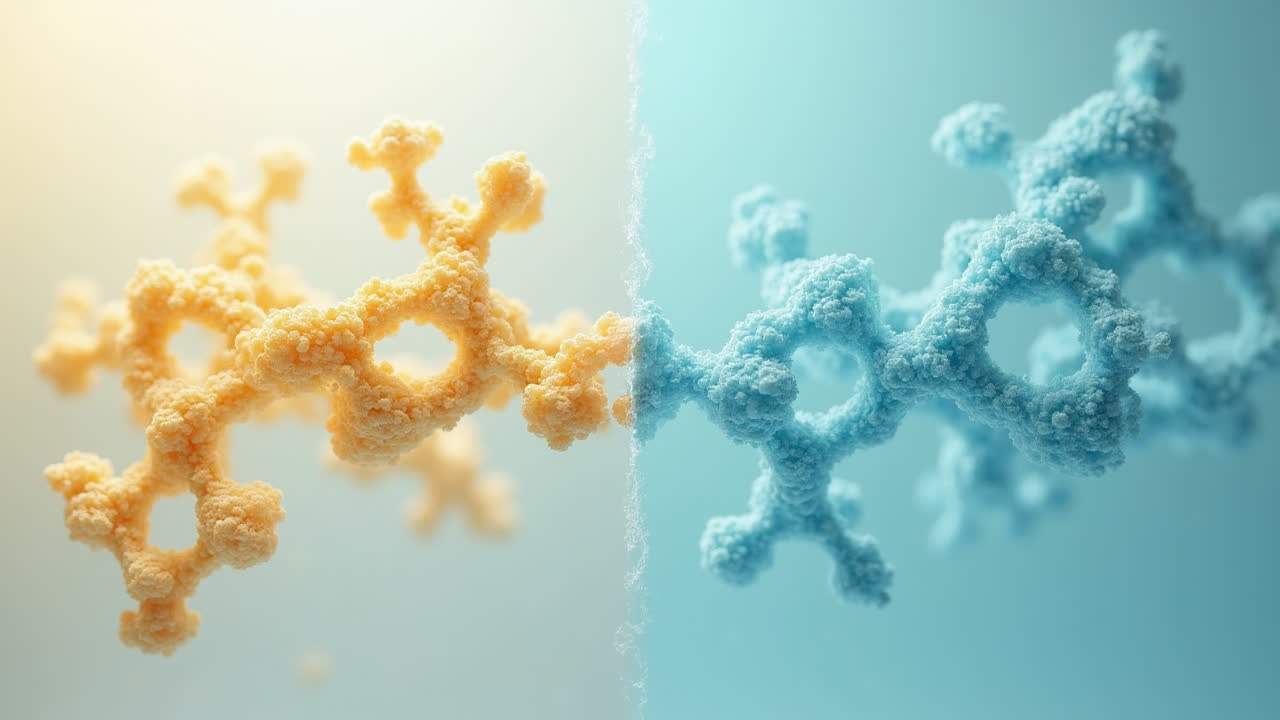
Oligosaccharides vs Polysaccharides: Essential Differences Explained
Understanding Carbohydrate Classifications
When diving into the world of biochemistry, carbohydrates stand as one of the fundamental macromolecules essential for life. Among these, oligosaccharides and polysaccharides represent two distinct categories that play crucial roles in nutrition and structural support within living organisms. But what exactly sets these two carbohydrate types apart?
Both oligosaccharides and polysaccharides are built from the same basic building blocks – simple sugar molecules called monosaccharides. These compounds share the empirical formula CH2O and connect through covalent bonds known as glycosidic linkages. Despite these similarities, the differences between them significantly impact their physical properties, biological functions, and how our bodies process them.
I've often found that understanding the distinction between these carbohydrate types helps clarify why certain foods affect our digestive systems differently. For instance, have you ever wondered why some complex carbs give you sustained energy while others cause rapid spikes in blood sugar? The answer lies partly in whether you're consuming oligosaccharides or polysaccharides.
In this comprehensive guide, we'll explore the fundamental differences between oligosaccharides and polysaccharides, examining their structural characteristics, biological functions, and practical significance in nutrition and health. Whether you're a student studying biochemistry or simply curious about the science behind your diet, this comparison will provide valuable insights into these essential biomolecules.
What Are Oligosaccharides?
Oligosaccharides are carbohydrates composed of a relatively small number of monosaccharide units joined together by glycosidic bonds. The term "oligo" comes from the Greek word meaning "few," accurately describing these molecules that typically contain between 3 and 10 monosaccharide units. This limited size gives oligosaccharides unique properties that distinguish them from their larger counterparts.
Structurally, oligosaccharides form through condensation reactions between monosaccharides. During this process, a water molecule is released as the glycosidic bond forms between the carbon atom of one sugar and the hydroxyl group of another. The relatively simple structure of oligosaccharides contributes to their water solubility, making them easily dissolved in aqueous environments within biological systems.
One characteristic that sets oligosaccharides apart is their sweet taste. Many oligosaccharides have a noticeable sweetness, though this property varies depending on their specific composition. Common examples include raffinose (found in vegetables and whole grains) and stachyose (present in various vegetables). These compounds contain combinations of glucose, galactose, and fructose arranged in different configurations.
In biological systems, oligosaccharides primarily function as transport molecules rather than storage compounds. They play essential roles in cellular recognition processes and membrane structures. Additionally, certain oligosaccharides serve as prebiotics in the human digestive system, promoting the growth of beneficial gut bacteria that contribute to overall health.
What Are Polysaccharides?
Polysaccharides represent the most abundant form of carbohydrates found in nature. These complex molecules consist of long chains of monosaccharide units – typically hundreds or even thousands – linked together through glycosidic bonds. The term "poly" derives from Greek, meaning "many," perfectly describing these extensive sugar polymers.
Unlike their smaller counterparts, polysaccharides exhibit remarkable structural diversity. They can form either linear chains or highly branched structures depending on the specific monosaccharides involved and how they connect. This structural complexity directly influences their physical properties and biological functions. For example, the highly branched structure of glycogen allows for rapid breakdown when energy is needed, while the linear arrangement of cellulose creates exceptional structural strength.
A defining characteristic of polysaccharides is their insolubility in water. Their large molecular size and complex structure prevent easy dissolution, allowing them to form stable structural components or energy reserves within cells. Additionally, polysaccharides lack the sweet taste associated with smaller sugar molecules – a characteristic I've noticed when comparing foods like table sugar (a disaccharide) with starchy foods like potatoes (containing polysaccharides).
In living organisms, polysaccharides serve two primary functions: energy storage and structural support. Starch and glycogen act as energy reserves in plants and animals respectively, while cellulose and chitin provide structural integrity to plant cell walls and arthropod exoskeletons. The versatility of these molecules makes them indispensable components of biological systems across all kingdoms of life.
Key Differences Between Oligosaccharides and Polysaccharides
Now that we've examined each type individually, let's directly compare oligosaccharides and polysaccharides across several key parameters. Understanding these differences helps clarify their distinct roles in biological systems and their various applications in fields ranging from nutrition to medicine.
| Characteristic | Oligosaccharides | Polysaccharides |
|---|---|---|
| Number of Monosaccharide Units | Typically 3-10 units (rarely up to 20) | Usually more than 200 units, often thousands |
| Structural Complexity | Relatively simple structures | Complex structures (linear or branched) |
| Water Solubility | Generally water-soluble | Generally insoluble in water |
| Taste | Often sweet | Non-sweet |
| Primary Biological Function | Transport molecules, cellular recognition | Energy storage, structural components |
| Digestibility | More easily digested | Require specific enzymes for breakdown |
| Common Examples | Raffinose, stachyose, maltotriose | Starch, cellulose, glycogen, chitin |
| Commercial Applications | Prebiotics, sweeteners, food additives | Thickening agents, textural components, dietary fiber |
Biological Importance and Applications
The structural and functional differences between oligosaccharides and polysaccharides translate into distinct biological roles and practical applications. These differences have significant implications for nutrition, health, and various industrial processes.
In human nutrition, oligosaccharides often serve as prebiotics – non-digestible food components that promote the growth of beneficial gut microorganisms. For example, fructooligosaccharides (FOS) and galactooligosaccharides (GOS) selectively stimulate the growth of Bifidobacteria and other beneficial bacteria in the colon. This prebiotic effect can enhance digestive health, boost immune function, and potentially reduce the risk of various gastrointestinal disorders.
Meanwhile, polysaccharides contribute to dietary fiber, which plays essential roles in digestive health and metabolic regulation. Insoluble polysaccharides like cellulose provide bulk to feces and promote intestinal transit, while soluble polysaccharides such as pectins can help regulate blood glucose and cholesterol levels. These effects highlight why nutritionists often emphasize consuming a variety of fiber types through diverse plant foods.
Beyond their nutritional significance, both carbohydrate types find applications in various industries. In food production, polysaccharides serve as thickening agents, stabilizers, and textural enhancers in products ranging from yogurt to salad dressings. Meanwhile, certain oligosaccharides function as alternative sweeteners with lower caloric content than traditional sugars, making them valuable in developing reduced-calorie food products.
In the pharmaceutical and medical fields, these carbohydrates play roles in drug delivery systems, wound healing products, and diagnostic tools. The specific properties of each carbohydrate type – such as water solubility, structural stability, or bioactivity – determine their suitability for particular applications, demonstrating the practical importance of understanding the fundamental differences between oligosaccharides and polysaccharides.
Frequently Asked Questions About Oligosaccharides and Polysaccharides
How do oligosaccharides differ from disaccharides?
Oligosaccharides and disaccharides differ primarily in their size and complexity. Disaccharides consist of exactly two monosaccharide units joined by a glycosidic bond, making them the simplest form of complex carbohydrates. Common examples include sucrose (table sugar), lactose (milk sugar), and maltose. In contrast, oligosaccharides contain three to ten monosaccharide units, creating more complex structures with different physical properties and biological functions. While both categories share characteristics like water solubility and sweet taste, oligosaccharides typically have more varied biological roles, including functions in cellular recognition and prebiotic activity.
Can humans digest all types of polysaccharides?
No, humans cannot digest all types of polysaccharides. We produce enzymes that can break down certain polysaccharides like starch (amylase) and glycogen, converting them into simpler sugars for energy. However, we lack the necessary enzymes to digest structural polysaccharides such as cellulose and chitin. These indigestible polysaccharides pass through our digestive system relatively intact, functioning as dietary fiber. While we cannot extract energy directly from these compounds, they provide important benefits for digestive health by adding bulk to stool, promoting beneficial gut bacteria growth, and helping regulate nutrient absorption. This selective digestibility explains why a potato (containing starch) provides calories, while the cellulose in celery primarily contributes to fiber content.
What role do oligosaccharides play in human breast milk?
Human milk oligosaccharides (HMOs) are a diverse group of complex sugars that represent the third most abundant solid component in human breast milk after lactose and lipids. These specialized oligosaccharides serve several critical functions in infant development and health. Their primary role is prebiotic activity – they selectively promote the growth of beneficial bacteria like Bifidobacterium in the infant gut, helping establish a healthy microbiome. Additionally, HMOs function as decoy receptors that can bind to pathogens, preventing them from attaching to intestinal cells and causing infection. They also support immune system development and may contribute to brain development. Interestingly, human milk contains a greater diversity and concentration of oligosaccharides than the milk of other mammals, suggesting their evolutionary importance in human infant development.
Conclusion
The distinction between oligosaccharides and polysaccharides extends far beyond simple classification – it fundamentally shapes how these molecules function in biological systems and how they can be applied in various contexts. While both derive from the same basic building blocks (monosaccharides), their structural differences lead to distinct properties that determine everything from their digestibility to their commercial applications.
Oligosaccharides, with their relatively small size (3-10 monosaccharide units), tend to be water-soluble, somewhat sweet, and primarily function as transport and recognition molecules. Their role as prebiotics highlights their nutritional significance despite not serving as primary energy sources. In contrast, polysaccharides contain hundreds or thousands of monosaccharide units, forming large, complex structures that typically remain insoluble in water. These larger carbohydrates excel as energy storage molecules and structural components, forming the backbone of countless biological structures.
Understanding these differences provides valuable insight into how carbohydrates function in our bodies and throughout the natural world. It explains why certain foods affect blood sugar differently, why some fibers benefit gut health, and how carbohydrate chemistry influences countless industrial applications. As research continues to unveil the nuanced roles of different carbohydrate structures, our appreciation for the distinct properties of oligosaccharides and polysaccharides will only deepen, potentially opening new avenues for their application in nutrition, medicine, and beyond.