Propylene Glycol vs Glycerin: Key Differences & Uses
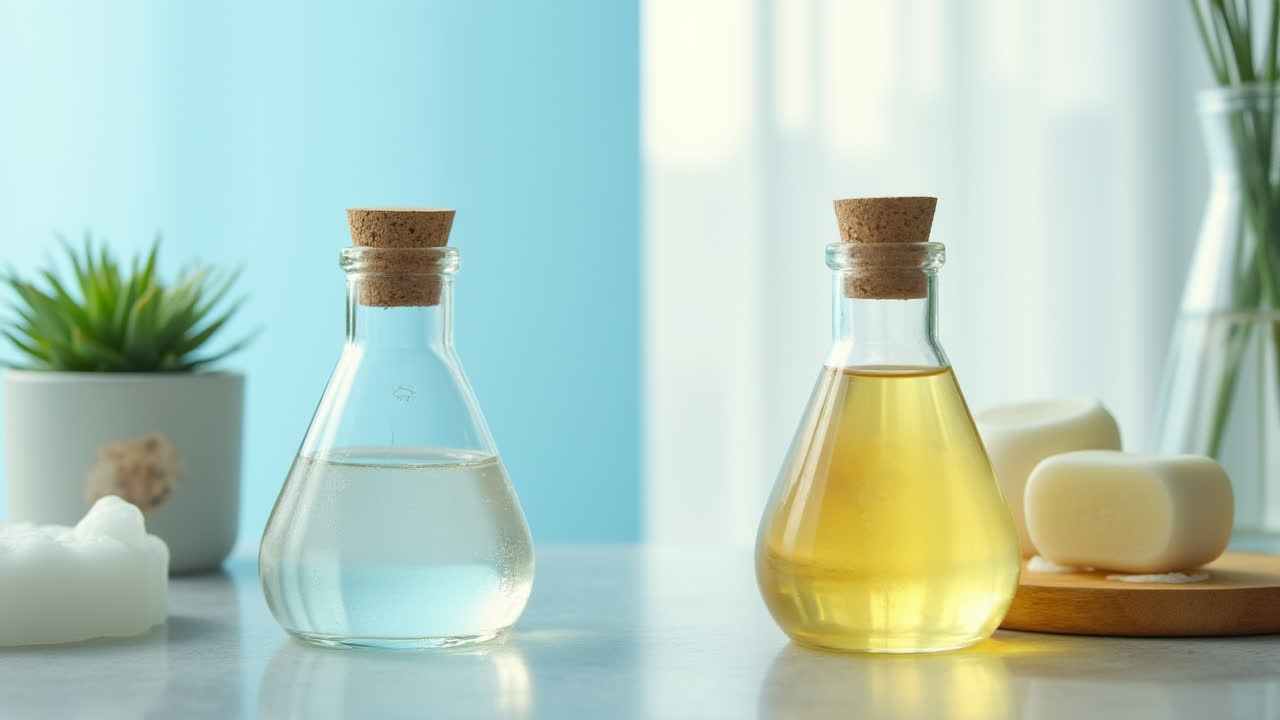
When browsing ingredient lists on cosmetics, e-liquids, or food products, you've likely encountered both propylene glycol and glycerin. At first glance, these clear, syrupy substances seem remarkably similar – both are colorless, odorless, and have a sweet taste. However, understanding the difference between these two compounds is crucial, especially considering that one has significantly higher toxicity levels than the other.
I've spent years researching cosmetic and food ingredients, and one question I receive constantly is about these two substances. Are they interchangeable? Is one safer than the other? The answers aren't as straightforward as you might think. While they share some physical properties, propylene glycol and glycerin have distinct chemical structures that lead to different applications, safety profiles, and performance characteristics.
In this comprehensive guide, I'll break down everything you need to know about these common ingredients. We'll examine their chemical structures, physical properties, production methods, common uses, and safety considerations. By the end, you'll have a clear understanding of which substance might be better suited for your specific needs – whether you're formulating products, checking ingredient lists, or simply satisfying your curiosity about these ubiquitous substances.
What is Propylene Glycol?
Propylene glycol is a synthetic organic compound with the chemical formula C₃H₈O₂. Its IUPAC name is propane-1,2-diol, and it belongs to the alcohol family of compounds. What makes propylene glycol distinct is its molecular structure containing two hydroxyl (-OH) groups attached to a three-carbon backbone. This structure gives it unique properties that make it valuable in various industries, despite some concerns about its safety profile.
At room temperature, propylene glycol appears as a clear, colorless liquid with a slightly sweet taste. It has a molar mass of approximately 76.1 g/mol and a density of about 1.03 g/cm³. One of its most notable physical characteristics is its low melting point of approximately -59°C, which contributes to its effectiveness as an antifreeze agent. Have you ever wondered why some products remain liquid even in freezing temperatures? Propylene glycol might be the answer.
Chemically speaking, propylene glycol contains an asymmetric carbon atom, making it a chiral molecule that exists as a pair of enantiomers. Its alcohol groups enable hydrogen bonding, which explains its complete miscibility with water. When mixed with water, propylene glycol disrupts ice formation by interfering with water molecules' ability to form a crystalline structure. This property is what makes it so valuable as an anti-freezing agent in various applications.
The viscosity of propylene glycol is higher than water, giving it that characteristic syrupy consistency that flows slowly. Despite its somewhat thick texture, it has a negligible vapor pressure, meaning it doesn't evaporate significantly under normal conditions. This stability makes it ideal for products where ingredient evaporation would be problematic.
What is Glycerin?
Glycerin, also commonly called glycerol, is an organic compound with the chemical formula C₃H₈O₃. Its IUPAC name is propane-1,2,3-triol. The most distinctive feature of glycerin is its three hydroxyl (-OH) groups attached to a three-carbon chain, classifying it as a polyol or sugar alcohol. This triple hydroxyl structure gives glycerin exceptional hydrophilic properties – it literally loves water!
Like propylene glycol, glycerin appears as a colorless, odorless liquid with a sweet taste at room temperature. However, it has a higher molar mass of approximately 92 g/mol and a greater density of about 1.2 g/cm³. One striking difference is its melting point of approximately 17.8°C – much higher than propylene glycol. This means that in colder environments, glycerin might solidify while propylene glycol remains liquid.
I've always been fascinated by how glycerin feels on the skin – that distinctive slippery yet slightly tacky sensation. This tactile quality comes from its high viscosity combined with its incredible moisture-attracting ability. The presence of three hydroxyl groups enables glycerin to form extensive hydrogen bonds with water molecules, making it completely miscible with water and giving it powerful humectant properties.
Glycerin occurs naturally in the triglycerides found in both plant and animal sources, though it can also be synthesized from propylene. The natural derivation is one reason many people prefer glycerin in their personal care products. In my experience formulating natural skincare, customers often specifically request glycerin-based products rather than those containing propylene glycol, primarily due to glycerin's natural origins and excellent safety profile.
Comparison Table: Propylene Glycol vs Glycerin
| Feature | Propylene Glycol | Glycerin |
|---|---|---|
| Chemical Formula | C₃H₈O₂ | C₃H₈O₃ |
| IUPAC Name | Propane-1,2-diol | Propane-1,2,3-triol |
| Hydroxyl Groups | Two (-OH) groups | Three (-OH) groups |
| Molar Mass | 76.1 g/mol | 92 g/mol |
| Melting Point | -59°C | 17.8°C |
| Density | 1.03 g/cm³ | 1.2 g/cm³ |
| Toxicity | Potentially toxic in large amounts | Non-toxic |
| Origin | Synthetic | Natural or synthetic |
Key Differences Between Propylene Glycol and Glycerin
The most fundamental difference between propylene glycol and glycerin lies in their chemical structure. While both have a three-carbon backbone, glycerin possesses three hydroxyl groups compared to propylene glycol's two. This seemingly small difference significantly impacts their properties and applications. The additional hydroxyl group in glycerin makes it more hydrophilic and gives it stronger humectant properties – essentially, glycerin can attract and hold more water than propylene glycol can.
Another critical distinction is their safety profiles. Propylene glycol is considered potentially toxic, especially in large amounts, while glycerin is generally recognized as non-toxic. This difference is particularly important in food, pharmaceutical, and cosmetic applications where safety is paramount. I've noticed that many of my clients with sensitive skin react poorly to propylene glycol but tolerate glycerin beautifully. This anecdotal evidence aligns with research showing that propylene glycol has a higher potential for causing skin irritation and allergic reactions.
Their physical properties also differ significantly. Glycerin has a higher melting point (17.8°C) compared to propylene glycol's much lower melting point (-59°C). This means that in cold environments, glycerin might solidify while propylene glycol remains liquid. Additionally, glycerin is more viscous than propylene glycol, which affects how they perform in various formulations and applications.
The origin of these compounds also differs. Propylene glycol is primarily synthetic, while glycerin can be obtained from both natural sources (as a byproduct of soap making or from plant and animal fats) and synthetic processes. For manufacturers and consumers concerned with natural or sustainable ingredients, this distinction may influence their choice between the two substances.
In terms of moisture retention capabilities, glycerin generally outperforms propylene glycol. Its three hydroxyl groups allow it to form more hydrogen bonds with water molecules, making it a more effective humectant. This is why you'll often find glycerin in moisturizing products where intense hydration is the primary goal. However, this same property can sometimes be a disadvantage – in very dry conditions, glycerin might actually draw moisture from deeper skin layers if insufficient water is available in the environment.
Common Applications and Uses
Propylene Glycol Applications
Despite its toxicity concerns in large amounts, propylene glycol finds wide application across numerous industries. One of its major uses is as a chemical feedstock for producing unsaturated polyester resins. Its ability to lower the freezing point of water makes it an excellent de-icing fluid for aircraft and an anti-freezing agent in various systems.
In the pharmaceutical industry, propylene glycol serves as a solvent for medications that aren't water-soluble. You'll find it in oral, injectable, and topical pharmaceutical formulations. It's also commonly used in e-cigarette liquids as a base that carries flavor and nicotine. In the food industry, propylene glycol functions as a food additive (E1520), helping to maintain moisture in processed foods and as a solvent for food colors and flavors.
The cosmetics industry utilizes propylene glycol as a humectant in moisturizers, as a preservative, and as a solvent that helps active ingredients penetrate the skin. It's particularly common in water-based personal care products like shampoos, conditioners, and body washes. In industrial applications, propylene glycol serves as a heat transfer fluid in HVAC systems and as an ingredient in brake and hydraulic fluids.
Glycerin Applications
Glycerin's excellent safety profile and versatility make it a preferred ingredient in many applications. In the food industry, it functions as a sweetener, solvent, and preservative. You've probably consumed glycerin in various processed foods without realizing it – it helps maintain moisture and prevents sugar crystallization in confections and baked goods.
The pharmaceutical industry extensively uses glycerin in cough syrups, capsules, and suppositories. Its lubricating properties make it valuable in eye drops and other medical solutions. When I had a persistent dry cough last winter, the glycerin in my cough syrup not only sweetened the medicine but also soothed my irritated throat lining – a perfect example of its dual functionality.
In cosmetics and personal care products, glycerin reigns supreme as a humectant in moisturizers, soaps, shampoos, and toothpaste. Its ability to attract and retain moisture makes skin feel hydrated and soft. Natural soap makers often prize the glycerin byproduct of their saponification process, as it contributes to the soap's moisturizing properties.
Like propylene glycol, glycerin can function as an antifreeze agent due to its ability to form strong hydrogen bonds with water molecules. It's also used as a lubricant in various mechanical applications and as a plasticizer in certain manufacturing processes. The versatility of glycerin extends to unexpected areas – from the preservation of botanical specimens to components in printing inks.
Safety and Toxicity Considerations
The toxicity difference between propylene glycol and glycerin is perhaps their most significant distinguishing factor from a consumer perspective. Propylene glycol is considered potentially toxic, particularly in large amounts. Prolonged contact with skin or eyes can cause irritation or injury. While trace amounts in products are generally considered safe by regulatory agencies, sensitivity varies among individuals.
I once had a client who developed a mysterious rash that persisted for months. After extensive testing, her dermatologist identified propylene glycol sensitivity as the culprit. Once she eliminated products containing this ingredient, her skin cleared within weeks. This experience isn't uncommon – propylene glycol allergies affect approximately 1-3% of the population, according to some studies.
In contrast, glycerin is generally recognized as non-toxic and safe for consumption and topical application. It has a long history of safe use in foods, pharmaceuticals, and cosmetics. Even in relatively large amounts, glycerin typically doesn't cause adverse effects, though consuming excessive quantities can lead to digestive discomfort due to its osmotic effects.
Regulatory bodies worldwide, including the FDA in the United States and the European Food Safety Authority, classify glycerin as safe for various applications. This favorable safety profile makes glycerin the preferred choice for many manufacturers, particularly those creating products for individuals with sensitive skin or for children. When formulating my own skincare line, I consistently chose glycerin over propylene glycol specifically because of these safety considerations.
Which Should You Choose?
The choice between propylene glycol and glycerin depends entirely on your specific needs and priorities. If safety is your primary concern, particularly for products that will be ingested or applied to sensitive skin, glycerin generally represents the safer choice due to its non-toxic nature and natural origin options.
For applications requiring excellent moisture retention, glycerin typically outperforms propylene glycol due to its three hydroxyl groups, which allow it to attract and hold more water. However, in very dry environments, this same property might become problematic as glycerin could potentially draw moisture from deeper skin layers if insufficient environmental moisture is available.
If you're working in cold environments or need antifreeze properties, propylene glycol's significantly lower melting point (-59°C compared to glycerin's 17.8°C) makes it more effective. This is why propylene glycol is often preferred in industrial applications requiring antifreeze properties.
Cost considerations might also influence your decision. Traditionally, propylene glycol has been less expensive than glycerin, though market prices fluctuate based on raw material costs and supply-demand dynamics. For budget-conscious formulations, propylene glycol might offer cost advantages.
When formulating products, keep in mind that these substances have different viscosities and solvent properties. Glycerin is more viscous than propylene glycol, which affects the texture and feel of the final product. Through trial and error in my own formulations, I've found that sometimes a blend of both ingredients provides the optimal balance of properties for certain applications.
Frequently Asked Questions
Can propylene glycol and glycerin be used interchangeably?
While propylene glycol and glycerin share some similar properties, they cannot always be used interchangeably. Glycerin has stronger humectant properties due to its three hydroxyl groups, making it more effective for moisture retention. Propylene glycol has a much lower freezing point, making it better for antifreeze applications. Additionally, safety profiles differ significantly – glycerin is non-toxic, while propylene glycol can cause irritation or allergic reactions in sensitive individuals. The choice depends on specific application requirements, safety considerations, and desired product performance characteristics.
Is glycerin better than propylene glycol for skin care products?
For most skincare applications, glycerin is often considered superior to propylene glycol. Glycerin offers excellent humectant properties without the potential irritation or allergic reactions associated with propylene glycol. It's particularly beneficial for sensitive skin formulations. Glycerin also provides a smoother feel on the skin and can be derived from natural sources, which appeals to consumers seeking natural ingredients. However, propylene glycol does have advantages in certain formulations, particularly when a less viscous texture is desired or when its solvent properties are needed to deliver active ingredients. Many high-quality skincare products use both ingredients strategically to optimize formulation performance.
Why is propylene glycol used if it's potentially toxic?
Propylene glycol continues to be widely used despite toxicity concerns for several reasons. First, regulatory agencies have deemed it safe at the concentration levels typically used in consumer products – toxicity generally only becomes an issue with very high exposure. Second, it offers unique functional benefits, including excellent solvent properties, antifreeze capabilities, and preservation enhancement. It's also typically less expensive than glycerin, making it cost-effective for manufacturers. Additionally, propylene glycol has lower viscosity than glycerin, providing better texture in certain formulations. While alternatives like glycerin exist, propylene glycol's combination of functional properties and cost-effectiveness keeps it in wide use across industries, though manufacturers increasingly offer propylene glycol-free options for sensitive individuals.
Conclusion
Understanding the differences between propylene glycol and glycerin is essential whether you're formulating products, checking ingredient lists, or simply curious about what goes into the items you use daily. While these clear, syrupy substances may appear similar at first glance, their distinct chemical structures result in different properties, applications, and safety profiles.
Propylene glycol, with its two hydroxyl groups, offers excellent antifreeze properties and functions well as a solvent, but comes with potential toxicity concerns, particularly for sensitive individuals. Glycerin, with three hydroxyl groups, provides superior moisturizing benefits and has an excellent safety profile, making it the preferred choice for many food, pharmaceutical, and cosmetic applications.
The next time you encounter these ingredients on a label, you'll have the knowledge to make informed decisions based on your specific needs and priorities. Remember that neither substance is inherently "better" than the other – each has its optimal applications and limitations. The right choice depends entirely on the specific requirements of your particular situation.
Have you noticed either of these ingredients in products you use regularly? Now that you understand their differences, you might start seeing them everywhere – and appreciating the specific benefits each brings to your favorite products.
References:
- http://www.livestrong.com/article/116991-properties-propylene-glycol/
- https://en.wikipedia.org/wiki/Glycerol
- http://www.livestrong.com/article/69766-glycerine-vs.-glycol/
- https://commons.wikimedia.org/w/index.php?curid=105596
- https://commons.wikimedia.org/w/index.php?curid=2008348
- https://commons.wikimedia.org/w/index.php?curid=23243655