Quinoa vs Rice: Which Grain Is Healthier for Your Diet?
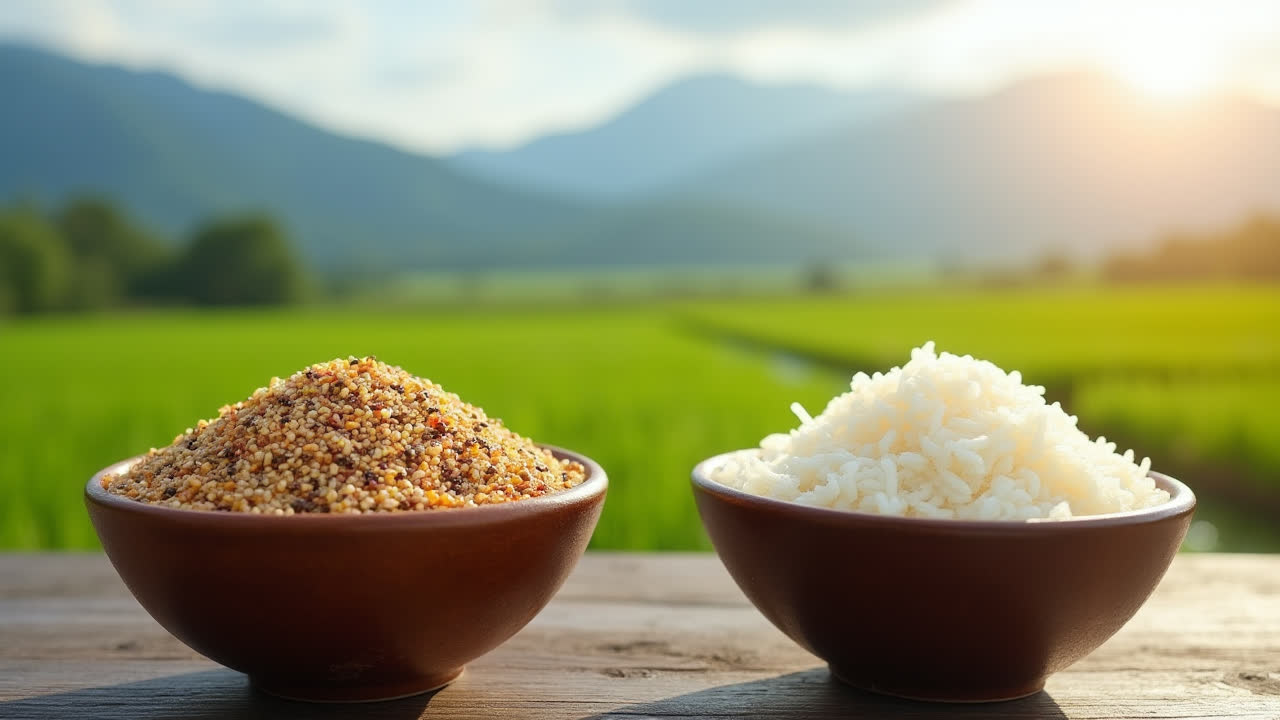
When it comes to choosing healthy staples for your meals, quinoa and rice are two popular options that often compete for space on our plates. But how do these seemingly similar foods actually compare? Are you wondering if you should swap your rice for quinoa, or stick with your trusted grain? The nutritional differences between these two foods might surprise you and could significantly impact your health goals.
I've been experimenting with both in my kitchen for years, and I've noticed how differently my body responds to each. Have you ever felt incredibly full after a rice-heavy meal but somehow still hungry an hour later? There might be a scientific explanation for that! Let's dive into the fascinating world of these two dietary staples and uncover which might be better suited for your specific needs.
What Is Quinoa? The "Mother Grain" That's Not Actually a Grain
Despite often being categorized with grains, quinoa is technically a seed of the Chenopodium quinoa plant, commonly known as the goosefoot plant. This ancient food was a staple for the Incas, who revered it as the "mother grain." Although we prepare and eat it just like we do with grains, this botanical distinction contributes to quinoa's unique nutritional profile.
One cup of cooked quinoa delivers about 8 grams of protein, but it's not just the amount that matters. Quinoa contains all nine essential amino acids, making it a complete protein source – something rare in the plant world. This makes quinoa particularly valuable for vegetarians and vegans who might struggle to get complete proteins in their diet.
I remember the first time I cooked quinoa – I didn't rinse it properly and ended up with a bitter-tasting meal. That's because quinoa seeds are naturally coated with saponins, compounds that can taste soapy or bitter. Nowadays, most commercial quinoa comes pre-rinsed, but I still give it a quick rinse under cold water just to be safe. Have you noticed that slight crunch that remains even when quinoa is fully cooked? That's the germ of the seed, which separates slightly during cooking and gives quinoa its unique texture.
Beyond protein, quinoa is a micronutrient powerhouse. It delivers impressive amounts of iron, magnesium, phosphorus, manganese, and zinc. It's particularly rich in folate, an essential B-vitamin that supports DNA synthesis and brain cell communication. With 39 grams of carbohydrates per cup, it contains fewer carbs than many grains, making it a better option for those watching their carb intake. However, with 222 calories per cup, it is slightly more calorie-dense than some alternatives.
What Is Rice? The World's Most Consumed Grain
Rice is a true cereal grain, harvested from the seeds of the Asian swamp grass Oryza sativa. As the primary staple food for more than half the world's population, rice comes in hundreds of varieties, but we generally classify it into two main types: brown and white rice.
Brown rice undergoes minimal processing – only the inedible outer hull is removed, leaving the bran, germ, and endosperm intact. This minimal processing preserves much of the grain's nutritional value, including its fiber content. White rice, on the other hand, has had the bran and germ removed, leaving only the starchy endosperm. This gives white rice its characteristic light color and quicker cooking time, but also strips away many nutrients.
I've always found it interesting how different cultures have their preferred rice varieties. In my household growing up, we typically used long-grain white rice for everyday meals, but special occasions called for aromatic basmati or jasmine rice. What type of rice is a staple in your kitchen?
When it comes to nutrition, a cup of cooked brown rice provides about 45 grams of carbohydrates and approximately 4-5 grams of protein. While this protein content is lower than quinoa's, rice makes up for it with about 6 grams of dietary fiber per cup – slightly more than quinoa offers. This fiber content supports digestive health, helps you feel full longer, and promotes the growth of beneficial gut bacteria.
Brown rice contains important micronutrients like magnesium, phosphorus, manganese, and selenium, though it falls short in calcium, copper, and zinc compared to quinoa. It's particularly rich in niacin (vitamin B3), which supports healthy blood flow, nerve function, and skin health. With 218 calories per cup, brown rice is slightly less calorie-dense than quinoa, potentially making it more suitable for weight management goals.
Nutritional Comparison: Quinoa vs Rice
| Nutritional Aspect | Quinoa (1 cup cooked) | Rice (1 cup cooked, brown) |
|---|---|---|
| Calories | 222 | 218 |
| Carbohydrates | 39g (lower) | 45g (higher) |
| Protein | 8g (complete protein) | 4-5g (incomplete protein) |
| Fiber | 5g | 6g |
| Key Micronutrients | Iron, calcium, magnesium, potassium, zinc | Magnesium, phosphorus, manganese, selenium |
| Key Vitamins | Folate (B9) | Niacin (B3) |
| Botanical Classification | Seed (not a true grain) | Cereal grain |
| Gluten Content | Gluten-free | Gluten-free |
Key Differences Between Quinoa and Rice
While both quinoa and rice provide carbohydrates and can form the base of a nutritious meal, several key differences affect how they might fit into your diet:
1. Protein Quality and Quantity
The most significant advantage quinoa has over rice is its protein content – not just the higher amount (8g vs. 4-5g per cup) but also its quality. Quinoa contains all nine essential amino acids in balanced proportions, making it a complete protein similar to animal products. Rice protein lacks adequate amounts of certain amino acids, particularly lysine, making it an incomplete protein.
2. Carbohydrate Content
Rice contains more carbohydrates than quinoa (45g vs. 39g per cup), making quinoa a better choice for those following low-carb diets or managing blood sugar levels. This difference might seem small, but it can add up over multiple servings and make quinoa a better option for weight management or diabetes control.
3. Micronutrient Profile
While both foods provide various micronutrients, quinoa generally offers a more comprehensive and abundant mineral profile. It contains significantly more iron, zinc, potassium, and calcium than rice. However, brown rice does provide good amounts of manganese and selenium, which support antioxidant functions in the body.
4. Origin and Cultivation
Another interesting difference lies in where these foods are traditionally grown. Quinoa thrives in the harsh conditions of the Andean highlands, where it has been cultivated for thousands of years. This resilience contributes to its dense nutritional profile. Rice, meanwhile, requires water-rich environments and is predominantly grown in the warm, humid climates of Asia, though it's now cultivated worldwide.
I've found that understanding these differences helps me make better choices based on my specific needs. For instance, after a workout when protein is crucial for muscle recovery, I'll opt for quinoa. But when I need something lighter that pairs well with certain dishes, rice is often my go-to. How might these differences influence your food choices?
Which Is Better for Your Diet Goals?
The "better" choice between quinoa and rice ultimately depends on your specific health goals and dietary preferences:
For Weight Management
If you're watching your weight, both can be healthy options when consumed in moderate portions. Rice has slightly fewer calories per cup, but quinoa's higher protein content might help you feel fuller longer, potentially reducing overall calorie intake. The lower carbohydrate content in quinoa also makes it a better choice for calorie-controlled diets.
For Muscle Building
Quinoa's complete protein profile makes it superior to rice for muscle building and recovery. While 8 grams of protein per cup isn't enough to meet your protein needs alone, it contributes more significantly than rice and provides essential amino acids that support muscle synthesis.
For Energy and Endurance
Rice, with its higher carbohydrate content, might be preferable for athletes needing quick energy before endurance activities. Many endurance athletes rely on the clean, easily digestible carbohydrates in white rice as part of their pre-event fueling strategy.
For Digestive Health
Brown rice contains slightly more fiber than quinoa, potentially making it better for digestive health and regularity. However, both provide beneficial amounts of fiber that support a healthy gut microbiome.
In my experience, incorporating both into your diet offers the most balanced approach. I typically use quinoa when I need a more nutritionally dense meal with higher protein, and rice when I want something lighter or need more carbohydrates. It doesn't have to be an either-or decision – why not enjoy the benefits of both?
Frequently Asked Questions About Quinoa and Rice
Is quinoa healthier than rice for weight loss?
Quinoa generally offers more advantages for weight loss compared to rice. Despite having slightly more calories per cup (222 vs. 218), quinoa contains less carbohydrates (39g vs. 45g) and significantly more protein (8g vs. 4-5g). The higher protein content helps promote fullness and satiety, potentially reducing overall calorie intake throughout the day. Additionally, quinoa has a lower glycemic index than white rice, meaning it causes a slower rise in blood sugar, which helps control hunger and cravings. However, portion control remains important with both foods as part of a weight loss strategy.
Can quinoa and rice be cooked together?
Yes, quinoa and rice can be cooked together to create a nutritionally balanced grain mixture. To cook them together successfully, it's best to use varieties with similar cooking times, such as white rice and quinoa (both take about 15-20 minutes). For brown rice, which takes longer to cook (about 40 minutes), you would need to give it a head start before adding the quinoa. First, rinse both grains separately. Then combine them in a pot with the appropriate water ratio (generally 2 cups of water for 1 cup of mixed grains), bring to a boil, reduce heat, cover, and simmer until water is absorbed and both grains are tender. This combination provides complementary amino acids, creating a more complete protein profile.
Are quinoa and rice both gluten-free?
Yes, both quinoa and rice are naturally gluten-free, making them excellent choices for people with celiac disease, gluten sensitivity, or those following a gluten-free diet. However, cross-contamination can occur during processing or packaging in facilities that also handle gluten-containing grains. For those with severe gluten intolerance or celiac disease, it's advisable to purchase quinoa and rice products that are certified gluten-free to ensure they haven't been cross-contaminated. Additionally, be cautious with flavored or seasoned rice and quinoa products, as added ingredients might contain gluten.
Conclusion: Embracing Both in a Balanced Diet
Both quinoa and rice have earned their places in a healthy diet, each offering unique nutritional benefits. Quinoa stands out for its exceptional protein quality and quantity, lower carbohydrate content, and impressive micronutrient profile – making it particularly valuable for those following plant-based diets or looking to reduce carb intake while maintaining nutrition.
Rice, particularly brown rice, offers slightly more fiber and provides those clean, easily digestible carbohydrates that have fueled populations around the world for millennia. Its milder flavor and versatile texture make it an excellent canvas for countless dishes across global cuisines.
Rather than viewing these foods as competitors, consider them complementary options in your nutritional arsenal. I've found that rotating between them based on my specific meal needs and health goals provides the most balanced approach. Some days I need the extra protein boost from quinoa, while other times the comfort and familiarity of rice is exactly what my meal calls for.
Have you tried incorporating both into your diet? Which do you prefer for different types of meals? Whatever your preference, both these foods offer nutritious alternatives to less healthy carbohydrate sources and deserve consideration in a well-rounded diet.
References:
- https://www.healthline.com/nutrition/11-proven-benefits-of-quinoa
- https://www.webmd.com/food-recipes/ss/slideshow-food-rice-essentials
- https://commons.wikimedia.org/w/index.php?curid=3968638
- https://commons.wikimedia.org/w/index.php?curid=9486992
- https://commons.wikimedia.org/w/index.php?curid=23632640
- https://commons.wikimedia.org/w/index.php?curid=40887642