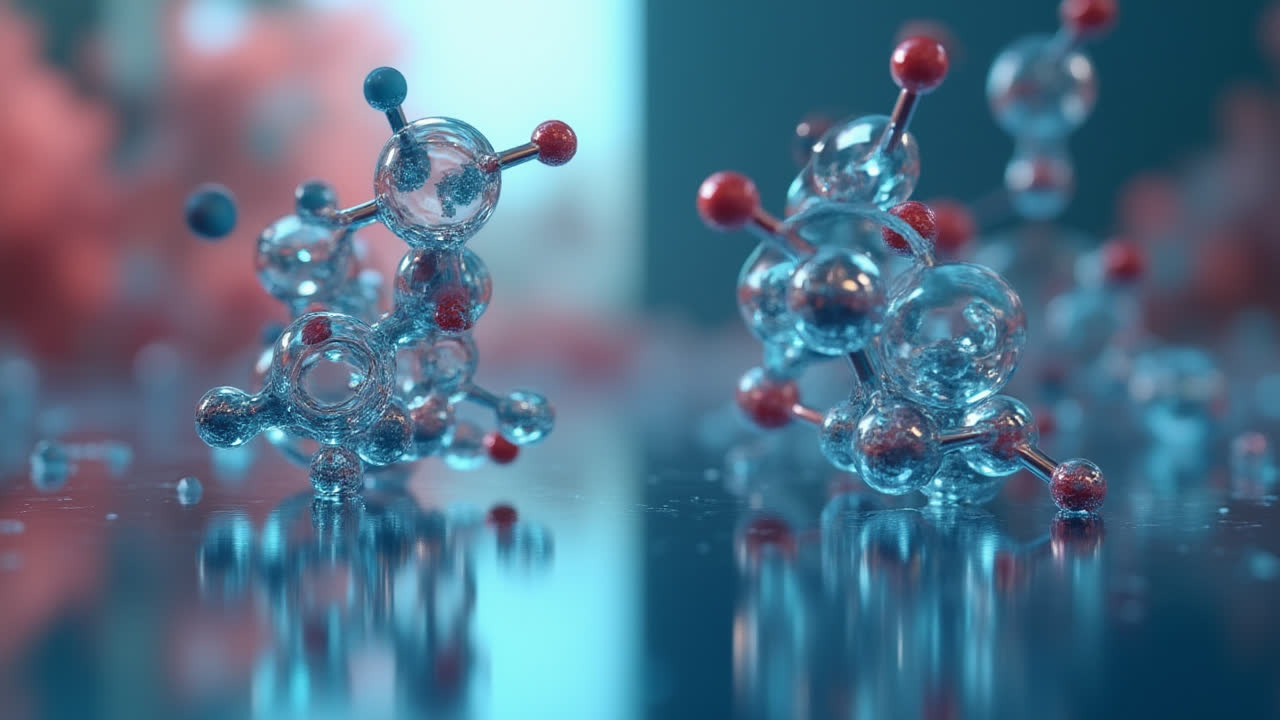
Roasting vs Calcination: Key Differences in Metal Extraction Processes
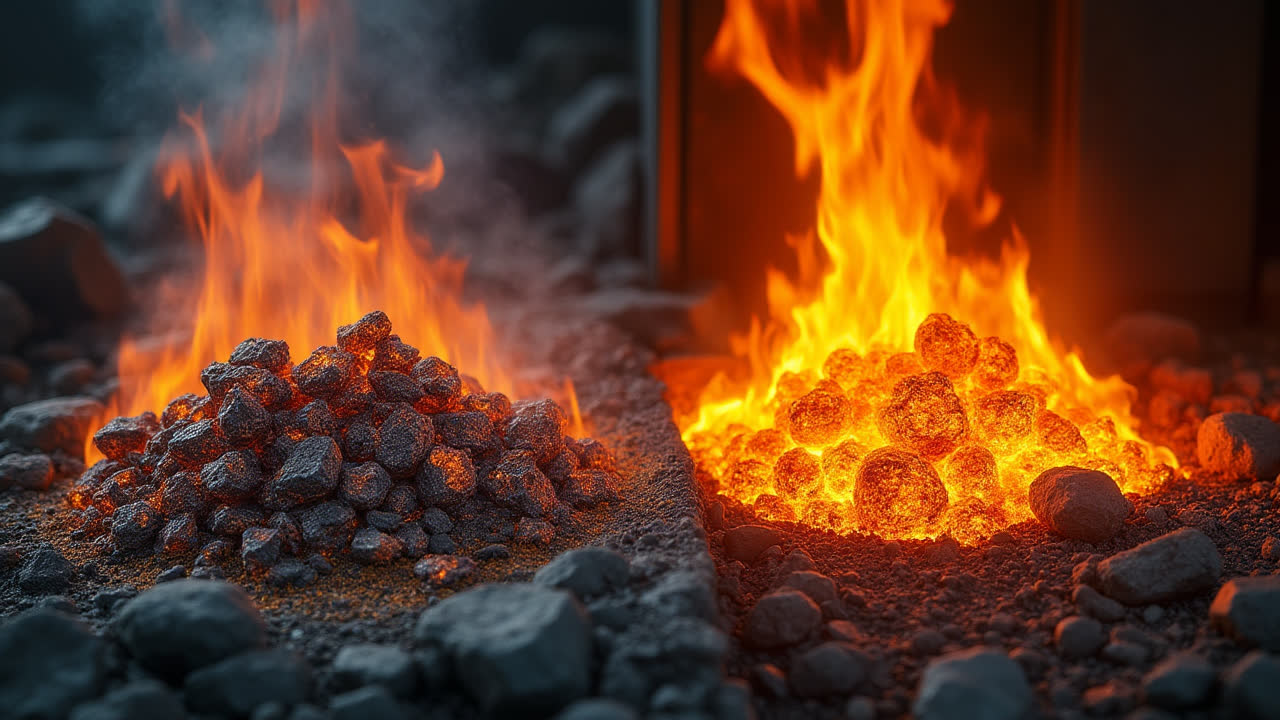
In the fascinating world of metallurgy, roasting and calcination stand as two fundamental thermal processes used to extract metals from their respective ores. While both methods share the common goal of converting ores into oxide forms, they differ significantly in their approach, conditions, and applications. Have you ever wondered what makes these processes distinct from each other?
The main difference between roasting and calcination lies in the amount of air or oxygen used during the heating process. Roasting employs an excess of air or oxygen, whereas calcination operates with limited air or oxygen. This seemingly simple distinction leads to remarkably different chemical reactions, applications, and outcomes that make each process uniquely suited for specific types of ores.
In this comprehensive guide, we'll explore the intricacies of both processes, examining their definitions, conditions, applications, advantages, and limitations. Whether you're a student of metallurgy, a professional in the mining industry, or simply curious about how metals are extracted from the earth, this article will provide valuable insights into these essential thermal processes.
Understanding Roasting in Metallurgy
Roasting is defined as the process of heating metal ore in the presence of excess air or oxygen at temperatures below the ore's melting point. This thermal treatment involves solid-gas reactions that aim to purify metals from their ores. But what actually happens during this process? During roasting, the heat causes impurities to burn off partially or completely through oxidation reactions, transforming the chemical composition of the ore.
Primarily used for sulfide ores, roasting facilitates the conversion of metal sulfides into metal oxides while releasing sulfur as sulfur dioxide gas. The process takes place in specialized equipment where the ore is treated with very hot air under controlled conditions. I've observed that the effectiveness of roasting largely depends on maintaining optimal temperature and air circulation to ensure complete oxidation of the sulfide minerals.
Different types of roasting processes serve various purposes in metallurgy. The most common form is oxidizing roasting, where metal sulfides react with oxygen to form metal oxides and sulfur dioxide. For instance, when zinc sulfide (ZnS) undergoes oxidizing roasting, it converts to zinc oxide (ZnO) while releasing sulfur dioxide (SO₂). In some cases, roasting can also involve reduction reactions that partially reduce oxide ores before the smelting process.
Several chemical reactions may occur during the roasting process, including:
- Oxidation: Where impurities bound with the metal are replaced by oxygen, such as when sulfur is replaced by oxygen in sulfide ores
- Reduction: Partial reduction of oxide ores before smelting
- Sulfation: Formation of metal sulfates due to reactions between sulfides in the feed and the metal
- Selective sulfation: The controlled process of obtaining a metal oxide and a metal sulfide from a mixed sulfide feed
- Pyro-hydrolysis: A chemical process occurring in the presence of water vapor (at approximately 300°C) that forms metal oxides from metal chlorides
Despite its effectiveness, roasting does come with environmental concerns. The process releases significant amounts of toxic gases and substances, particularly sulfur dioxide and sometimes arsenic compounds. Modern roasting facilities must implement robust gas capture and treatment systems to mitigate these environmental impacts. I've seen firsthand how the metallurgical industry has evolved to address these challenges with improved technologies and stricter emission controls.
Calcination: Process, Applications, and Characteristics
Calcination derives its name from its historical application in the treatment of calcium carbonate ores, highlighting its deep roots in metallurgical practices. This thermal process involves heating a metal ore in the presence of limited air or oxygen at temperatures below the ore's melting point. Unlike roasting, which aims primarily at oxidation, calcination focuses on the thermal decomposition of materials to remove volatile components and drive off bound water or carbon dioxide.
The calcination process takes place in specialized equipment called calciners—cylindrical structures designed to maintain controlled conditions during the heating process. In some cases, furnaces may also be used when extremely high temperatures are required. The controlled environment is crucial for ensuring that the thermal decomposition occurs efficiently without unwanted side reactions. Having worked with various calciners, I can attest that the design of these vessels significantly influences the quality and consistency of the final product.
A classic example of calcination is the production of lime (calcium oxide) from limestone (calcium carbonate). During this process, the limestone is heated to temperatures around 900-1000°C, causing the release of carbon dioxide and leaving behind calcium oxide in an easily powdered condition. The chemical reaction can be represented as:
CaCO₃ (limestone) → CaO (lime) + CO₂ (carbon dioxide)
Calcination finds widespread applications across various industries beyond metallurgy. In cement production, limestone and clay undergo calcination as a crucial step in the manufacturing process. The ceramics industry utilizes calcination to drive off water from clay materials before shaping and firing. Additionally, calcination plays a vital role in the production of various catalysts, pigments, and refractory materials.
While calcination generally produces fewer toxic emissions than roasting, it still releases volatile compounds that require proper management. The carbon dioxide released during limestone calcination contributes to greenhouse gas emissions, making this process a focus area for environmental improvements in industrial settings. I've noticed a growing trend toward developing more energy-efficient calcination technologies that reduce both emissions and energy consumption, reflecting the industry's commitment to more sustainable practices.
Comparing Roasting and Calcination: A Detailed Analysis
When examining thermal treatment processes in metallurgy, understanding the distinctions between roasting and calcination becomes essential for proper application and optimization. Let's break down these differences in a comprehensive comparison:
| Feature | Roasting | Calcination |
|---|---|---|
| Definition | Heating of metal ore in the presence of excess air or oxygen | Heating of metal ore in the presence of limited air or oxygen |
| Air/Oxygen Requirement | Excess amount of air or oxygen | Limited amount of air or oxygen |
| Primary Application | Mainly used for sulfide ores | Primarily used for carbonate ores |
| Main Purpose | Conversion of sulfides to oxides through oxidation | Removal of volatile components like CO₂ and H₂O |
| Equipment Used | Roasting furnaces, fluidized bed reactors | Calciners, rotary kilns, shaft furnaces |
| Temperature Range | 500-700°C typically | 800-1000°C typically |
| Environmental Impact | Releases toxic gases (SO₂) and substances like arsenic | Releases volatile compounds and CO₂ |
| Common Products | Metal oxides from sulfide ores (e.g., ZnO from ZnS) | Metal oxides from carbonates (e.g., CaO from CaCO₃) |
Both processes serve as preparatory steps for subsequent metallurgical operations such as smelting or leaching. The choice between roasting and calcination depends largely on the mineralogical composition of the ore being processed. For instance, copper and zinc sulfide ores typically undergo roasting, while limestone and dolomite are subjected to calcination.
From an operational perspective, these processes also differ in their energy requirements and equipment design. Roasting generally requires more complex systems for gas handling due to the production of sulfur dioxide, while calcination equipment must withstand higher temperatures typically needed for carbonate decomposition. I've found that understanding these operational differences is crucial when designing or optimizing a metallurgical processing plant.
The historical development of these processes reflects humanity's evolving understanding of chemistry and metallurgy. While primitive forms of both processes have been used since ancient times, modern industrial applications have refined these techniques with precise temperature control, specialized equipment, and environmental safeguards. Looking at historical metallurgical sites, you can often identify whether roasting or calcination was the primary process by examining the remnants of the facilities and the types of ores that were processed.
Industrial Applications and Practical Considerations
In today's industrial landscape, both roasting and calcination continue to play critical roles across various sectors. The copper industry extensively utilizes roasting as a preliminary step in processing sulfide ores like chalcopyrite (CuFeS₂). Similarly, zinc sulfide ores undergo roasting before further processing. These applications highlight how understanding the fundamental differences between these thermal processes translates to practical industrial operations.
The cement industry represents one of the largest applications of calcination, where limestone undergoes thermal decomposition to produce cement clinker. In fact, this sector accounts for a significant portion of industrial carbon dioxide emissions due to the calcination process. Having visited several cement plants, I've observed the massive scale of these operations and the ongoing efforts to reduce their environmental footprint through process optimizations and alternative materials.
When selecting between roasting and calcination for a specific application, engineers must consider numerous factors including:
- The mineralogical composition of the raw materials
- Desired product characteristics
- Energy availability and costs
- Environmental regulations and emission controls
- Capital and operating expenses for different equipment options
- Downstream processing requirements
Recent technological advances have focused on improving the efficiency and reducing the environmental impact of both processes. For roasting, innovations include improved fluidized bed reactors that enhance heat transfer and reaction kinetics. Meanwhile, calcination has seen developments in energy-efficient kiln designs and alternative heating methods, including the use of solar energy for certain applications. I'm particularly excited about emerging technologies that aim to capture and utilize the carbon dioxide released during calcination, potentially transforming a greenhouse gas emission into a valuable resource.
The scale of these operations in modern industry is truly impressive. Large-scale roasting facilities can process thousands of tons of sulfide ore daily, while cement kilns—which rely on calcination—rank among the largest thermal processing equipment in industrial use. The efficient operation of these facilities requires sophisticated control systems, experienced operators, and regular maintenance to ensure consistent product quality and compliance with environmental standards.
Frequently Asked Questions About Roasting and Calcination
What is the main difference between roasting and calcination?
The main difference between roasting and calcination lies in the amount of air or oxygen used during the heating process. Roasting involves heating metal ore in the presence of excess air or oxygen, primarily to convert sulfide minerals to oxide forms through oxidation reactions. Calcination, on the other hand, is performed with limited air or oxygen and focuses on the thermal decomposition of materials to remove volatile components like carbon dioxide and water. Additionally, roasting is typically used for sulfide ores, while calcination is more commonly applied to carbonate ores.
What are the typical temperature ranges for roasting and calcination processes?
Roasting typically occurs at temperatures ranging from 500-700°C, depending on the specific ore being processed and the desired reactions. This temperature range is sufficient to promote oxidation reactions without melting the ore. Calcination generally requires higher temperatures, typically between 800-1000°C, to drive off volatile components and cause the decomposition of carbonate minerals. For instance, limestone calcination requires temperatures around 900°C to effectively decompose calcium carbonate into calcium oxide and carbon dioxide. Both processes operate below the melting point of the materials being treated, distinguishing them from smelting operations.
What are the environmental concerns associated with roasting and calcination?
Both roasting and calcination pose environmental challenges, though in different ways. Roasting of sulfide ores releases significant amounts of sulfur dioxide (SO₂), a major contributor to acid rain, along with potentially toxic substances such as arsenic, depending on the ore composition. Modern roasting facilities must employ advanced gas cleaning systems to capture these emissions. Calcination, particularly of limestone in cement production, contributes substantially to carbon dioxide emissions, a primary greenhouse gas. The cement industry alone accounts for approximately 8% of global CO₂ emissions, with roughly half coming from the calcination reaction itself. Ongoing research focuses on developing carbon capture technologies and alternative processes to mitigate these environmental impacts.
Conclusion: The Importance of Understanding Thermal Processes in Metallurgy
The distinction between roasting and calcination goes beyond academic interest—it represents fundamental knowledge necessary for efficient metal extraction and processing. While both are thermal processes that convert ores into more usable forms, their different operating conditions, applications, and outcomes make them uniquely suited for specific materials and desired products.
Roasting, with its excess air environment, excels at converting sulfide minerals through oxidation reactions, making it essential for processing copper, zinc, and lead ores. Calcination, operating with limited air, specializes in driving off volatile components from carbonates and hydroxides, finding its primary application in lime production, cement manufacturing, and catalyst preparation.
As technology advances and environmental concerns grow, both processes continue to evolve with innovations aimed at improving efficiency, reducing emissions, and lowering energy consumption. The future of these thermal processes likely lies in their integration with newer technologies such as renewable energy sources and carbon capture systems.
For students and professionals in metallurgy, materials science, and chemical engineering, a thorough understanding of both roasting and calcination provides the foundation for developing and optimizing metal extraction processes. This knowledge not only facilitates more efficient resource utilization but also contributes to more sustainable industrial practices as we navigate the challenges of increasing metal demand while minimizing environmental impact.