Seizures vs Epilepsy: Key Differences You Need to Know
Have you ever witnessed someone having a seizure? It's a frightening experience that often leaves bystanders feeling helpless. Many people use the terms seizures and epilepsy interchangeably, but are they really the same thing? The short answer is no – and understanding the difference could be crucial in a medical emergency.
I remember the first time I saw someone having a seizure in a shopping mall. People gathered around, unsure of what to do, with some incorrectly saying, "They have epilepsy." But was that actually the case? Not necessarily. This common misconception highlights why knowing the distinction matters.
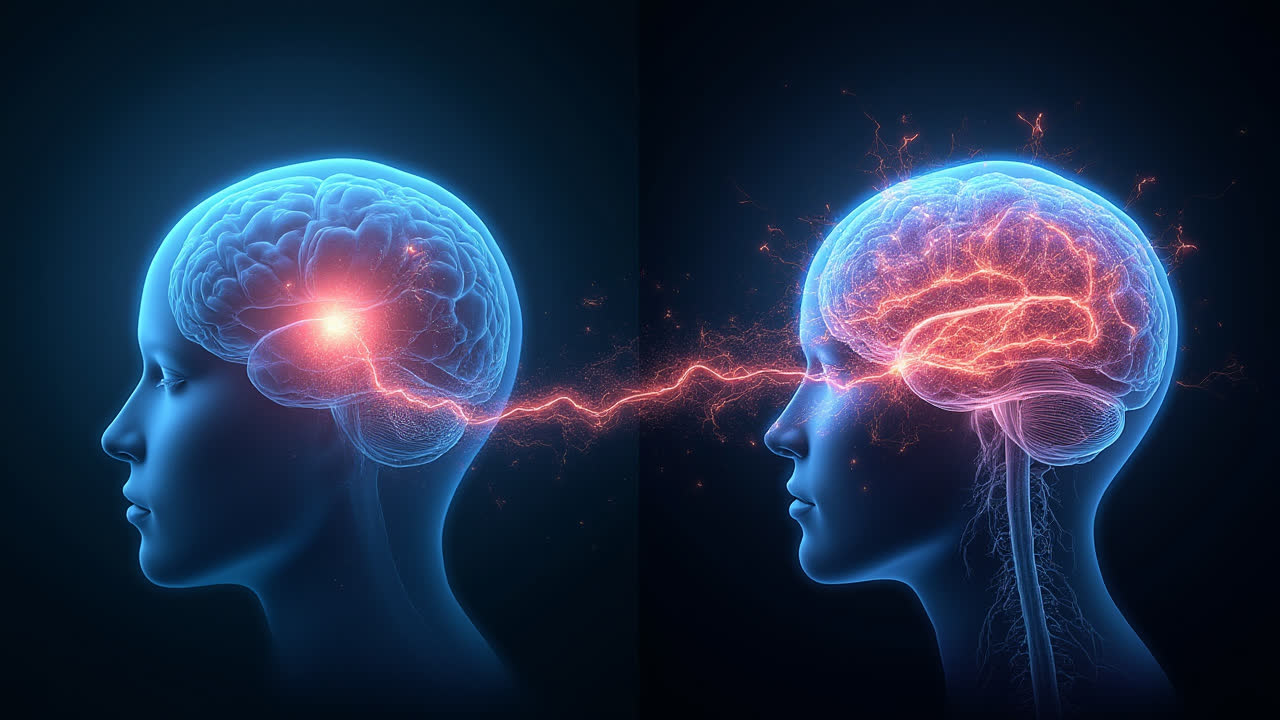
The main difference between seizures and epilepsy lies in frequency and cause. A seizure is a single episode of abnormal electrical activity in the brain, while epilepsy is a chronic neurological disorder characterized by recurrent, unprovoked seizures – typically two or more. Think of it this way: all people with epilepsy experience seizures, but not everyone who has a seizure has epilepsy.
What Exactly Is a Seizure?
A seizure occurs when there's a sudden, uncontrolled surge of electrical activity in the brain. This disruption can affect how a person appears, behaves, or experiences sensations for a short period. I've spoken with numerous patients who describe it as feeling "disconnected" from reality momentarily.
Contrary to popular belief, seizures don't always involve dramatic convulsions. Sometimes they're subtle – a brief staring spell, momentary confusion, or unusual sensations. Depending on which part of the brain is affected, seizures can manifest in countless ways, making them occasionally difficult to identify.
Various conditions can trigger a single seizure, including high fever (especially in children), severe head injury, drug or alcohol withdrawal, extremely low blood sugar, or infections affecting the brain. When a seizure has an identifiable cause like these, it's known as a provoked seizure and doesn't necessarily indicate epilepsy.
Another type worth mentioning is non-epileptic seizures (sometimes called psychogenic seizures). These episodes look like seizures but aren't caused by abnormal electrical activity in the brain. Instead, they may result from psychological stress or trauma. I once worked with a patient who experienced these after a particularly traumatic car accident – they required psychological treatment rather than anti-seizure medication.
Understanding Epilepsy as a Chronic Condition
Epilepsy is a neurological disorder characterized by recurring, unprovoked seizures. The key word here is "unprovoked" – meaning they happen without an immediate or reversible cause like those mentioned earlier. Doctors typically diagnose epilepsy when a person has experienced at least two unprovoked seizures more than 24 hours apart.
What's particularly challenging about epilepsy is that in approximately two-thirds of cases, doctors can't identify a specific cause. However, certain factors may increase risk, including:
- Genetic influences and family history
- Brain injuries from trauma, stroke, or oxygen deprivation
- Brain tumors or structural abnormalities
- Infections like meningitis or encephalitis
- Developmental disorders such as autism
- Neurodegenerative diseases like Alzheimer's
Living with epilepsy presents unique challenges. Beyond the seizures themselves, many patients I've counseled describe anxiety about when the next episode might occur. This uncertainty can significantly impact daily activities, from driving to employment opportunities. Plus, the stigma surrounding epilepsy – though improving with education – can lead to social isolation for some individuals.
Epilepsy isn't a one-size-fits-all condition. It encompasses a spectrum of seizure disorders with different causes, seizure types, and severity levels. Some people experience seizures that affect the entire brain (generalized seizures), while others have seizures limited to one area (focal or partial seizures).
Comparing Seizures and Epilepsy: The Key Differences
| Comparison Factor | Seizures | Epilepsy |
|---|---|---|
| Definition | A single episode of abnormal electrical activity in the brain | A chronic neurological disorder with recurring unprovoked seizures (two or more) |
| Frequency | Can be a one-time occurrence | Recurring episodes over time |
| Causes | Often identifiable triggers like fever, injury, low blood sugar, drug withdrawal | Often unknown causes (idiopathic); may include genetic factors, brain injury, or structural abnormalities |
| Treatment Approach | Typically addresses the underlying cause; may not require long-term medication | Usually requires ongoing anti-epileptic medication; may involve surgery in severe cases |
| Diagnosis Process | Physical examination, blood tests, and sometimes EEG | Comprehensive evaluation including medical history, multiple EEGs, neuroimaging (MRI, CT scan) |
| Long-term Management | Often resolved once underlying cause is treated | Requires ongoing management plan, regular medical follow-ups, and possibly lifestyle modifications |
| Impact on Daily Life | Usually minimal long-term impact if isolated incident | May significantly affect driving privileges, employment options, and quality of life |
| Medical Classification | A symptom or event | A diagnosed medical condition |
Diagnosis: How Doctors Tell the Difference
Accurately distinguishing between a one-time seizure and epilepsy requires thorough medical evaluation. If you or someone you know experiences a seizure, doctors will typically start with a detailed medical history, asking about symptoms before, during, and after the event. Eyewitness accounts can be incredibly valuable here – I always encourage family members to record seizures (if safe to do so) to help with diagnosis.
The electroencephalogram (EEG) is one of the most important diagnostic tools. This test records the brain's electrical activity and can often detect abnormalities characteristic of epilepsy. However, a normal EEG doesn't rule out epilepsy, as abnormalities may not be present during the test. Sometimes, doctors order sleep-deprived EEGs or multi-day monitoring to increase the chances of capturing abnormal activity.
Brain imaging tests like MRI or CT scans help identify structural abnormalities that might be causing seizures. Blood tests check for issues like electrolyte imbalances, infections, or toxins that could provoke seizures. In some complex cases, doctors might perform a lumbar puncture (spinal tap) to examine cerebrospinal fluid for signs of infection or inflammation.
The diagnostic journey can be frustrating and lengthy. I've worked with patients who went months before receiving a definitive diagnosis. This uncertainty can be emotionally taxing, which is why having a supportive healthcare team that communicates clearly is essential during this process.
Treatment Approaches: How They Differ
Treatment strategies for seizures and epilepsy differ significantly, primarily because they address different underlying issues. For isolated, provoked seizures, treatment focuses on managing the trigger – addressing the fever, correcting electrolyte imbalances, or treating the infection. Once the underlying cause is resolved, anti-seizure medications are typically unnecessary.
For epilepsy, treatment aims to prevent future seizures and typically involves long-term anti-epileptic drugs (AEDs). Finding the right medication or combination can take time and requires careful monitoring for effectiveness and side effects. Common medications include levetiracetam (Keppra), lamotrigine (Lamictal), and carbamazepine (Tegretol). I've seen firsthand how transformative finding the right medication can be – one of my patients went from weekly seizures to being seizure-free for over two years after finding the right treatment.
When medications don't adequately control seizures, additional options include:
- Surgery – Removing the portion of the brain where seizures originate
- Vagus nerve stimulation – Implanting a device that sends electrical impulses to the brain
- Responsive neurostimulation – A device that detects abnormal electrical activity and delivers stimulation to prevent seizures
- Ketogenic diet – A high-fat, low-carbohydrate diet that has shown effectiveness in reducing seizures, particularly in children
Beyond medical treatments, lifestyle management plays a crucial role in both conditions. Adequate sleep, stress reduction, avoiding alcohol, and staying hydrated can help reduce seizure risk. For those with epilepsy, these lifestyle factors become even more important as part of the comprehensive management plan.
Frequently Asked Questions
Can you develop epilepsy after having just one seizure?
Having one seizure doesn't necessarily mean you have epilepsy. By definition, epilepsy requires at least two unprovoked seizures occurring more than 24 hours apart. However, in some situations, doctors may diagnose epilepsy after a single seizure if there's a high probability of recurrence. This might happen if the EEG shows significant abnormalities or if brain imaging reveals structural issues that commonly cause epilepsy. After a first seizure, about 40-50% of people will have another within five years, but this risk varies widely depending on individual factors.
Are febrile seizures in children a sign of epilepsy?
Febrile seizures, which occur in children typically between 6 months and 5 years of age during fever episodes, are usually not a sign of epilepsy. They're fairly common, affecting about 2-5% of children, and are generally harmless despite how frightening they appear. Simple febrile seizures last less than 15 minutes and don't recur within 24 hours. Most children outgrow them without developing epilepsy. However, complex febrile seizures (those lasting longer, occurring multiple times within 24 hours, or affecting only one part of the body) may slightly increase the risk of developing epilepsy later. Always consult a healthcare provider after a child experiences any seizure for proper evaluation.
Can epilepsy be cured completely?
Whether epilepsy can be "cured" depends on its cause and individual factors. For some people, especially children, epilepsy may resolve over time – about 70% of children with epilepsy eventually outgrow it. When epilepsy is caused by a treatable condition like a brain tumor or arteriovenous malformation, addressing the underlying cause may eliminate seizures. In carefully selected cases, epilepsy surgery can be curative, particularly when seizures originate from a single, well-defined brain area that can be safely removed. However, for many people, epilepsy is a lifelong condition that requires ongoing management. Even if someone becomes seizure-free for years, they may still have epilepsy that's well-controlled rather than cured. After being seizure-free for 2-5 years, some individuals may be able to gradually discontinue medications under medical supervision.
Conclusion: Why Understanding the Difference Matters
Distinguishing between seizures and epilepsy isn't just a matter of medical semantics – it has real implications for treatment, prognosis, and quality of life. A single seizure, while alarming, often doesn't require the same long-term management as epilepsy. Understanding this difference can help prevent unnecessary treatment or, conversely, ensure that those with epilepsy receive the comprehensive care they need.
If you or someone you know experiences a seizure, seek immediate medical attention to determine the cause. Remember that seizures and epilepsy exist on a spectrum, with many variations in between. Working closely with healthcare providers to get an accurate diagnosis is the crucial first step toward appropriate treatment.
The field of neurology continues to advance, with new treatments and deeper understanding of these conditions emerging regularly. For those living with epilepsy, these advancements offer hope for better seizure control and improved quality of life. And for all of us, better understanding these conditions helps reduce stigma and promote compassion for those affected.