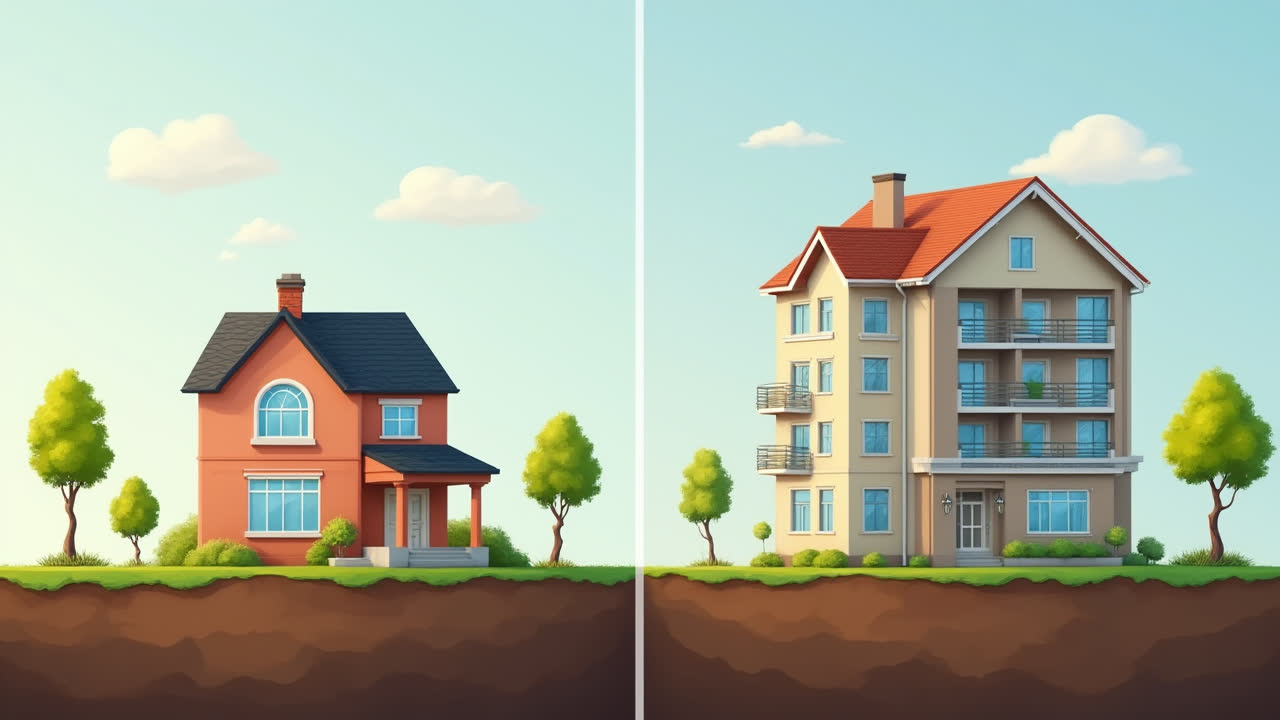
Smart City vs Satellite City: Complete Comparison Guide
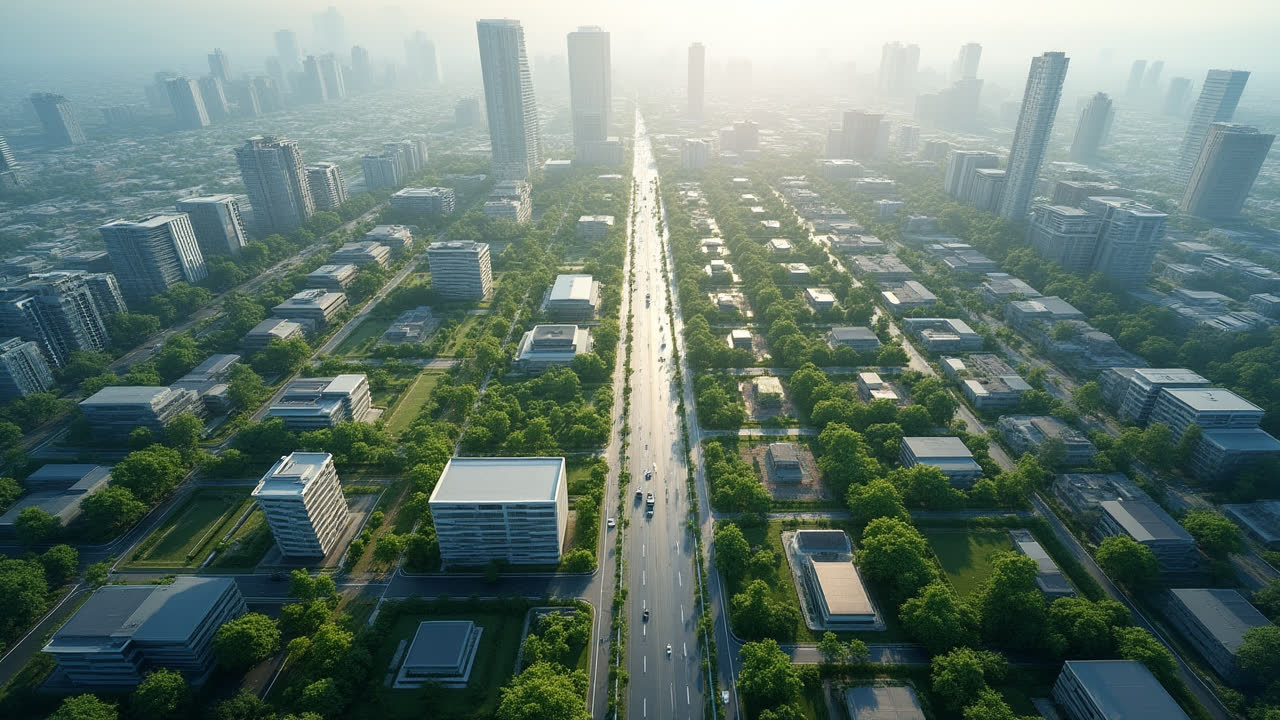
Have you ever wondered about the difference between a smart city and a satellite city? While they may sound similar, these urban concepts represent vastly different approaches to city development and planning. As our urban landscapes continue to evolve, understanding these differences becomes increasingly important for residents, city planners, and policymakers alike.
In today's rapidly urbanizing world, cities are developing in diverse ways to accommodate growing populations and changing lifestyles. Some focus on implementing cutting-edge technology to improve efficiency, while others emerge as smaller communities orbiting major metropolitan areas. Let's explore how these two urban models differ and what makes each unique in the modern urban landscape.
What Is a Smart City?
A smart city is a technologically modern urban area that leverages various electronic methods, sensors, and data collection systems to enhance city operations and improve quality of life for residents. According to IBM, it's a city "that makes optimal use of all the interconnected information available today to better understand and control its operations and optimize the use of limited resources." This definition highlights how smart cities integrate technology into virtually every aspect of urban life.
Smart cities utilize a complex network of software programs, user interfaces, communication networks, and Internet of Things (IoT) devices to gather and analyze data. This information is then used to enhance operational efficiency, improve government services, and boost citizen welfare across multiple domains. The technological infrastructure serves as the backbone for innovations that make daily urban life more convenient, sustainable, and enjoyable.
What sets smart urban planning apart is its focus on using data and technology to solve common city problems. Traffic congestion, waste management, energy consumption, and public safety are all addressed through technological solutions rather than traditional infrastructure expansion alone. This approach represents a fundamental shift in how we think about urban development in the 21st century.
Cities like Singapore, Tokyo, Dubai, London, Melbourne, and Hong Kong are prime examples of smart cities implementing these principles. Singapore, for instance, employs IoT cameras to monitor the cleanliness of public spaces, track registered vehicle movements, and measure crowd density in real-time. The city also has sophisticated systems for monitoring water usage, waste management, and energy consumption, allowing for rapid responses to changing conditions and needs.
What Is a Satellite City?
A satellite city is fundamentally different from a smart city, focusing more on geographic relationship than technological advancement. These are smaller urban areas located in close proximity to large metropolitan centers, yet remaining distinct and separate entities. The term "satellite" draws inspiration from man-made satellites orbiting Earth—like these objects, satellite cities exist near larger cities without being absorbed by them.
These urban areas typically feature their own traditional downtown cores surrounded by neighborhoods of an inner city structure. What distinguishes them from mere suburbs is their self-contained nature—satellite cities have their own economic base, identity, and municipal government. They are separated from the main metropolis by geographic barriers or territorial boundaries while maintaining economic and social connections.
Whenever there's a large metropolitan area, you're likely to find one or more satellite cities nearby. For example, Pakenham, Dandenong, and Sunbury function as satellite cities around Melbourne, Australia. Similarly, cities like Bethlehem and Allentown operate as satellites of New York, maintaining their own identity while benefiting from proximity to the larger economic hub.
Satellite cities often emerge as a practical solution to urbanization challenges. They help alleviate issues like traffic congestion and high property values in the central metropolis by providing alternative locations for residences and businesses. For many people seeking affordable housing with reasonable commute times to major employment centers, these cities represent an ideal compromise between urban amenities and living costs.
Smart City vs Satellite City: Comprehensive Comparison
| Comparison Factor | Smart City | Satellite City |
|---|---|---|
| Primary Definition | A technologically advanced city using electronic methods and sensors for data collection | A smaller urban area located near but separate from a large metropolitan center |
| Core Focus | Technology integration and data-driven solutions | Geographic relationship to a larger metropolis |
| Cost of Living | Generally higher due to advanced infrastructure and amenities | More affordable compared to the central metropolis |
| Land Value | Very high, especially in central areas | More moderate and accessible |
| Notable Examples | Singapore, Tokyo, Dubai, London, Melbourne | Pakenham, Dandenong, Sunbury (around Melbourne), Bethlehem and Allentown (near New York) |
| Primary Purpose | Optimize city functions and improve quality of life through technology | Provide alternative living/working spaces to alleviate pressure on the main metropolis |
| Development Focus | Innovation, technology integration, and smart infrastructure | Balanced urban development with self-contained economic activity |
| Relationship to Other Cities | Often standalone or the central metropolis itself | Defined by its relationship to a larger nearby city |
Benefits and Challenges of Each Urban Model
Both smart cities and satellite cities offer distinct advantages while facing unique challenges. Smart cities excel at optimizing efficiency and sustainability through technological innovation. The integration of IoT devices, automated systems, and real-time data analytics allows these cities to respond dynamically to changing conditions, whether it's adjusting traffic signals to ease congestion or monitoring water systems to prevent waste. For residents, this can translate to convenience, improved services, and potentially a smaller environmental footprint.
However, smart cities aren't without drawbacks. The high implementation cost of advanced technology creates barriers to entry for many municipalities. There are also legitimate concerns about privacy and surveillance when cities collect extensive data about residents' movements and activities. Additionally, the digital divide may widen as those without access to or familiarity with technology risk being left behind in increasingly digitized urban environments.
Satellite cities, by contrast, shine in providing more affordable housing options while maintaining access to the economic opportunities of nearby metropolitan areas. These cities often feature a more relaxed pace of life compared to bustling city centers, with shorter commutes and less congestion. For families or individuals priced out of expensive urban cores, satellite cities represent a practical compromise that doesn't sacrifice too much convenience.
The challenges for satellite cities typically revolve around maintaining economic independence and avoiding becoming mere bedroom communities for the larger metropolis. Transportation infrastructure becomes crucial, as inadequate connections to the main city can result in traffic nightmares and long commute times. There's also the ongoing balancing act of preserving local identity while benefiting from proximity to the larger urban center.
Which Is Right for You? Smart City vs Satellite City Living
Choosing between living in a smart city or a satellite city depends largely on your personal priorities, lifestyle preferences, and economic considerations. If you value cutting-edge amenities, robust public transportation, and being at the center of innovation and culture, a smart city might be your ideal environment. These urban centers typically offer more employment opportunities in technology sectors, better connectivity, and a wider range of services and entertainment options right at your doorstep.
On the other hand, if affordability, space, and a somewhat slower pace of life rank higher on your list of priorities, a satellite city could be more suitable. You'll likely get more square footage for your money, potentially shorter commutes (if you work locally), and less of the noise and crowds associated with major urban centers. Many satellite cities have developed their own unique cultural identities and amenities while still allowing reasonable access to the larger metropolitan area when needed.
It's worth considering your career field as well. While smart cities might offer advantages for those in technology, finance, or other specialized sectors, satellite cities are increasingly attracting diverse businesses looking to escape high downtown real estate costs. Remote work opportunities have also made satellite city living more viable for professionals who previously needed to be in urban centers daily.
Ultimately, neither option is inherently better than the other—each serves different needs and preferences. Some people thrive on the energy and opportunities of technologically advanced urban cores, while others prefer the balance of accessibility and affordability that satellite cities provide. The good news is that as urban development continues to evolve, the line between these two models may blur, with satellite cities adopting more smart technologies and smart cities working to address affordability challenges.
Frequently Asked Questions About Smart and Satellite Cities
Can a satellite city also be a smart city?
Yes, a satellite city can absolutely incorporate smart city technologies and approaches. In fact, many satellite cities are beginning to implement smart solutions as they develop and modernize. Since satellite cities are defined by their geographic relationship to a larger metropolis rather than by their technological sophistication, there's nothing preventing them from adopting IoT devices, data analytics, and other smart city elements. In some cases, newer satellite cities may even have advantages in implementing smart infrastructure from the ground up, without having to retrofit existing systems.
How do property values compare between smart cities and satellite cities?
Property values in smart cities tend to be significantly higher than in satellite cities. This price differential stems from several factors: smart cities often have more developed infrastructure, greater employment opportunities, better amenities, and higher demand for housing in prime locations. Satellite cities, by contrast, typically offer more affordable real estate options while still providing reasonable access to the economic opportunities of the nearby metropolis. This affordability is one of the main attractions drawing residents to satellite cities, especially families and first-time homebuyers who may be priced out of the central metropolitan housing market.
What is the future relationship between smart cities and satellite cities?
The future will likely see increasing convergence between smart and satellite cities, with the boundaries between these urban models becoming less distinct. As technology becomes more accessible and affordable, satellite cities will adopt more smart solutions to improve efficiency and quality of life. Meanwhile, as major metropolitan areas face growing affordability challenges, smart city principles may be applied to satellite city development to create networks of interconnected, technologically enhanced urban areas rather than single smart city centers. This distributed model could help address issues of congestion, housing costs, and environmental impact while extending smart benefits to a wider population.
Conclusion
The main difference between a smart city and a satellite city comes down to their fundamental nature and purpose. While smart cities leverage technology and data to enhance urban functions and quality of life, satellite cities are defined by their geographic relationship to larger metropolitan areas, offering alternative living spaces that help alleviate urban pressures.
As urbanization continues worldwide, both models will play important roles in accommodating growing populations and evolving lifestyles. Smart cities will push the boundaries of what's possible through technological innovation, while satellite cities will provide necessary housing and business alternatives to expensive urban cores. The most successful urban regions of the future may well be those that incorporate elements of both approaches, creating networks of interconnected cities that are both technologically advanced and geographically distributed.
Whether you're drawn to the cutting-edge amenities of a smart city or the balanced lifestyle of a satellite city, understanding these urban models can help you make informed decisions about where to live, work, and invest. The ideal choice depends on your personal priorities, professional needs, and lifestyle preferences—there's no one-size-fits-all answer in the diverse landscape of modern urban development.