Sulfate vs Sulfite: Complete Guide to Understanding Their Differences
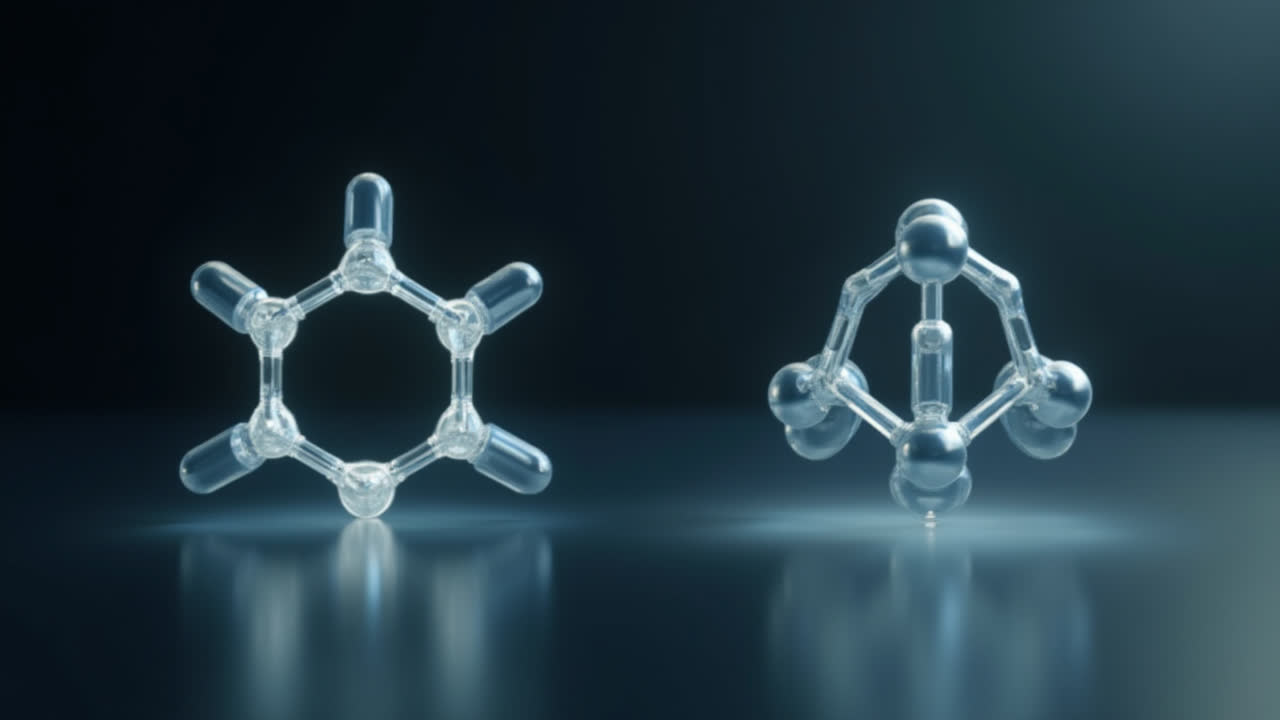
Sulfate vs Sulfite: Complete Guide to Understanding Their Differences
When it comes to chemistry, understanding the difference between sulfate and sulfite can be confusing for many students and professionals alike. These two anions, though similar in spelling and composition, have distinct characteristics that make them unique in their properties and applications. In this comprehensive guide, we'll dive deep into what sets these sulfur-based compounds apart and why it matters in both laboratory and real-world settings.
At first glance, you might think sulfate and sulfite are just slight variations of the same thing, but let me tell you from personal experience - that assumption can lead to some interesting lab mishaps! These anions have different molecular formulas, oxidation states, and geometries that significantly impact their chemical behavior. Let's explore these fascinating compounds systematically.
Understanding Anions: The Foundation
Before we jump into the specifics of sulfate vs sulfite, it's crucial to understand what makes an anion. When a neutral atom or molecule gains electrons, it becomes negatively charged because electrons carry a negative charge, and there aren't enough positive charges to balance out the newcomers. This negatively charged species is what we call an anion - simple enough, right?
Both sulfate and sulfite fall into this category of negatively charged ions, and they're both composed of sulfur and oxygen atoms. But the similarities end there, and the differences begin to show up in their molecular structures, which we'll examine next.
Sulfate: The Four-Oxygen Giant
Sulfate is an anion with the molecular formula SO₄²⁻, consisting of one sulfur atom surrounded by four oxygen atoms. The overall charge is -2, making it the conjugate base of sulfuric acid. When sulfuric acid dissociates, it gives off a sulfate anion and a proton (H⁺).
Here's where it gets interesting: the bonding in sulfate isn't as straightforward as you might expect. Two oxygen atoms form double bonds with sulfur, while the other two form single bonds. However, due to a phenomenon called resonance, all the bond lengths turn out to be the same - about 149 pm. This resonance creates a delocalization of electrons that makes all sulfur-oxygen bonds equivalent, which is pretty cool when you think about it!
In terms of geometry, sulfate adopts a tetrahedral shape around the sulfur atom. The oxidation state of sulfur here is +6, which is its highest possible state - meaning sulfate can't be oxidized further. This fact alone makes sulfate quite distinct from its cousin, sulfite.
Common Sulfate Compounds
- Baryte (BaSO₄) - often used in drilling muds and medical imaging
- Anglesite (PbSO₄) - a lead-containing mineral
- Anhydrite (CaSO₄) - found in evaporite deposits
- Gypsum (CaSO₄·2H₂O) - widely used in construction
- Epsomite (MgSO₄·7H₂O) - better known as Epsom salt
Sulfite: The Three-Oxygen Sibling
Now let's talk about sulfite, which has the molecular formula SO₃²⁻. Notice the difference already? This anion has only three oxygen atoms bonded to the central sulfur atom, and it also carries a -2 charge. One oxygen forms a double bond with sulfur, while the other two form single bonds - a pattern similar to sulfate, but with one less oxygen.
Sulfite also shows resonance in its structure, meaning all the bond lengths are equal and intermediate between single and double bonds. However, there's a key difference from sulfate: sulfite has a lone pair of electrons on the sulfur atom. This little detail changes everything about its geometry and reactivity!
The geometry around sulfur in sulfite is trigonal pyramidal (think of a three-legged stool with the lone pair sitting above it), and the oxidation state of sulfur is +4. Here's the crucial difference: because sulfur is in a +4 state, it can be oxidized further up to +6, making sulfite much more reactive than sulfate in oxidation reactions.
Common Sulfite Compounds
- Copper sulfite (CuSO₃) - used in various chemical processes
- Zinc sulfite (ZnSO₃) - has applications in paper manufacturing
- Magnesium sulfite (MgSO₃) - used in paper pulping
- Potassium sulfite (K₂SO₃) - found in food preservation
The Key Differences Explained
Now that we've covered the basics, let me break down the sulfate vs sulfite differences in a clear, digestible way. These differences aren't just academic - they have real implications for how these compounds behave in chemical reactions and applications.
| Characteristic | Sulfate (SO₄²⁻) | Sulfite (SO₃²⁻) |
|---|---|---|
| Number of Oxygen Atoms | 4 | 3 |
| Molar Mass | 96 g/mol | 80 g/mol |
| Molecular Geometry | Tetrahedral | Trigonal pyramidal |
| Sulfur Oxidation State | +6 | +4 |
| Oxygen Oxidation State | -2 | -2 |
| Oxidation Potential | Cannot be oxidized | Can be oxidized to sulfate |
| Water Solubility | Most are soluble | Most are insoluble (except Na⁺, K⁺, NH₄⁺) |
| Lone Pairs on Sulfur | None | One |
Practical Applications and Implications
Understanding these differences isn't just theoretical knowledge - it has practical applications in various fields. For instance, in water treatment, sulfite is often used as a reducing agent to remove chlorine because of its ability to undergo oxidation reactions. Sulfate, on the other hand, is often found as a contaminant in drinking water and can cause issues like mild diarrhea in some people.
In the food industry, sulfites are used as preservatives due to their ability to inhibit bacterial growth and prevent browning in foods. However, some people have sulfite sensitivity, which is why you'll often see "contains sulfites" warnings on wine bottles and other food products.
Real-World Examples
I remember working in a chemistry lab where we accidentally mixed up sulfate and sulfite solutions. The results were... educational, to say the least! The reaction we were expecting simply didn't happen because sulfate couldn't undergo the oxidation reaction we had planned. This highlights why understanding the difference between sulfate and sulfite is crucial in practical chemistry.
In environmental science, these compounds play different roles. Sulfates can accumulate in soil and water bodies, affecting pH levels and plant growth. Sulfites, being more reactive, tend to break down more readily in the environment or convert to sulfates through oxidation processes.
The Chemistry Behind the Differences
When we dig deeper into the molecular level, the resonance structures really make these compounds fascinating. Both show electron delocalization through their oxygen-sulfur bonds, but the presence of an extra oxygen in sulfate and the lone pair in sulfite creates entirely different chemical personalities.
The trigonal pyramidal shape of sulfite versus the tetrahedral shape of sulfate might seem like a minor detail, but it significantly affects how these ions interact with other molecules. This geometry influences everything from solubility to reactivity patterns, making each compound unique in its behavior.
Frequently Asked Questions
What is the main difference between sulfate and sulfite?
The main difference is that sulfate (SO₄²⁻) contains four oxygen atoms bonded to a sulfur atom, while sulfite (SO₃²⁻) contains only three oxygen atoms. Additionally, sulfur has different oxidation states: +6 in sulfate and +4 in sulfite.
Can sulfite be converted to sulfate?
Yes, sulfite can be oxidized to sulfate. This is because sulfur in sulfite is in the +4 oxidation state and can be oxidized to the +6 state found in sulfate. However, sulfate cannot be oxidized further since sulfur is already at its highest oxidation state.
Which is more reactive - sulfate or sulfite?
Sulfite is more reactive than sulfate. This is because sulfite can undergo oxidation reactions due to its +4 oxidation state of sulfur, while sulfate cannot be oxidized further. Sulfite is commonly used as a reducing agent in various chemical processes.
Conclusion
Understanding the sulfate vs sulfite differences is fundamental in chemistry education and practical applications. From their molecular structures to their chemical behaviors, these anions represent perfect examples of how small changes at the molecular level can lead to significant differences in properties and applications.
Whether you're a student preparing for exams or a professional working with these compounds, remembering that sulfate has four oxygens and sulfite has three is just the beginning. The real understanding comes from appreciating how these structural differences translate into unique chemical behaviors, oxidation states, and practical applications.
Next time you encounter these compounds in your studies or work, you'll be able to confidently identify them and predict their behavior based on their fundamental characteristics. Remember: sulfate with four oxygens is the stable, non-oxidizable big brother, while sulfite with three oxygens is the reactive, oxidizable younger sibling ready to change into something else!