Thyme vs Rosemary: Essential Differences Every Cook Should Know
When it comes to elevating the flavor of your dishes, few herbs are as versatile and aromatic as thyme and rosemary. Both are staples in Mediterranean cuisine and belong to the mint family, but they have distinct characteristics that make them unique. Have you ever grabbed one when you actually needed the other? I certainly have, and the results weren't always what I expected!
These herbs might look somewhat similar in their dried form, but their flavors, appearance, and best uses in cooking differ significantly. Understanding these differences can help you make the perfect choice for your next culinary creation. In this comprehensive guide, we'll explore everything you need to know about these popular herbs and how to use them effectively in your cooking.
What Is Thyme? Characteristics and Culinary Uses
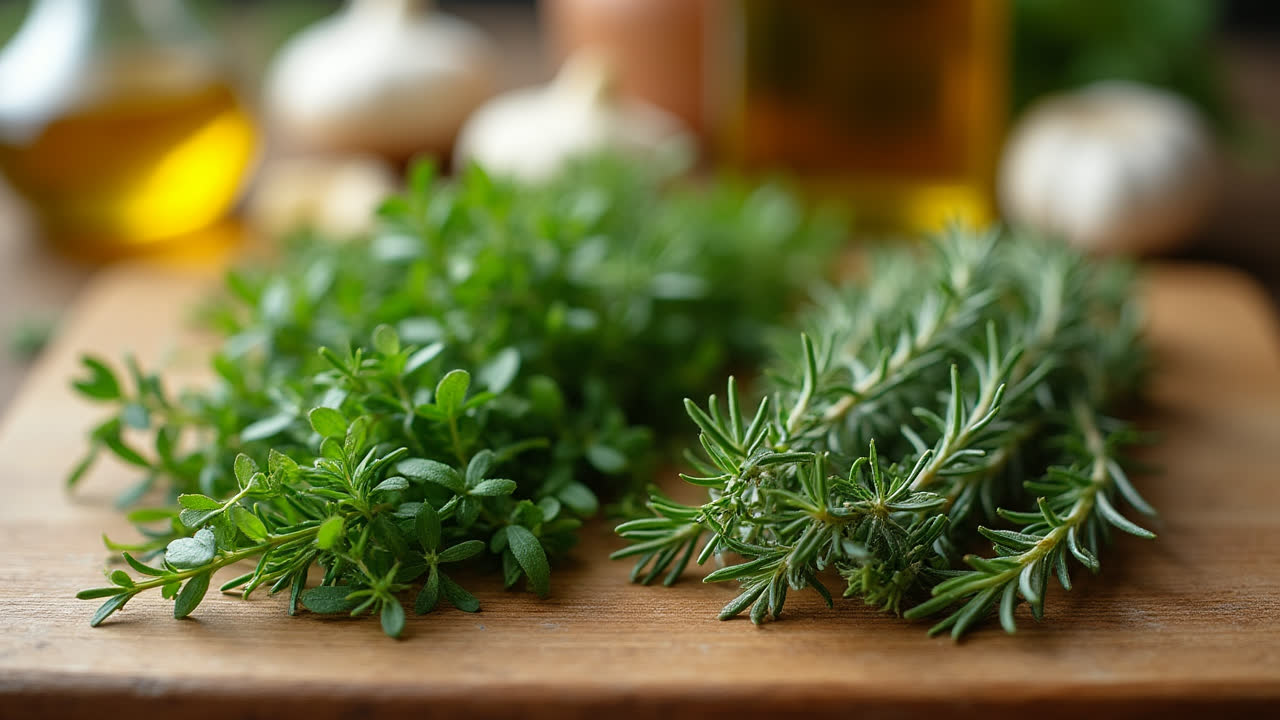
Thyme is a delicate herb characterized by its small, rounded leaves that grow on clusters of thin stems. When you touch fresh thyme leaves, they feel soft between your fingers, unlike some tougher herbs. Its appearance is quite distinctive, with tiny green-gray leaves arranged along slender, somewhat woody stems.
The flavor profile of thyme is fascinating - it offers a strong herbal taste with noticeable grassy, woody, and floral notes. There's something almost earthy about thyme that makes it incredibly versatile in the kitchen. Lemon thyme, a popular variety, adds a unique citrus fragrance that works wonderfully in seafood dishes or light summer recipes. I remember the first time I grew lemon thyme in my garden - the surprising burst of citrus aroma was nothing like I expected from looking at the plant!
Thyme is incredibly versatile in cooking and appears in cuisines worldwide, including European, Mediterranean, Latin, African, Caribbean, and Central American dishes. You can use thyme by itself or as part of a herb blend or bouquet garni. What makes thyme particularly user-friendly is that you can add it at virtually any stage of cooking - early for deeper flavor infusion or later for a fresher, more pronounced taste.
When cooking with fresh thyme, you have options - use the whole sprig (removing it before serving), strip the tiny leaves from the stem, or chop the leaves for more distributed flavor. The stems are quite fibrous and won't break down during cooking, so they're best removed before serving unless used as part of a bouquet garni that you'll remove entirely.
What Is Rosemary? Characteristics and Culinary Uses
Rosemary stands out with its distinctive appearance - it grows in bushes with woody stems and pine-like needles that give it an almost coniferous look. Unlike thyme's soft leaves, rosemary leaves are stiff and needlelike, with a texture that's unmistakable when you run your fingers along a sprig. The plant itself can grow quite large as an evergreen shrub in favorable climates.
When it comes to flavor, rosemary doesn't hold back. It delivers a powerful, pungent, and slightly bitter taste that can easily dominate a dish if you're not careful. I once added too much rosemary to a potato dish and learned the hard way that this herb demands respect! Its intense pine-like aroma has hints of citrus and evergreen that can transform ordinary dishes into something special. Because of its strong flavor profile, rosemary should generally be used more sparingly than thyme.
Rosemary shines in dishes featuring meat, especially chicken, lamb, and pork. There's something about its robust flavor that particularly complements these proteins. It's also excellent in breads - I've found that adding chopped rosemary to focaccia dough creates an irresistible aroma that fills the kitchen while baking. The herb stands up well to high-heat cooking methods like roasting and grilling, where many other herbs might lose their impact.
Like thyme, rosemary is available in both fresh and dried forms. Both require some preparation before use due to their tough texture. You'll want to chop or crush rosemary before adding it to your dishes to release its flavors and ensure nobody gets an unpleasant surprise of biting into a whole needle! If you add whole rosemary sprigs during cooking, remember to remove them before serving.
Detailed Comparison: Thyme vs Rosemary
| Characteristic | Thyme | Rosemary |
|---|---|---|
| Appearance | Small, rounded leaves on thin stems | Needle-like leaves on woody stems |
| Texture | Soft leaves, somewhat fibrous stems | Stiff, pine needle-like leaves |
| Flavor Profile | Herbal, grassy with floral and woody notes | Pungent, pine-like, slightly bitter |
| Flavor Strength | Moderate to strong | Very strong, more dominant |
| Best Cooking Uses | Versatile; soups, stews, vegetables, meats, fish | Meats (especially lamb, chicken), roasted potatoes, bread |
| When to Add | Any stage of cooking | Early in cooking for optimal flavor infusion |
| Pairing Well With | Garlic, lemon, olive oil, tomatoes | Garlic, olive oil, potatoes, lamb |
| Substitution Ratio | 1:1 when substituting for rosemary | Use 1/2 to 2/3 amount when substituting for thyme |
Similarities Between Thyme and Rosemary
Despite their differences, thyme and rosemary share several important characteristics that make them natural companions in the kitchen. Understanding these similarities helps explain why recipes often call for both herbs together. First and most fundamentally, both herbs belong to the mint family (Lamiaceae), which explains some of their shared aromatic qualities and growth patterns.
In their dried, crushed form, thyme and rosemary can sometimes look remarkably similar, leading to occasional mix-ups in the spice cabinet. This similarity extends beyond appearance - they have somewhat comparable flavor profiles within the spectrum of Mediterranean herbs, with notable woody and earthy qualities. That said, rosemary's flavor is significantly more assertive and pine-like than thyme's more delicate profile.
From a practical standpoint, both herbs are widely available in grocery stores, making them accessible options for home cooks. This accessibility has contributed to their popularity in home cooking across various cuisines. You'll find both in fresh and dried forms, and both offer excellent flavor retention when dried properly - though as with most herbs, the fresh versions provide more nuanced flavors.
Perhaps most importantly for cooks, thyme and rosemary work wonderfully in similar dishes. They shine in meat preparations like roast beef and pork, bring depth to poultry dishes, and add dimension to soups and stews. Both herbs also pair beautifully with beans and cabbage, creating hearty, flavorful dishes perfect for cool weather. This culinary compatibility explains why they're often found together in classic herb blends like herbes de Provence and bouquet garni.
Key Differences That Matter in Cooking
The most significant culinary difference between thyme and rosemary lies in their flavor intensity. Rosemary delivers a much stronger, more pungent flavor compared to thyme's milder profile. This distinction is crucial when substituting one for the other - a direct 1:1 substitution can easily result in an overwhelming dish if rosemary replaces thyme, or a somewhat underwhelming result if thyme replaces rosemary without adjustment.
Their physical structure also creates important differences in how they're used in cooking. Thyme's tiny leaves can be more easily incorporated whole into dishes, while rosemary's needle-like leaves generally need chopping to avoid unpleasant texture surprises. Think about biting into an unexpected rosemary needle versus a tiny thyme leaf - quite different experiences! This structural difference affects how each herb disperses its flavor throughout a dish.
The timing of when to add each herb also differs slightly. While both can be added early in cooking, thyme maintains its character even when added later, making it more versatile for last-minute adjustments. Rosemary, with its tougher structure, benefits from longer cooking times to fully release its oils and flavors, especially when used in its dried form.
Temperature tolerance represents another important distinction. Rosemary stands up exceptionally well to high-heat cooking methods like grilling and roasting, maintaining its flavor profile even under intense heat. Thyme, while still heat-tolerant, sometimes loses some of its more delicate notes under extreme heat. This makes rosemary particularly well-suited for dishes that require high-temperature cooking.
Finally, their seasonal applications often differ. Rosemary's robust, warming qualities make it especially popular in fall and winter dishes, while thyme's lighter, more versatile nature makes it a year-round herb that works well even in lighter spring and summer preparations. I've noticed I reach for rosemary much more often in December than in July, while thyme remains in regular rotation regardless of season.
Substituting Thyme and Rosemary in Recipes
Finding yourself midway through a recipe only to discover you're out of the called-for herb happens to even the most organized cooks. When it comes to substituting thyme and rosemary, there are some important guidelines to follow to ensure your dish still turns out delicious. The general rule is that thyme can substitute for rosemary in a 1:1 ratio, but when replacing thyme with rosemary, you should use approximately half to two-thirds of the amount called for.
This adjustment in quantity reflects the significant difference in flavor intensity between the two herbs. Rosemary's powerful presence can quickly overwhelm the more delicate flavors in a dish designed for thyme. I learned this lesson the hard way when making a delicate white wine sauce that called for thyme - substituting an equal amount of rosemary resulted in a pine-forest flavor that dominated everything else on the plate!
Thyme works particularly well as a rosemary substitute when used alongside other herbs and spices. The supporting cast of flavors helps compensate for thyme's less assertive profile compared to rosemary. Consider adding a pinch of sage or a touch more black pepper when substituting thyme for rosemary to help bridge the flavor gap.
When making these substitutions, consider the other ingredients in your dish. Thyme pairs especially well with lemon, chicken, and fish, while rosemary has natural affinities with lamb, potatoes, and robust olive oil. If your recipe highlights these pairings, the substitution might require additional adjustments to maintain balance. For instance, a recipe featuring rosemary with lamb might need additional garlic or black pepper if you're substituting thyme.
Frequently Asked Questions About Thyme and Rosemary
Can I grow thyme and rosemary together in the same garden?
Yes, thyme and rosemary make excellent companion plants in an herb garden. Both herbs prefer similar growing conditions: full sun, well-drained soil, and moderate watering. They're both drought-tolerant Mediterranean plants that thrive in similar environments. Just ensure you give rosemary enough space, as it can grow into a sizeable shrub over time, potentially overshadowing smaller thyme plants. Planting them together not only looks beautiful but can also help deter some garden pests due to their aromatic oils.
Do dried thyme and rosemary have the same flavor as fresh?
While both herbs retain good flavor when dried, there are noticeable differences between fresh and dried versions. Dried herbs generally have a more concentrated flavor per volume than fresh, which is why recipes often call for less dried herb than fresh. Fresh thyme offers brighter, more complex floral notes that can diminish somewhat in the dried version. Similarly, fresh rosemary provides more aromatic complexity than its dried counterpart. That said, both dried thyme and rosemary maintain their essential character quite well compared to many other herbs, making them practical pantry staples. For best results with dried herbs, crush them slightly between your fingers before adding to release their essential oils.
What are the health benefits of thyme and rosemary?
Both thyme and rosemary offer impressive health benefits beyond their culinary uses. Thyme contains thymol, a compound with powerful antimicrobial properties that has been used traditionally for respiratory issues and coughs. It's also rich in vitamin C, vitamin A, and manganese. Rosemary contains rosmarinic acid and carnosic acid, which have antioxidant and anti-inflammatory properties. Studies suggest rosemary may support cognitive function, improve digestion, and provide immune system benefits. Both herbs contain compounds that may help improve circulation and heart health. While their culinary amounts are likely too small to provide therapeutic effects, regularly incorporating these herbs into your diet adds beneficial compounds along with their wonderful flavors.
Conclusion: Choosing Between Thyme and Rosemary
Understanding the differences and similarities between thyme and rosemary empowers you to use these wonderful herbs with confidence in your cooking. While they share membership in the mint family and work well in many of the same dishes, their distinct characteristics make each uniquely suited to certain applications.
Choose thyme when you want a versatile herb with a balanced flavor that won't overwhelm other ingredients. Its delicate profile makes it perfect for fish, poultry, and vegetables where you want herbal notes without dominance. Thyme's ability to be added at various cooking stages also makes it incredibly flexible in the kitchen.
Opt for rosemary when you need a bold, aromatic presence that can stand up to rich meats and hearty cooking methods. Its distinctive pine-like flavor creates memorable dishes, particularly when paired with lamb, potatoes, or olive oil. Just remember its power and use it judiciously - in the world of herbs, rosemary makes its presence known!
While each herb has its strengths, don't hesitate to use them together. Their complementary nature has made them traditional partners in Mediterranean cooking for centuries. Whether you're roasting a chicken, simmering a stew, or baking herb-infused bread, thyme and rosemary often bring out the best in each other and your cooking.
Ultimately, the choice between thyme and rosemary isn't always either/or - it's about understanding their unique qualities and using them to create the flavors you desire. With practice, you'll develop an intuitive sense of when to reach for each herb, enriching your culinary repertoire and delighting those lucky enough to share your table.