Uranium vs Thorium: Understanding the Key Differences
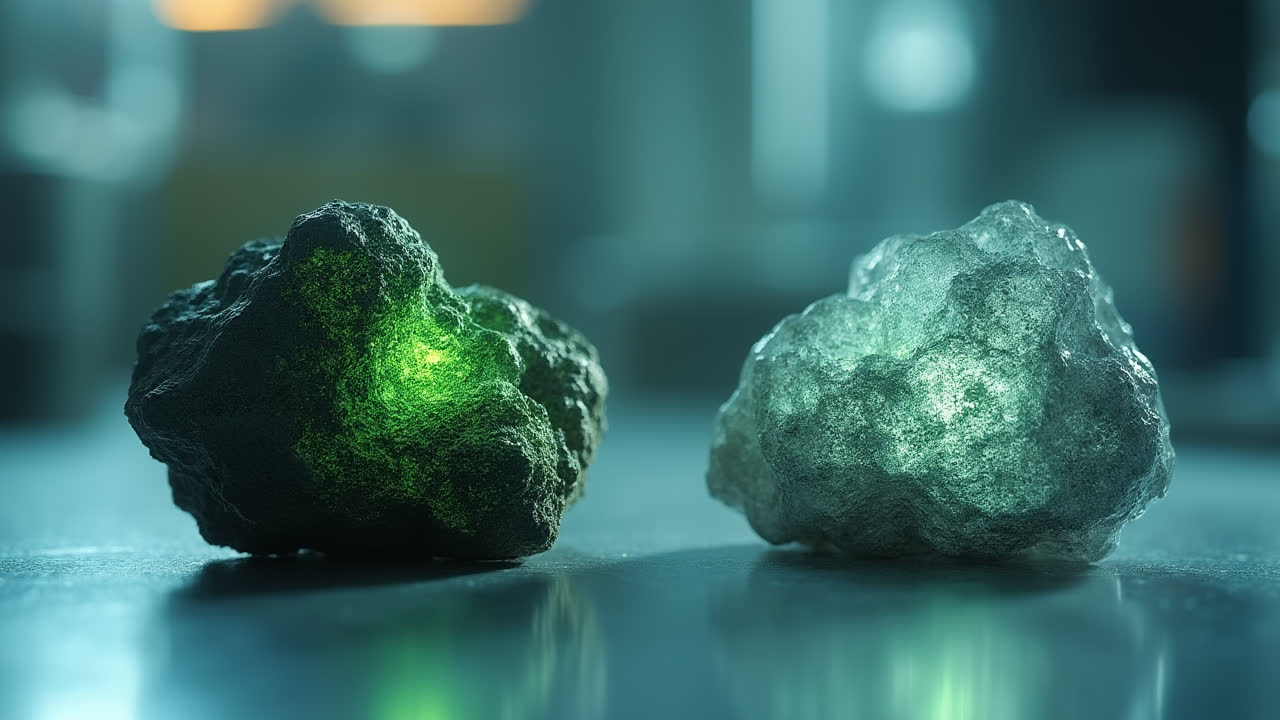
Uranium vs Thorium: Understanding the Key Differences
When exploring the world of nuclear energy and radioactive elements, uranium and thorium often emerge as two of the most significant candidates for nuclear fuel. Both elements belong to the actinide series and share certain characteristics, but they also possess unique properties that make them distinct in the realm of nuclear technology.
What Makes Uranium and Thorium Different?
The fundamental distinction between these two elements lies in their nuclear properties. While both are radioactive and decay slowly through alpha emission, the key difference is that uranium has a naturally occurring fissile isotope (U-235), whereas thorium does not.
This might not sound like much of a difference at first, but it drastically affects how we can use these materials in nuclear applications. Think of it like having a car that comes with fuel already in the tank versus one that requires special processing before it can run. The presence of naturally fissile material makes uranium immediately usable in conventional nuclear reactors.
Properties and Characteristics
Uranium, with its atomic number 92, is heavier than thorium (atomic number 90). At room temperature, both elements exist as solid metals. However, thorium has a significantly higher melting point – about 1750°C compared to uranium's 1132°C.
Perhaps surprisingly, thorium is actually more abundant in the Earth's crust than uranium. This availability advantage has researchers exploring thorium as a potential alternative to traditional uranium-based nuclear fuel cycles.
When it comes to valence electrons, thorium has 4, while uranium has 6. This difference influences their chemical behavior and the oxidation states they can adopt. Uranium, being more chemically versatile, can exist in multiple oxidation states, whereas thorium primarily exists in the +4 oxidation state.
Detailed Comparison Table
| Property | Uranium | Thorium |
|---|---|---|
| Atomic Number | 92 | 90 |
| Symbol | U | Th |
| Melting Point | 1132°C | 1750°C |
| Boiling Point | 4130°C | 4785°C |
| Valence Electrons | 6 | 4 |
| Natural Abundance | Lower | Higher |
| Fissile Isotopes | U-235 (natural) | None (natural) |
| Primary Radiation | Alpha decay | Alpha decay |
Applications in Nuclear Technology
Both elements play crucial roles in nuclear energy production, though in different ways. Uranium-235, being naturally fissile, can sustain a chain reaction on its own. This makes it the fuel of choice for most current nuclear reactors worldwide.
Interestingly, uranium-238, the most abundant isotope, isn't fissile but is considered "fertile." It can be converted into plutonium-239 through neutron bombardment, which is then fissile. This process is utilized in breeder reactors.
Thorium, while not naturally fissile, can be converted into uranium-233 through neutron absorption. This transformed material is fissile and can sustain a nuclear chain reaction. This process requires special reactor designs and represents one of the main challenges in developing thorium-based nuclear energy systems.
Safety Considerations
When it comes to safety, thorium has some potential advantages. It produces fewer transuranic elements and less long-lived radioactive waste compared to uranium. Additionally, the thorium fuel cycle is more proliferation-resistant, making it harder to develop nuclear weapons from the byproducts.
Both elements emit alpha radiation through radioactive decay. While alpha particles can't penetrate skin, internal exposure to these materials is extremely dangerous. However, thorium's decay products are generally considered less problematic than those of uranium for long-term storage.
Future Prospects and Challenges
The debate between uranium and thorium continues to evolve. Advocates for thorium point to its greater abundance, better safety profile, and reduced waste production. However, the established uranium infrastructure and decades of operational experience give uranium a significant practical advantage.
Several countries, including India and China, are actively researching thorium reactor technology. These efforts could potentially reshape the nuclear energy landscape, though widespread adoption remains years or decades away.
The choice between uranium and thorium isn't necessarily either/or. Some reactor designs can utilize both elements, potentially offering the best of both worlds. As nuclear technology advances, we may see hybrid approaches that leverage the strengths of each element.
Environmental Impact
From an environmental perspective, both elements have significant implications. Uranium mining can cause substantial environmental damage, including groundwater contamination and habitat destruction. Thorium mining, while also impactful, generally requires less extensive excavation due to its higher natural abundance.
The waste management aspects of both elements present ongoing challenges. Uranium's waste remains highly radioactive for hundreds of thousands of years, while thorium-derived waste has a shorter half-life. However, thorium still produces some long-lived isotopes that require careful management.
Climate change considerations add another dimension to this discussion. As nations seek low-carbon energy sources, both uranium and thorium could play roles in reducing fossil fuel dependence. The environmental trade-offs between mining impacts and reduced carbon emissions remain a subject of ongoing debate.
Conclusion
Understanding the differences between uranium and thorium is crucial for anyone interested in nuclear energy's future. While uranium currently dominates the nuclear fuel market due to its naturally occurring fissile isotope and established infrastructure, thorium presents intriguing possibilities for safer, more sustainable nuclear energy.
The choice between these elements isn't just a technical decision – it involves considerations of safety, waste management, proliferation risk, and environmental impact. As research continues and new reactor designs emerge, both elements will likely play important roles in meeting humanity's growing energy needs while addressing climate change concerns.
Whether we'll see a gradual shift toward thorium-based systems or continued reliance on uranium remains to be seen. What's certain is that understanding both options helps us make informed decisions about our nuclear energy future.
FAQ
Is thorium safer than uranium?
Thorium has some inherent safety advantages, including producing fewer long-lived radioactive waste products and being more proliferation-resistant. However, both elements require careful handling due to their radioactive nature.
Why don't we use thorium in nuclear reactors now?
The main reason is infrastructure and experience. Uranium reactors have been operating for decades with well-established technology. Thorium requires different reactor designs and fuel processing methods that are still being developed and tested.
Can thorium replace uranium completely?
Potentially, but not immediately. Thorium would need extensive research, new reactor designs, and significant investment to replace uranium as the primary nuclear fuel. The transition would take many years and would likely involve using both elements during an intermediate period.